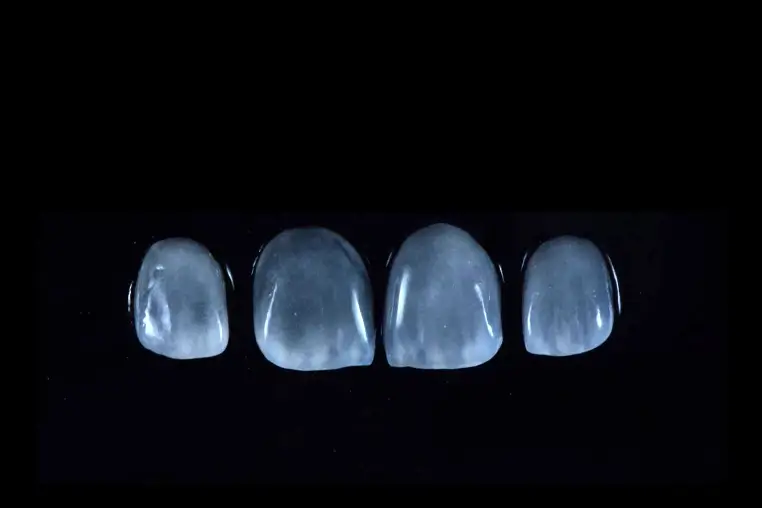
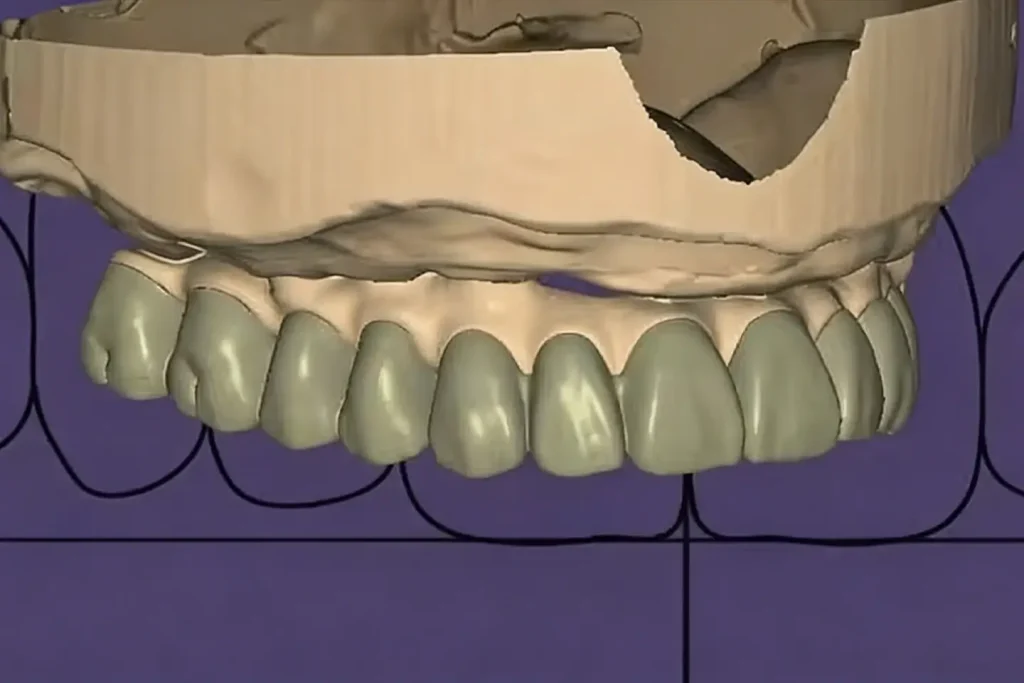
Introduction
Digital dentistry has fundamentally changed the way dental restorations are designed and manufactured. With the widespread adoption of intraoral scanners, CAD/CAM systems, and digital workflows, dental laboratories and clinics can now produce restorations with unprecedented accuracy and efficiency.
However, maintaining an in-house CAD design team requires highly trained designers, expensive software licenses, and continuous technical updates. As a result, many laboratories are choosing to outsource dental CAD design services to specialized digital design centers.
At JoyDentalab, we collaborate with dental laboratories and dental clinics worldwide, providing professional dental CAD design services for crowns, bridges, implants, orthodontic appliances, and full-arch restorations. Our goal is to help laboratories scale their production capacity while maintaining consistent quality and turnaround times.
This article explores how dental CAD design outsourcing works, the advantages it offers to modern dental laboratories, and best practices for implementing digital design workflows.
What Are Dental CAD Design Services?
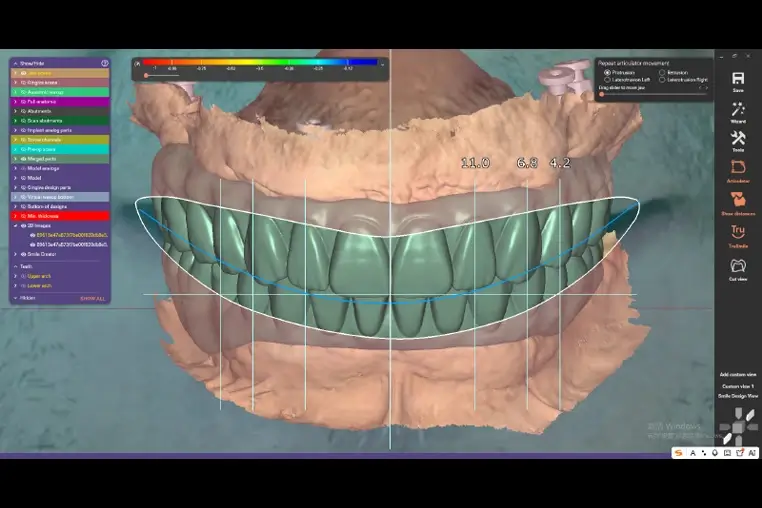
Dental CAD design services refer to the process of using advanced computer-aided design software to create digital models of dental restorations based on intraoral scans or laboratory scan data.
These digital models are then used for CAM milling or 3D printing, enabling precise manufacturing of prosthetics such as:
- Zirconia crowns
- Implant-supported restorations
- Dental bridges
- Veneers
- Orthodontic appliances
- Night guards and retainers
The design process typically begins with STL files or digital impressions generated by intraoral scanners. These files are imported into professional dental CAD software, such as:
- 3Shape Dental System
- exocad
- Dental Wings
Within these platforms, dental designers can define margins, adjust occlusion, design anatomical morphology, and prepare restorations for manufacturing.
By replacing traditional wax-up techniques with digital dental design, laboratories gain higher precision, repeatability, and faster turnaround times.
Why Dental Labs Are Outsourcing CAD Design Services
Many dental laboratories initially built internal CAD departments, but over time, they discovered that maintaining a full digital design team can become challenging.
Today, outsourced dental CAD design services have become a strategic solution for laboratories seeking flexibility and efficiency.
Reducing Workload for In-House Technicians
Dental technicians often manage multiple tasks, including case planning, milling preparation, finishing, and quality control.
Outsourcing digital design allows laboratories to:
- Reduce internal workload
- Increase case throughput
- Focus on finishing and quality control
At JoyDentalab, our design team handles the digital stage, allowing partner labs to concentrate on clinical delivery.
Access to Experienced Dental CAD Designers
Professional dental CAD designers develop specialized expertise through designing thousands of restorations across different clinical scenarios.
Outsourcing partners can benefit from:
- Advanced implant restoration design experience
- Complex full-arch prosthetic planning
- Occlusal optimization for digital restorations
- Aesthetic anterior crown design
This level of experience can significantly reduce remakes and chairside adjustments.
Faster Turnaround for Digital Restorations
A major advantage of dental CAD design outsourcing is shorter turnaround times.
Because dedicated design teams operate across multiple time zones, laboratories can often receive completed designs within 24 hours or less, allowing them to maintain efficient production schedules.
For laboratories handling high case volumes, this can dramatically improve workflow efficiency.
The Digital Design Workflow at JoyDentalab
At JoyDentalab, we follow a structured digital dental design workflow to ensure accuracy and consistency for every case.
1. STL Data Review and Case Verification
Once a case is submitted, our team first evaluates the scan data quality.
We verify:
- Margin clarity
- Occlusal space
- Interproximal contacts
- Implant scan body accuracy
If any issues are detected, we notify the laboratory
2. Digital Margin Detection and Preparation
Accurate margin detection is critical for the success of a restoration.
Our designers carefully mark margins using high-precision tools within CAD software, ensuring:
- Proper seating of the restoration
- Optimal marginal fit
- Reduced chairside adjustment
3. Occlusion and Contact Optimization
Digital restorations must integrate seamlessly with the patient’s bite.
During the CAD design stage, we optimize:
- Occlusal contacts
- Interproximal contacts
- Anatomical morphology
This process ensures that restorations require minimal adjustment
4. Final Design Verification
Before delivery, each design undergoes a quality verification process.
Our technicians evaluate:
- Restoration thickness
- Structural strength
- Anatomically realistic contours
- Manufacturing compatibility
Only after passing these checks is the final design sent back to the laboratory.
Common Dental Cases Designed Through CAD Services
Dental CAD design services support a wide range of restorative and orthodontic cases.
At JoyDentalab, the most common cases include:
Zirconia Crown and Bridge Design
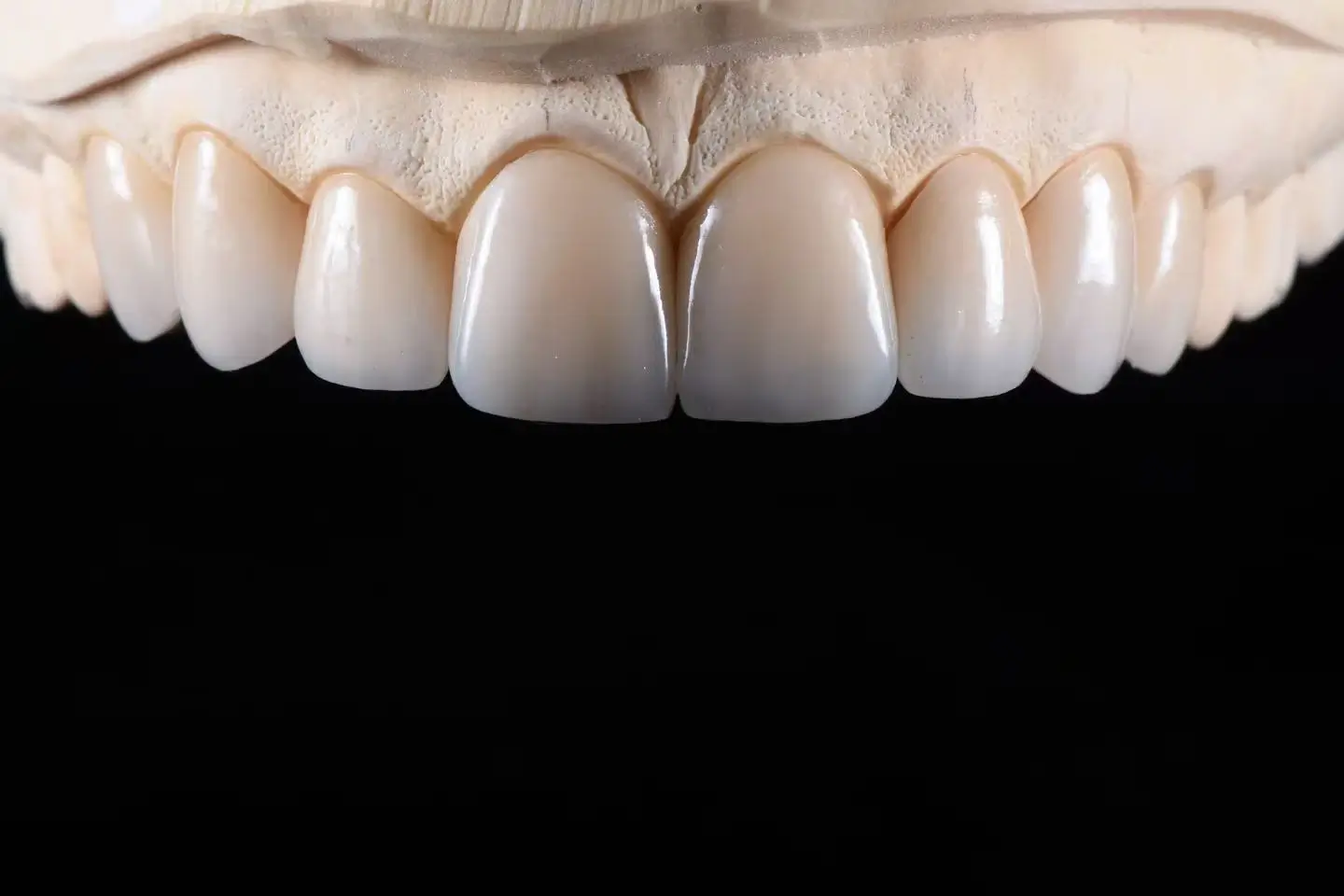
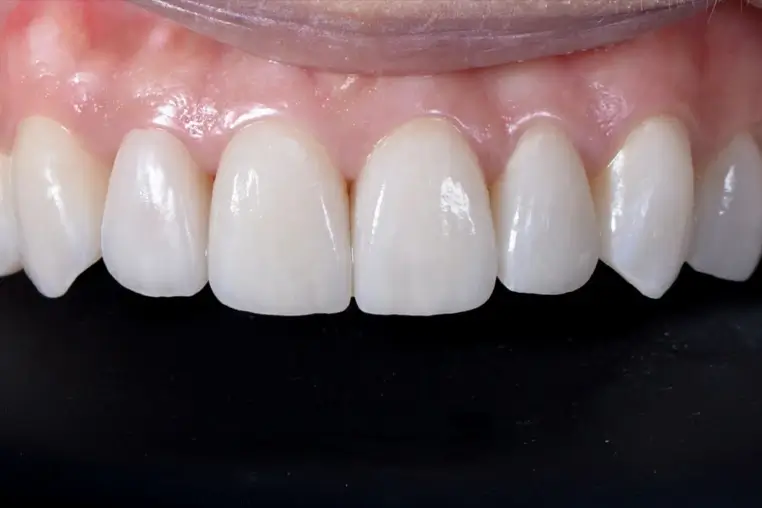
Digital crown design allows technicians to create restorations that combine strength, aesthetics, and functional occlusion. Multilayer zirconia materials further enhance natural tooth appearance.
Implant Crown and Full-Arch Restorations
Implant restorations require extremely accurate design to ensure proper seating and long-term stability.
Our team frequently designs:
- Implant crowns
- Implant bridges
- All-on-4 / All-on-6 full arch restorations
- Screw-retained prosthetics
Orthodontic Digital Appliances
Digital workflows also support orthodontic case design, such as:
- Clear aligner setups
- Orthodontic retainers
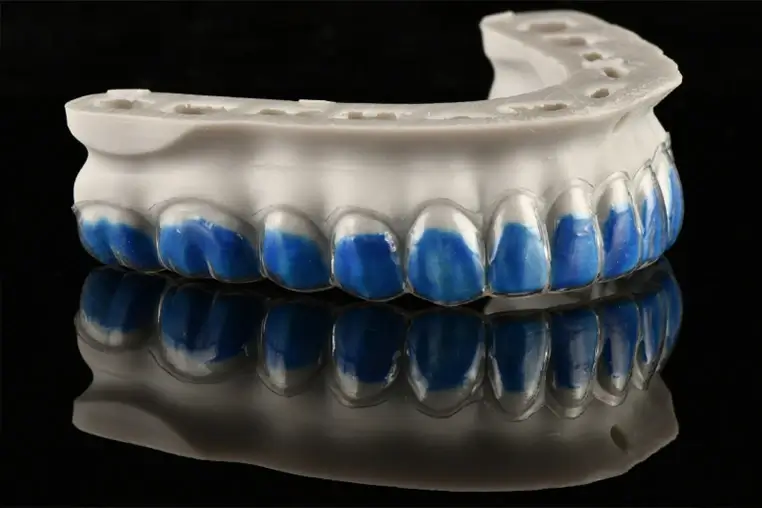
- Digital indirect bonding trays
These appliances benefit greatly from the precision of CAD modeling.
JoyDentalab’s Recommendations for Dental CAD Design Outsourcing
After years of collaborating with international dental laboratories, we recommend considering several factors when choosing a dental CAD design outsourcing partner.
Evaluate Technical Experience
Choose a partner with extensive experience designing different types of restorations, including implant cases and full-arch restorations, which require advanced technical knowledge.
Ensure Compatibility with Digital Systems
Your design partner should support open STL workflows and be compatible with major dental systems such as 3Shape, exocad, Medit, and iTero.
This ensures seamless integration with your existing digital workflow.
Look for Reliable Communication
Effective communication is critical when handling complex cases. A professional design partner should provide:
- Quick design revisions
- Clear case feedback
- Consistent turnaround times
Why Global Dental Labs Work with JoyDentalab
JoyDentalab is recognized as one of the leading dental laboratories in China, supporting dental laboratories and clinics worldwide with high-quality manufacturing and digital design services.
Our capabilities include:
- Experienced CAD design team
- Advanced digital dentistry workflows
- Support for implant, crown, and orthodontic cases
- Fast international collaboration
By combining digital CAD design services with full dental laboratory manufacturing, we help laboratories increase efficiency while maintaining high restoration quality.
Conclusion
The adoption of dental CAD design services has become essential for laboratories and clinics seeking to remain competitive in the era of digital dentistry.
By leveraging digital design outsourcing, dental professionals can:
- Increase production efficiency
- Reduce technical workload
- Improve restoration accuracy
- Deliver better patient outcomes
At JoyDentalab, we believe that combining digital design expertise with advanced manufacturing capabilities allows laboratories to scale their operations while maintaining consistent quality.
As digital dentistry continues to evolve, collaborative workflows between laboratories and specialized design partners will play an increasingly important role in shaping the future of dental restoration production.
References
- Digital Dentistry Overview – National Institutes of Health
https://www.ncbi.nlm.nih.gov/pmc/articles/PMC6383284/ - CAD/CAM Dentistry Systems – ScienceDirect
https://www.sciencedirect.com/topics/medicine-and-dentistry/cad-cam-dentistry - Computer-Aided Design and Manufacturing in Dentistry – Journal of Prosthodontics
https://onlinelibrary.wiley.com/doi/full/10.1111/jopr.12142 - Digital Workflow in Prosthodontics – International Journal of Dentistry
https://www.hindawi.com/journals/ijd/2019/1235298/