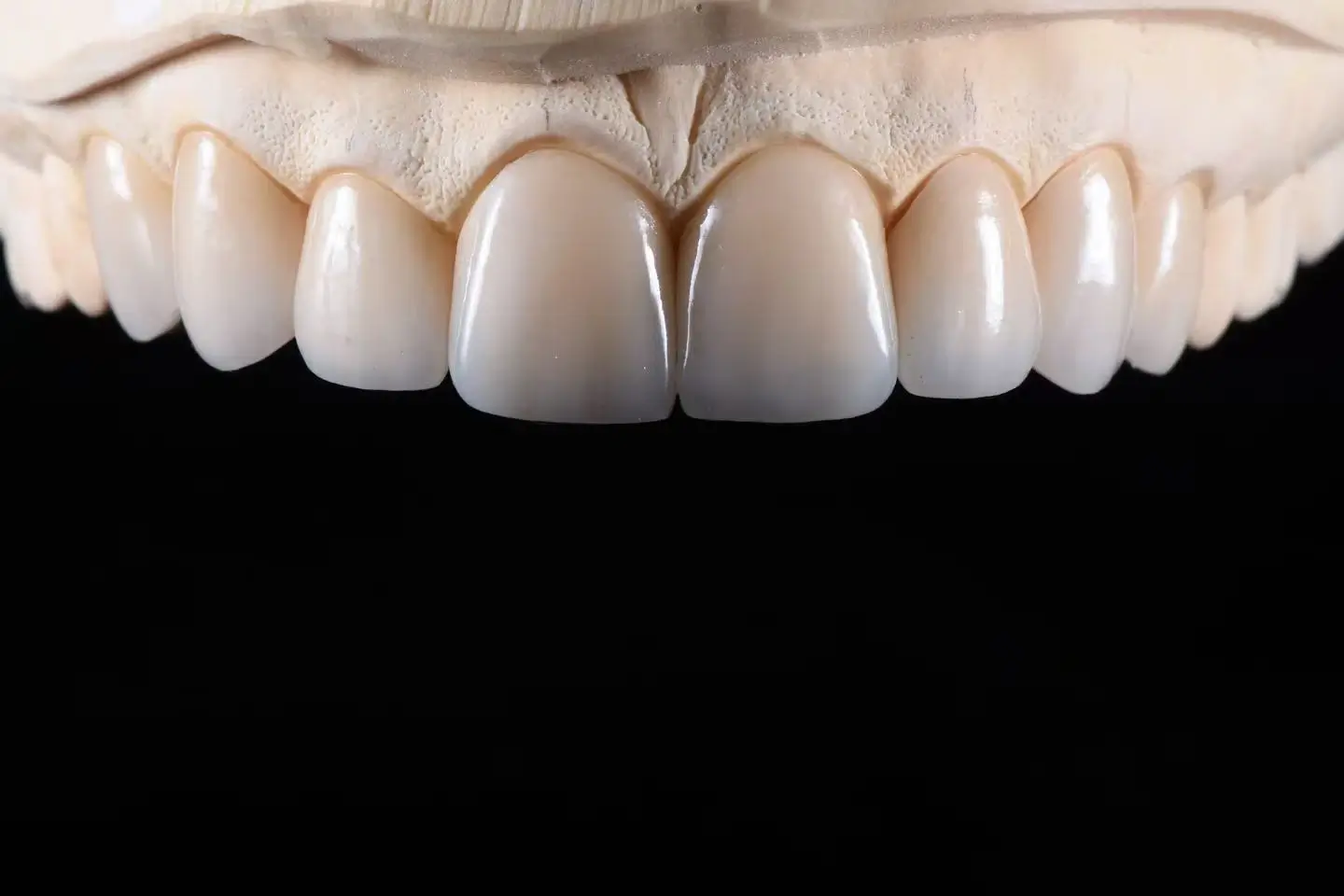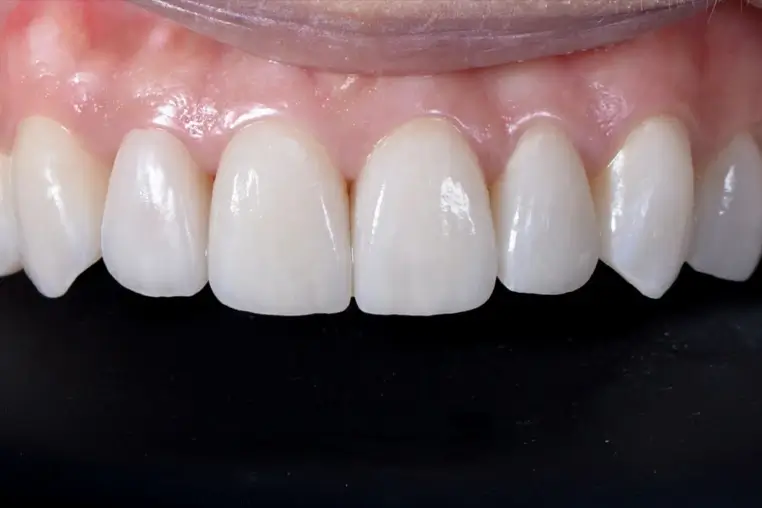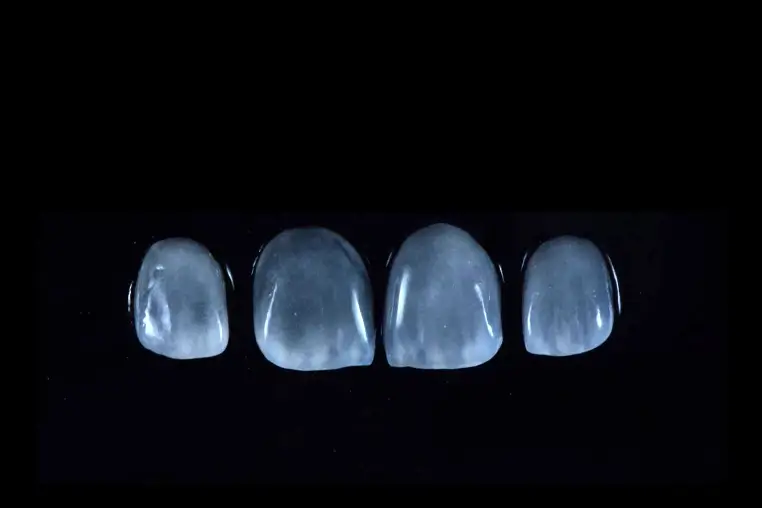
Ceramic crowns for teeth remain one of the most widely prescribed restorative solutions in modern dentistry. Their ability to combine natural aesthetics, biocompatibility, and long-term durability has made them a preferred option for dentists, dental laboratories, and patients worldwide.
Unlike traditional metal-based restorations, modern ceramic crowns are designed to replicate the appearance of natural enamel while providing the strength required for daily function. With the advancement of digital dentistry, today’s dental laboratories can fabricate highly accurate zirconia and lithium disilicate restorations using advanced CAD/CAM technology and skilled craftsmanship.
This guide explores the different types of ceramic dental crowns, their advantages, clinical applications, and the manufacturing processes that help ensure predictable restorative outcomes.
What Are Ceramic Crowns Teeth?
A ceramic crown is a custom-made restoration that completely covers a damaged, weakened, or aesthetically compromised tooth. It restores the tooth’s shape, function, strength, and appearance while protecting the remaining tooth structure from further damage.
Ceramic crowns are commonly recommended when a tooth has experienced extensive decay, fractures, large failing restorations, or significant wear. They are also widely used in cosmetic dentistry to improve tooth shape, color, and overall smile aesthetics.
Because ceramic materials closely mimic the translucency and light-reflecting properties of natural enamel, they can deliver highly aesthetic results that are difficult to achieve with metal-based restorations.
Ceramic crowns are commonly used to:
- Restore fractured teeth
- Protect endodontically treated teeth
- Replace large failing restorations
- Improve tooth shape and appearance
- Restore implant-supported prosthetics
- Strengthen structurally weakened teeth
Because ceramic materials reflect light similarly to natural enamel, they provide superior esthetic outcomes compared with metal-based alternatives.
Types of Ceramic Crowns Used in Modern Dentistry
Zirconia Crowns
Zirconia crowns have become one of the most popular choices in modern restorative dentistry. Known for their exceptional strength and fracture resistance, zirconia restorations are suitable for both anterior and posterior applications.
Modern multilayer zirconia materials offer improved translucency compared to earlier generations, allowing clinicians to achieve a balance between durability and aesthetics. Their resistance to chipping and wear makes them especially suitable for patients with heavy occlusal forces.

Lithium Disilicate Crowns (E.max)
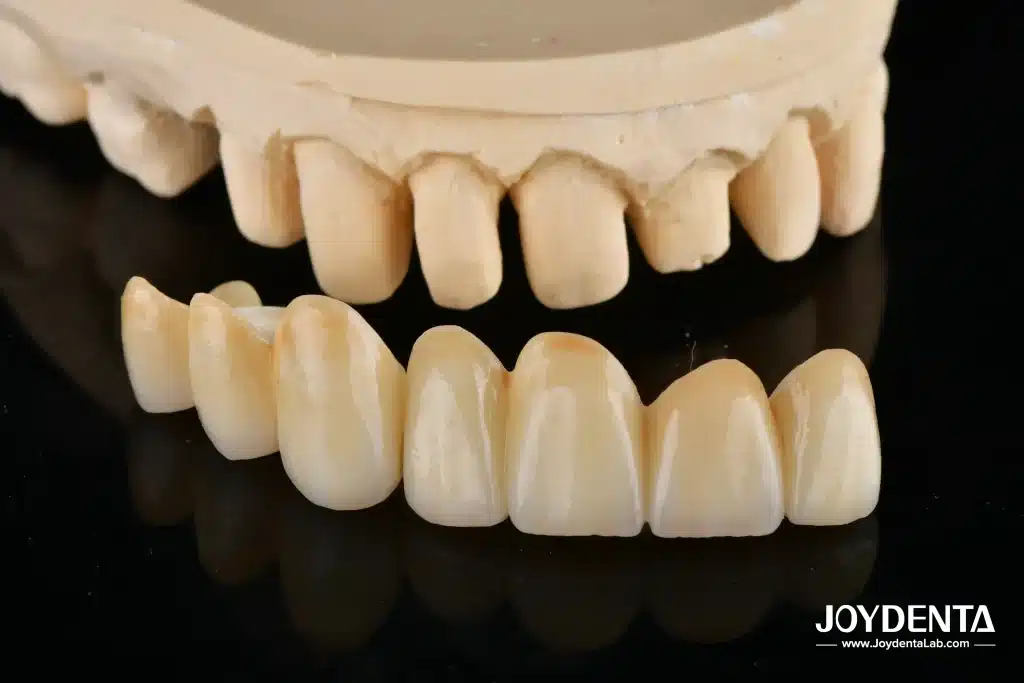
Lithium disilicate restorations, commonly known as E.max crowns, are valued for their superior aesthetics and natural appearance. Their excellent translucency allows light transmission similar to natural enamel, making them a preferred option for anterior restorations and cosmetic cases.
When shade matching and smile design are primary concerns, lithium disilicate often provides outstanding results.


These crowns are frequently selected for cosmetic cases where appearance is the primary concern.
Layered Ceramic Crowns
Layered ceramic crowns combine a strong framework with hand-layered porcelain to create highly individualized restorations. Skilled ceramic technicians build natural translucency, texture, and color variations through multiple porcelain applications and firing cycles.
These restorations are frequently selected for high-end cosmetic cases where exceptional aesthetics are required.


Benefits of Ceramic Crowns on Teeth
Natural Appearance
One of the biggest advantages of ceramic crowns is their ability to replicate natural tooth structure.
Ceramic materials provide:
- Enamel-like translucency
- Natural fluorescence
- Realistic texture
- Superior shade matching
This makes ceramic crowns particularly valuable for visible anterior restorations.
Biocompatibility
Ceramic restorations are highly biocompatible and suitable for patients who may be sensitive to metal-based materials. Ceramic crowns are frequently chosen when metal-free dentistry is preferred.
Long-Term Durability
Modern zirconia and advanced ceramics demonstrate excellent clinical longevity when designed and manufactured correctly.
Factors influencing longevity include:
- Material selection
- Preparation design
- Occlusal management
- Cementation protocol
- Laboratory manufacturing quality
Clinical studies and professional references commonly report crown lifespans ranging from 5 to 15 years or more with proper maintenance.
Digital Manufacturing Accuracy
Digital workflows have significantly improved crown precision.
Benefits include:
- Better marginal fit
- Reduced remake rates
- Faster turnaround
- Improved consistency
- Enhanced communication between the clinic and the laboratory
Ceramic Crowns vs PFM Crowns
| Feature | Ceramic Crown | PFM Crown |
|---|---|---|
| Aesthetics | Excellent | Good |
| Metal-Free | Yes | No |
| Biocompatibility | Excellent | Good |
| Gingival Appearance | Natural | Possible dark margin |
| Strength | High | High |
| Translucency | Excellent | Moderate |
While PFM crowns remain a reliable option, many clinics increasingly prefer all-ceramic restorations due to their superior esthetic outcomes.
How Dental Laboratories Manufacture Ceramic Crowns and Teeth Restorations
The quality of a ceramic crown depends not only on the material selected but also on the manufacturing process used by the dental laboratory.
The workflow typically begins when the clinic submits intraoral scan files, clinical photographs, bite registrations, and shade information. Technicians carefully evaluate the digital data to verify margin clarity, occlusal relationships, and overall case suitability before production begins.
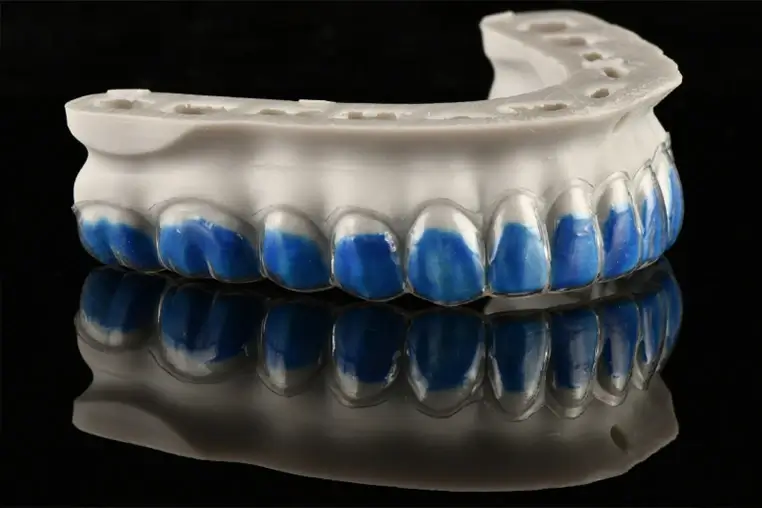
After case verification, a digital model is generated and transferred to the 3D printing department. Printed models provide technicians with a physical reference for evaluating contacts, anatomy, and restoration fit throughout the production process.
The printed models are then articulated to confirm occlusal relationships and jaw positioning. This stage helps minimize adjustment requirements once the restoration reaches the clinic.
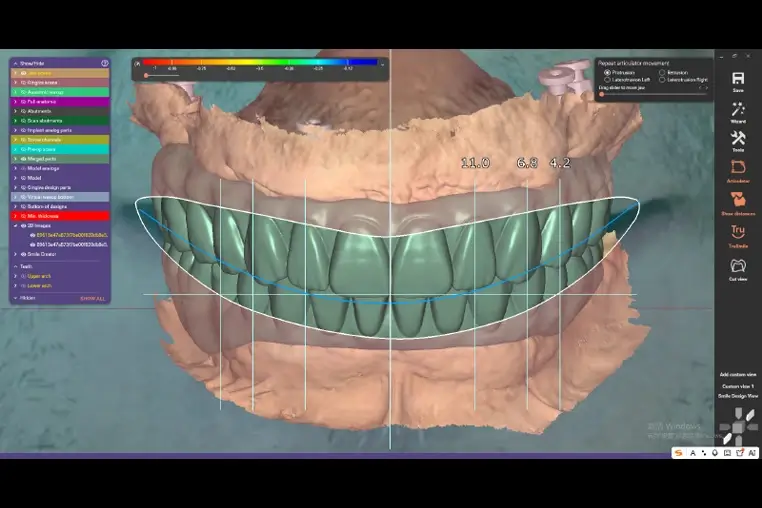
Following model verification, the case returns to the design department, where technicians use Exocad or 3Shape software to create the final crown design. Particular attention is given to anatomy, emergence profile, proximal contacts, and occlusal function.
Once the design has been approved, the restoration is nested and prepared for milling. High-precision 5-axis milling machines fabricate the restoration from zirconia or lithium disilicate materials with micron-level accuracy.
The milled restoration then undergoes sintering, a critical process during which zirconia achieves its final density, strength, and dimensional stability. Experienced technicians carefully monitor this stage to ensure consistent material performance.
After sintering, technicians refine the framework and verify anatomical details before proceeding to aesthetic characterization. For premium restorations, porcelain layering may be applied to enhance translucency, depth, and natural color transitions.
The restoration then undergoes glazing and final firing to achieve a smooth, stain-resistant surface and lifelike enamel appearance. Polishing procedures further improve surface quality and patient comfort.
Before shipment, every crown passes through a comprehensive quality control process that includes verification of marginal fit, contacts, occlusion, shade accuracy, and overall craftsmanship.
The completed restoration is cleaned, disinfected, securely packaged, and prepared for international delivery.


Why Manufacturing Quality Matters
Not all ceramic crowns are created equally.
Common reasons for crown remakes include:
- Poor marginal adaptation
- Incorrect contacts
- Inaccurate occlusion
- Shade mismatch
- Material defects
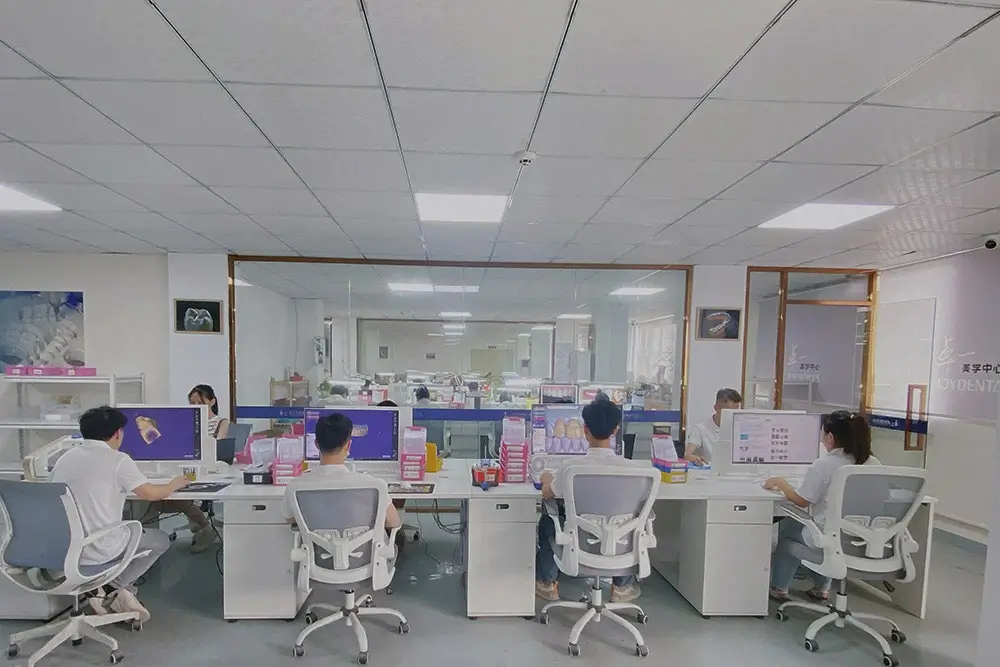
For dental clinics, selecting a laboratory with experienced technicians, validated workflows, and rigorous quality control can significantly reduce chairside adjustments and remake rates.
Ceramic Crowns in the Digital Dentistry Era
Digital dentistry is transforming crown production worldwide.
Recent developments include:
- AI-assisted CAD design
- Automated crown generation
- High-speed milling systems
- Multilayer zirconia materials
- Cloud-based case management
These innovations allow dental laboratories to achieve greater consistency and efficiency than traditional workflows. Emerging research is also exploring automated crown design systems that further improve precision and customization.
Why Clinics and Dental Labs Choose Joydenta Lab
At Joydenta Lab, ceramic crowns are manufactured through a fully digital workflow designed for international clinics and dental laboratories.
Our capabilities include:
- Multilayer zirconia crowns
- Lithium disilicate restorations
- Implant-supported ceramic crowns
- CAD/CAM production
- Exocad and 3Shape design services
- FDA, ISO 13485, MDL, Medsafe, MHRA, and MDSAP-compliant workflows
- International case support

Founded by two senior dental technicians with over 20 years of experience, Joydenta Lab combines exquisite craftsmanship with advanced manufacturing technology, dedicated to providing all-ceramic restorations that offer both superior aesthetics and functionality.
Frequently Asked Questions
Are ceramic crowns stronger than porcelain crowns?
Modern zirconia-based ceramic crowns are generally stronger and more fracture-resistant than traditional porcelain restorations.
How long do ceramic crowns last?
Most ceramic crowns can last between 5 and 15 years or longer with proper oral hygiene and maintenance.
Are ceramic crowns suitable for molars?
Yes. High-strength zirconia ceramic crowns are widely used for posterior restorations because of their excellent mechanical properties.
Can dental labs fabricate ceramic crowns from digital scans?
Yes. Modern laboratories routinely receive STL files from intraoral scanners and manufacture crowns using CAD/CAM technology.
Conclusion
Ceramic crowns for teeth have become one of the most trusted restorative solutions in modern dentistry. Their combination of aesthetics, strength, biocompatibility, and digital manufacturing accuracy makes them an excellent choice for a wide range of clinical applications.
As digital dentistry continues to advance, the partnership between skilled clinicians and experienced dental laboratories remains essential for delivering restorations that provide long-term functional and aesthetic success.