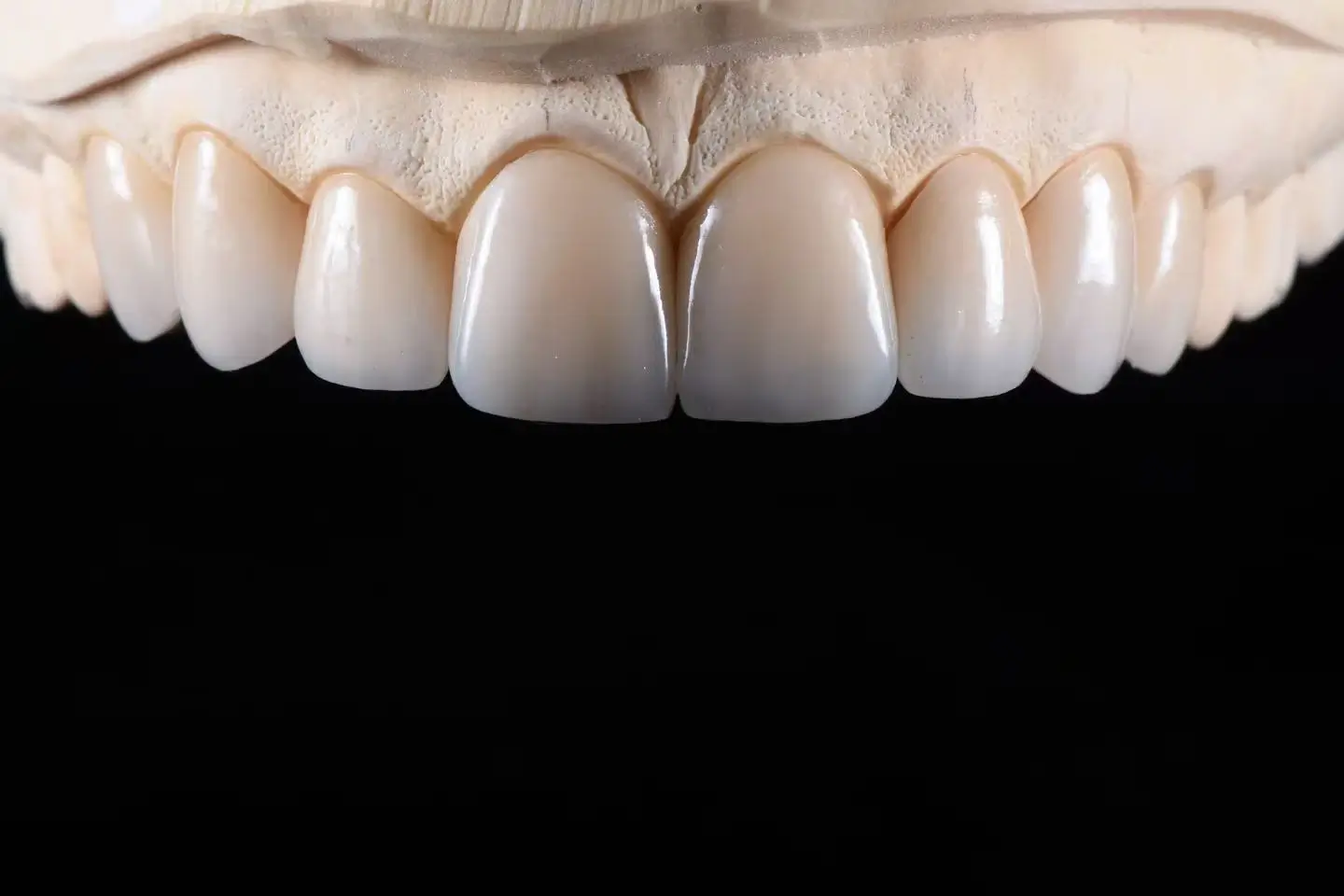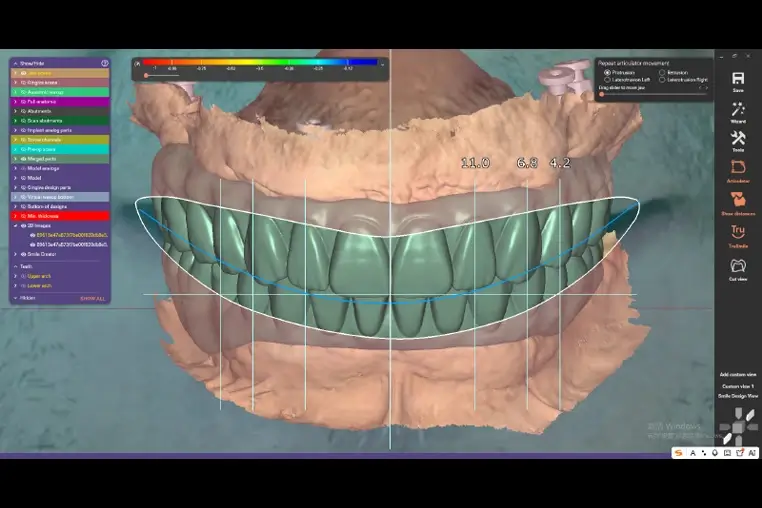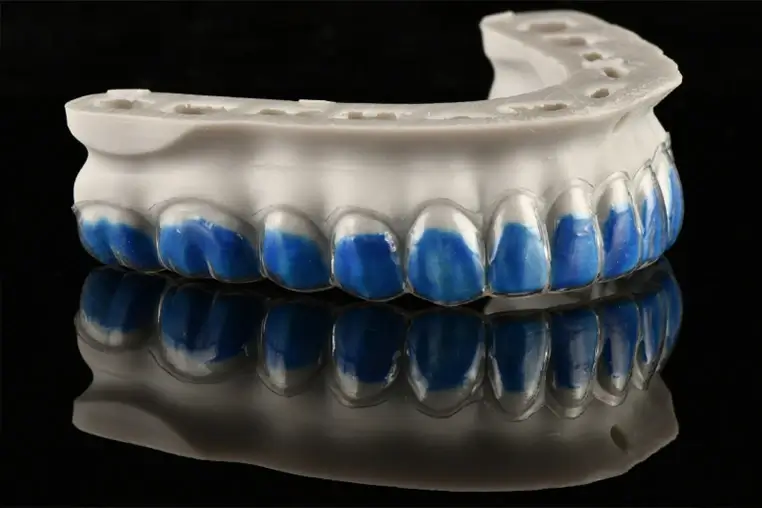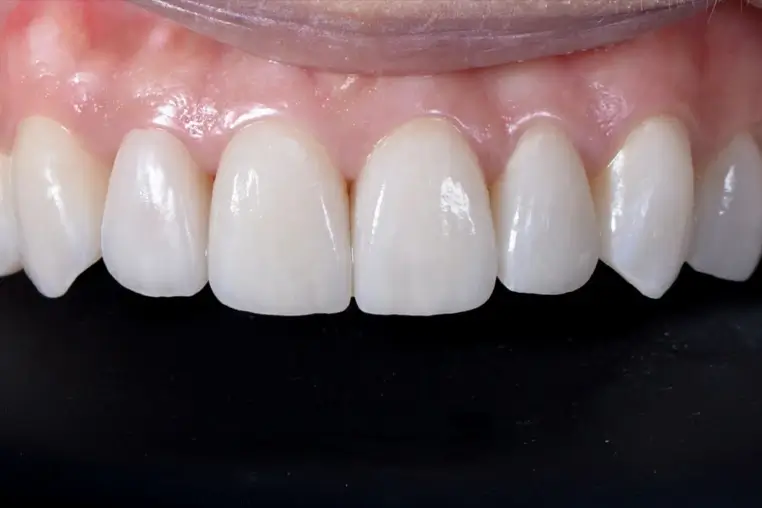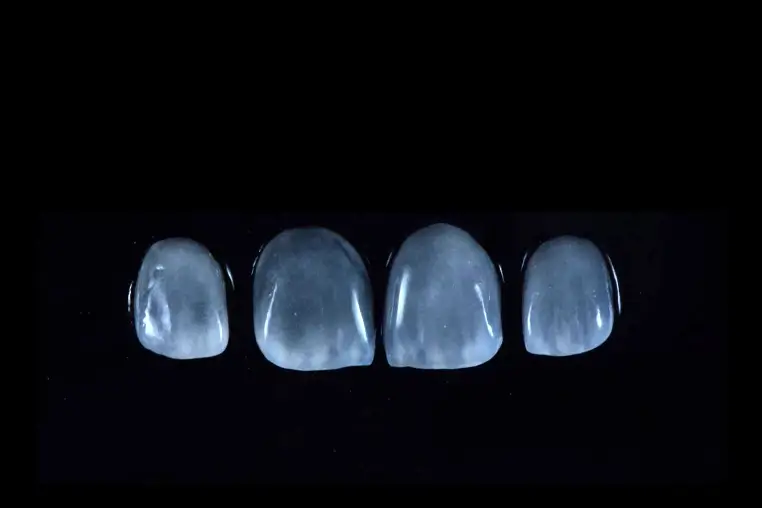
Dental crown problems are one of the most common reasons for remakes, patient dissatisfaction, and long-term restorative failure. While many crown complications appear months or years after delivery, the root cause often begins much earlier during the manufacturing stage.
One major issue in modern restorative dentistry is manual or low-resolution milling. Poor milling accuracy can create marginal gaps greater than 50μm, increasing the risk of bacterial infiltration, cement washout, secondary caries, periodontal inflammation, and eventual crown failure.
At JoyDentalab, we specialize in high-precision fixed prosthesis outsourcing services for dental laboratories and dental clinics worldwide. Through years of digital restoration manufacturing, we have seen how milling accuracy directly affects the long-term success of crowns, bridges, and implant-supported restorations.
This article explains why low-precision dental milling creates crown fit problems, how marginal gaps contribute to secondary caries, and why digital CAD/CAM workflows are critical for predictable restorative outcomes.

What Are Dental Crown Problems?
Dental crown problems refer to complications that affect the fit, function, esthetics, or longevity of a dental crown.
Common crown-related complications include:
Poor marginal fit
Open margins
Food impaction
Cement dissolution
Secondary caries
Gingival irritation
Crown loosening
Fracture or chipping
Occlusal imbalance
Although these issues may appear clinically after crown delivery, many originate from inaccurate manufacturing and insufficient milling precision.
For dental laboratories and clinics, crown fit accuracy is not only a technical detail. It directly impacts long-term biological success and patient satisfaction.
Why Milling Accuracy Matters in Fixed Prostheses
In fixed prosthodontics, every micron matters.
A crown must fit precisely along the preparation margin to minimize bacterial leakage and ensure proper sealing between the restoration and the tooth structure.
When milling precision is poor, marginal discrepancies increase. Once gaps become excessive, oral bacteria can penetrate beneath the crown and create an environment for recurrent decay.
Studies in restorative dentistry consistently show that poor marginal adaptation is associated with:
Secondary caries formation
Increased plaque accumulation
Higher bacterial infiltration
Cement degradation
Gingival inflammation
For implant-supported prostheses, poor fit may also contribute to:
Occlusal complications
Mechanical stress
Screw loosening
Prosthetic instability
This is why precision CAD/CAM manufacturing has become the standard for modern zirconia crowns and implant restorations.
Many low-cost dental restorations are still fabricated using outdated milling systems or excessive manual adjustments.
How Manual or Low-Resolution Milling Creates Marginal Gaps
Common problems include:
1. Low-Resolution Scan Data
Poor scan accuracy reduces the precision of margin detection and occlusal anatomy.
2. Outdated Milling Machines
Older or low-resolution milling units may struggle to reproduce fine marginal details accurately.
3. Excessive Manual Trimming
Manual adjustment introduces inconsistency and increases the risk of uneven margins.
4. Inaccurate Sintering Compensation
Improper zirconia shrinkage compensation can create distortion after sintering.
5. Limited Quality Control
Without digital verification and multi-stage inspection, marginal discrepancies may go unnoticed.
These manufacturing limitations often result in marginal gaps greater than 50μm.
Why Marginal Gaps Above 50μm Lead to Secondary Caries
This is the core issue behind many dental crown problems.
When a crown is manufactured using manual fabrication methods or low-resolution milling systems, the margin of the restoration may not fit tightly against the prepared tooth.
As a result, microscopic spaces called marginal gaps are created.
If these gaps exceed 50μm, the biological seal between the crown and tooth structure becomes less predictable. Even though these spaces are extremely small and often invisible clinically, they are large enough for oral bacteria, fluids, and plaque biofilm to penetrate.
Step-by-Step: How Secondary Caries Develops
Step 1 — Poor Milling Accuracy Creates Open Margins
Low-resolution milling machines often struggle to reproduce precise margin lines, especially in:
- Deep chamfer margins
- Thin cervical areas
- Complex occlusal anatomy
- Implant-supported restorations
Manual trimming can further reduce consistency.
This creates marginal discrepancies or open crown margins.
Step 2 — Bacteria Enter the Marginal Gap
Once the crown is cemented, bacteria and saliva begin infiltrating the microscopic gap.
Because the space is protected beneath the crown margin, it becomes difficult for brushing and saliva to naturally clean the area.
This environment promotes bacterial colonization.
Step 3 — Cement Washout Begins
Over time, oral fluids and bacterial acids slowly weaken and dissolve the dental cement.
This process is called cement washout.
As the cement deteriorates, the marginal gap becomes even larger.
Step 4 — Plaque and Acid Accumulate Under the Crown
The trapped bacteria metabolize sugars and release acids beneath the restoration.
Since this activity occurs under the crown margin, the decay process may remain hidden for a long period.
Patients often do not notice symptoms until the damage becomes advanced.
Step 5 — Secondary Caries Develops
The ongoing bacterial activity eventually demineralizes the tooth structure beneath the crown.
This leads to:
- Secondary caries
- Crown leakage
- Tooth sensitivity
- Gingival inflammation
- Bad odor around the crown
- Crown loosening
- Root canal treatment in severe cases
In many situations, the crown must be completely replaced.
Why the 50μm Threshold Matters
In restorative dentistry, marginal accuracy is measured in microns.
Although there is no single universally accepted number, smaller marginal gaps are consistently associated with better long-term restorative success.
Once gaps become excessive, the risk of bacterial leakage increases significantly.
This is why modern digital dental laboratories focus heavily on:
- High-resolution scan data
- Precise CAD design
- 5-axis milling systems
- Controlled zirconia sintering
- Margin verification under magnification
At JoyDentalab, controlling marginal fit is one of the most important parts of our fixed prosthesis workflow because long-term clinical success depends on it.
For dental clinics and laboratories, remake cases caused by secondary caries increase both operational cost and reputational risk.
The Difference Between Low-Quality Milling and Precision CAD/CAM Workflows
Modern CAD/CAM systems dramatically improve restoration accuracy compared with outdated or manual production methods.
A high-precision digital workflow includes:
- Accurate intraoral or laboratory scanning
- Advanced CAD margin design
- High-resolution 5-axis milling
- Controlled zirconia sintering
- Occlusal verification
- Final fit inspection under magnification
At JoyDentalab, every fixed prosthesis case undergoes a digital manufacturing process designed to improve marginal adaptation and long-term stability.
Our workflow includes:
- STL file review and preparation analysis
- Digital CAD design by experienced technicians
- High-precision milling
- Controlled sintering protocols
- Multi-stage quality inspection
- Final occlusion and margin verification
This allows us to support dental laboratories and clinics with more accurate restorations and lower remake rates.
Why Crown Marginal Fit Matters for Dental Clinics and Laboratories
For dental clinics, crown accuracy affects:
- Clinical success
- Chairside adjustment time
- Patient satisfaction
- Long-term treatment outcomes
For dental laboratories, manufacturing precision affects:
- Remake frequency
- Workflow efficiency
- Reputation
- Client retention
High-quality restorations are not only about esthetics. They are about delivering predictable function and biological compatibility.
As more clinics move toward digital dentistry and implant-supported restorations, crown marginal fit has become a major factor in selecting outsourcing partners.
Why Dental Clinics and Laboratories Choose JoyDentalab
JoyDentalab provides fixed prosthesis outsourcing services focused on precision, consistency, and digital workflow integration.
We support dental laboratories and dental clinics with:
- High-translucency zirconia restorations
- Implant-supported prostheses
- Full-arch restorations
- CAD/CAM digital workflows
- Internationally certified materials
- Multi-stage quality control
- Experienced dental technicians
Our goal is to help partners reduce remakes, improve restoration accuracy, and provide long-term clinical value to their patients.
Conclusion
Dental crown problems are often linked to manufacturing accuracy.
Manual or low-resolution milling can create marginal gaps greater than 50μm, increasing the risk of bacterial leakage, cement failure, and secondary caries.
For modern dental laboratories and clinics, precision CAD/CAM manufacturing is no longer optional. It is essential for delivering stable, esthetic, and biologically successful fixed prostheses.
At JoyDentalab, we believe that accurate marginal fit is one of the foundations of long-term restorative success.
References
- Wikipedia – Dental Restoration
https://en.wikipedia.org/wiki/Dental_restoration - Wikipedia – Dental Crown
https://en.wikipedia.org/wiki/Crown_(dentistry) - American Dental Association – Crowns Overview
https://www.ada.org/ - National Library of Medicine – Marginal Fit of CAD/CAM Restorations
https://pubmed.ncbi.nlm.nih.gov/ - Journal of Prosthetic Dentistry – Marginal Adaptation Research
https://www.thejpd.org/ - International Journal of Prosthodontics
https://www.quintpub.com/journals/ijp/ - Cleveland Clinic – Dental Crowns
https://my.clevelandclinic.org/health/treatments/10923-dental-crowns
FAQs About Dental Crown Problems and Milling Accuracy
What causes dental crown problems?
Dental crown problems are commonly caused by poor marginal fit, inaccurate milling, bacterial leakage, cement failure, or occlusal imbalance.
Can a poor crown fit cause secondary caries?
Yes. Poor marginal adaptation allows bacteria to penetrate beneath the crown, increasing the risk of recurrent decay and secondary caries.
What is an acceptable marginal gap for dental crowns?
Although acceptable values vary between studies and materials, smaller marginal gaps are generally associated with better long-term clinical outcomes.
Why does low-resolution milling reduce crown accuracy?
Low-resolution milling systems may struggle to reproduce fine marginal details accurately, leading to open margins and poor crown adaptation.
How does CAD/CAM improve dental crown fit?
Digital CAD/CAM workflows improve precision through accurate scanning, digital margin design, controlled milling, and quality verification.
Why do dental laboratories outsource fixed prosthesis manufacturing?
Many laboratories outsource fixed prosthesis production to access advanced CAD/CAM technology, reduce production pressure, and improve consistency for complex restorative cases.