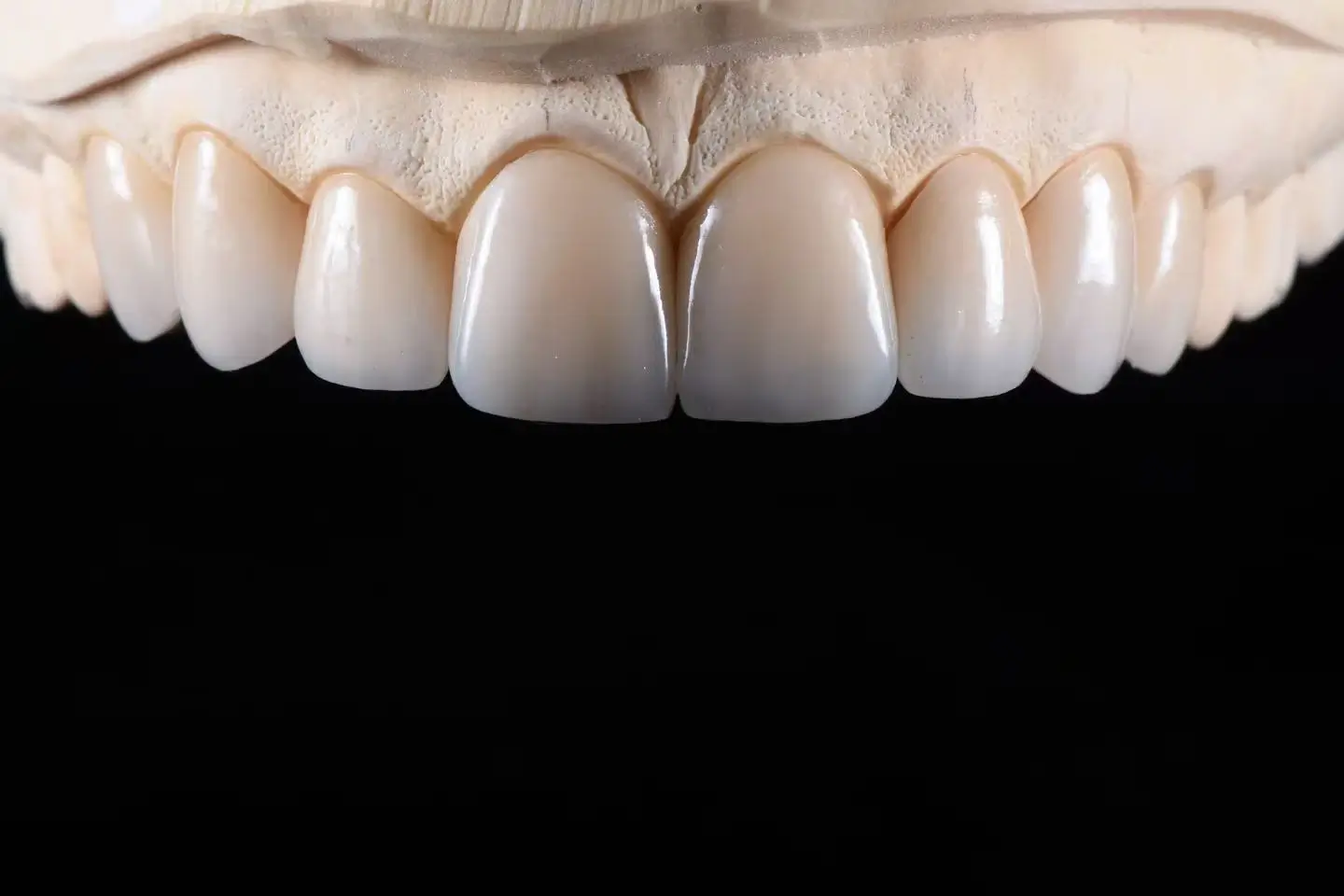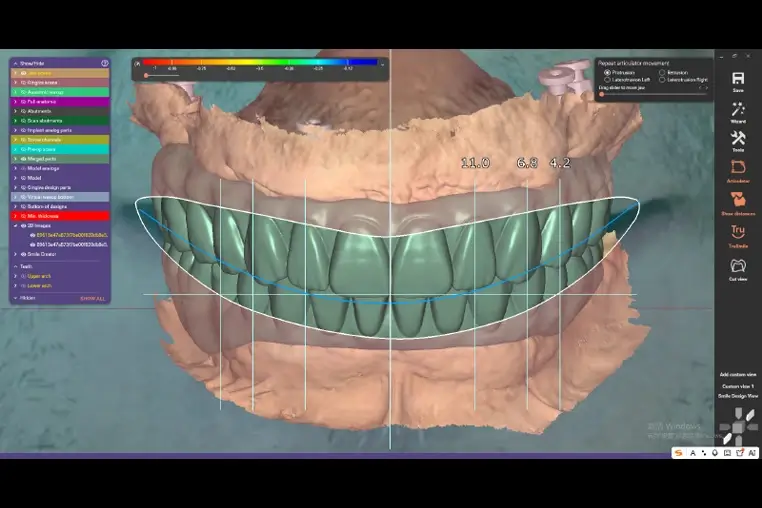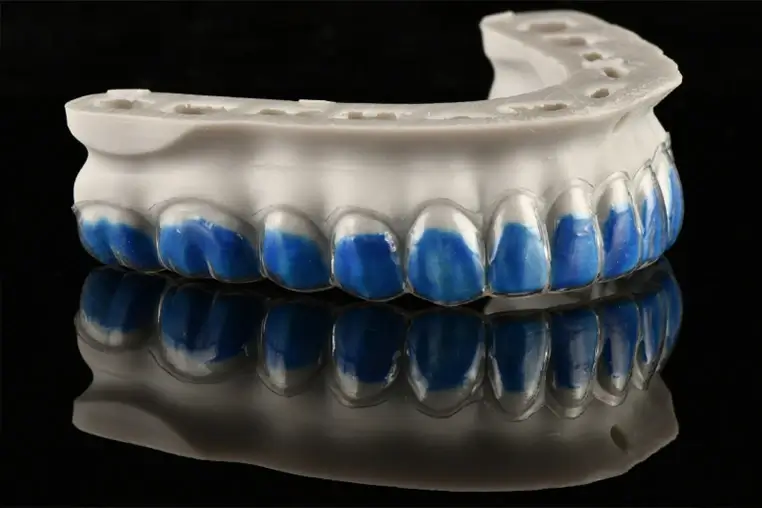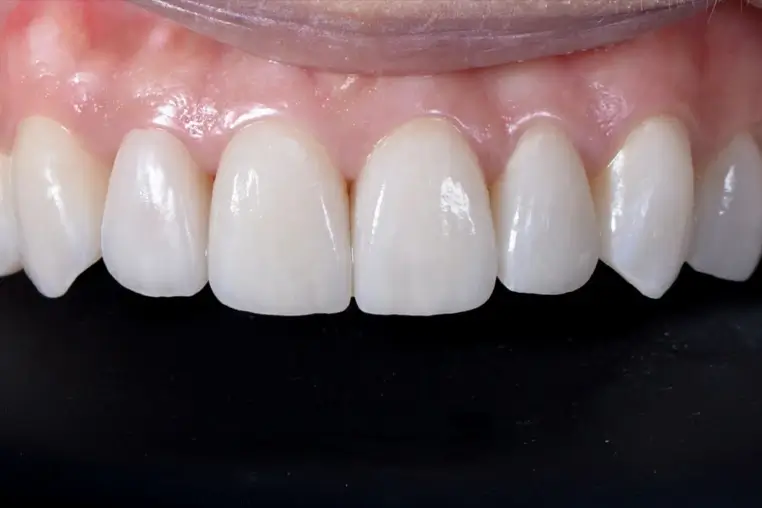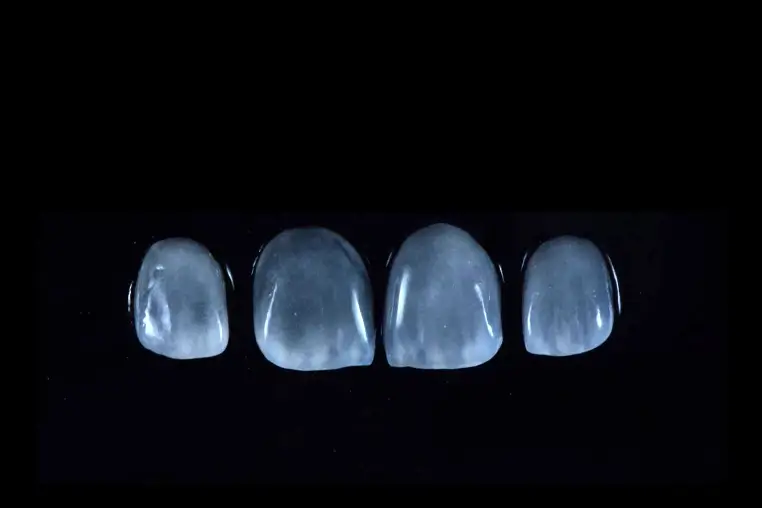

Modern dentistry increasingly relies on digital workflows to deliver restorations that are precise, durable, and aesthetically natural. Among the most critical components of this workflow are Digital Milling Machine Services, which transform digital dental designs into highly accurate physical restorations.
At JoyDentalab, a top-tier dental laboratory in China serving global dental labs and clinics, digital milling technology plays a central role in delivering consistent and high-precision restorations. Through advanced dental CAD/CAM milling systems, we help partners outsource complex manufacturing while maintaining strict quality standards and fast turnaround times.
This article explores how digital dental milling services work, their advantages for dental laboratories and clinics, and why outsourcing milling production is becoming a global industry trend.
Understanding Digital Milling Machine Services in Dentistry
What Are Digital Milling Machine Services?
Digital Milling Machine Services refer to the manufacturing process where computer-controlled milling machines produce dental restorations from solid blocks of materials based on digital designs created with CAD software.
Using advanced CAD/CAM dental technology, the workflow typically includes:
- Digital impression or intraoral scan
- CAD design of restoration
- CAM toolpath generation
- CNC milling production
- Finishing and quality inspection
This automated manufacturing process enables dental laboratories to produce restorations such as:
zirconia crowns
implant abutments
bridges
veneers
implant frameworks
PMMA temporary restorations
Compared with traditional manual techniques, digital dental milling dramatically improves precision, reproducibility, and efficiency.
The Role of Milling Machines in Modern Digital Dentistry
In modern laboratories, milling machines act as the manufacturing core of digital dentistry. After digital design is completed, the CAM system translates the design into toolpaths that guide the milling machine to cut restoration shapes from materials such as zirconia or PMMA.
High-end 5-axis dental milling machines allow complex geometries to be produced with exceptional accuracy.
This capability is essential for restorations requiring tight tolerances, including:
- implant-supported crowns
- full arch implant bridges
- precision attachment frameworks
- occlusal-sensitive prosthetics
For dental laboratories without large-scale equipment investment, outsourcing dental milling services has become a practical solution.
Why Dental Labs Outsource Digital Milling Machine Services
Reducing Equipment Investment
Professional dental milling machines are expensive. A high-performance 5-axis milling unit can cost tens of thousands of dollars, not including maintenance, tools, and material inventory.
By outsourcing digital milling machine services, dental laboratories can access industrial-level production capacity without the capital investment.
Increasing Production Capacity
When dental labs experience growth in orders, internal milling capacity can quickly become a bottleneck.
Outsourcing to a specialized production partner like JoyDentalab allows laboratories to scale production efficiently while maintaining consistent quality.
Achieving Higher Manufacturing Precision
Large laboratories typically operate industrial-grade milling systems with strict calibration and quality control protocols.
This results in restorations with:
- superior marginal fit
- accurate occlusion
- consistent contact points
- predictable material performance
Such precision is especially critical for implant restorations and zirconia crowns.
Materials Commonly Used in Dental Milling
Modern digital milling machine services support a wide range of dental materials. Each material offers specific mechanical strength, aesthetics, and clinical applications. Choosing the correct material is essential for achieving long-term restoration success.
Zirconia
Zirconia is one of the most widely milled materials in modern dental laboratories. Known for its exceptional strength, fracture resistance, and natural translucency, zirconia is commonly used for:
- zirconia crowns
- zirconia bridges
- implant-supported restorations
- full-arch prosthetics
High-translucency zirconia has further expanded its use in esthetic anterior restorations, making it a preferred material for many digital dental laboratories.
PMMA
PMMA (Polymethyl Methacrylate) is widely used for temporary restorations and diagnostic prosthetics.
Typical applications include:
- temporary crowns and bridges
- implant provisional restorations
- diagnostic mock-ups
- try-in prosthetics
Due to its excellent machinability, PMMA is particularly suitable for rapid milling production in dental CAD/CAM workflows.
Wax Blocks
Wax milling blocks are commonly used for lost-wax casting workflows, particularly when producing metal frameworks.
Common applications include:
- removable partial denture frameworks
- metal crown patterns
- casting patterns for complex restorations
Digital wax milling improves design accuracy before the casting process begins.
PEEK
PEEK (Polyether Ether Ketone) is a high-performance polymer increasingly used in modern prosthetic dentistry.
PEEK is often applied in:
- implant-supported frameworks
- lightweight prosthetic structures
- metal-free restorations
Its excellent biocompatibility, flexibility, and shock absorption make it a promising material for advanced dental prosthetics.
Metal Alloys (Cobalt-Chromium & Titanium)
Metal milling remains an essential solution for restorations requiring high mechanical strength.
Commonly milled dental metals include:
- Cobalt-Chromium (CoCr)
- Titanium
These materials are frequently used for:
- implant bars
- implant abutments
- metal frameworks
- full-arch implant restorations
Metal milling requires specialized high-torque dental milling machines and precise CAM strategies due to the hardness of these materials.
Glass Ceramic Blocks
Glass ceramics are widely used for highly aesthetic restorations in digital dentistry. The most common material is lithium disilicate, which provides an excellent balance between strength and translucency.
Glass ceramic blocks are commonly used for:
- anterior crowns
- veneers
- inlays and onlays
- minimally invasive restorations
Compared with zirconia, glass ceramics offer superior translucency, making them ideal for esthetic zone restorations where natural appearance is critical.
JoyDentalab Insight
At JoyDentalab, selecting the appropriate milling material is a critical part of our digital workflow. Based on case requirements, occlusion forces, and aesthetic expectations, our technicians carefully choose between zirconia, glass ceramics, PMMA, metals, and advanced polymers.
This material-driven approach allows us to deliver restorations that achieve the optimal balance between strength, aesthetics, and long-term clinical performance.
The Digital Milling Workflow at JoyDentalab
At JoyDentalab, digital milling production follows a strict workflow to ensure accuracy and consistency for our global laboratory partners.
Step 1: Digital File Intake
Dental laboratories or clinics send us design files such as:
- STL files
- CAD design files
- implant system specifications
Our technicians review these files to ensure design feasibility and material compatibility.
Step 2: CAM Programming
After verification, the design is imported into CAM software, where machining toolpaths are generated.
This stage determines:
- cutting strategy
- tool selection
- milling accuracy parameters
Optimized CAM programming ensures both precision and efficiency during production.
Step 3: Precision Milling Production
The design is then processed using high-precision dental milling machines.
JoyDentalab operates a large fleet of advanced equipment capable of producing restorations with extremely tight tolerances.
Step 4: Sintering and Finishing
For zirconia restorations, the milled units undergo high-temperature sintering, which strengthens the material and achieves the final density.
Technicians then perform finishing procedures such as:
- surface polishing
- staining and glazing
- final quality inspection
JoyDentalab Insights: How to Choose the Right Milling Partner
From our experience working with dental laboratories worldwide, selecting the right dental milling outsourcing partner is critical.
Dental labs should evaluate several key factors:
Manufacturing Capacity
A reliable partner should operate multiple milling machines to ensure stable production and quick turnaround times.
Material Expertise
Different restorations require different materials and machining parameters. Laboratories should choose partners with expertise in zirconia, PMMA, PEEK, and hybrid materials.
Quality Control Standards
Consistent restorations require strict inspection protocols, including:
- margin verification
- occlusion accuracy
- dimensional tolerance checks
Digital Workflow Compatibility
The milling provider should support open digital formats such as STL to ensure seamless integration with existing CAD systems.
Industry Trends in Digital Dental Milling
Integration with AI Design Tools
Artificial intelligence is increasingly used in dental CAD software to automate design processes and optimize restoration morphology.
This integration reduces design time and enhances consistency.
High-Speed Milling Technology
Next-generation high-speed milling machines significantly reduce production time while maintaining high precision.
These systems are becoming essential for laboratories managing high case volumes.
Fully Integrated Digital Manufacturing
The future of dental manufacturing lies in fully integrated digital workflows, where scanning, design, milling, and finishing operate seamlessly within a connected ecosystem.
Such systems enable faster production and improved collaboration between clinics and laboratories.
Conclusion
Digital manufacturing has transformed how dental restorations are produced. Through Digital Milling Machine Services, dental laboratories and clinics can achieve higher precision, faster turnaround times, and more predictable restoration quality.
For laboratories seeking to expand production capacity or reduce equipment investment, outsourcing digital milling has become a strategic solution.
At JoyDentalab, we combine advanced CAD/CAM technology, industrial-grade milling machines, and experienced technicians to support dental laboratories worldwide. Our goal is to provide reliable manufacturing services that help our partners deliver exceptional restorations to their patients.
As digital dentistry continues to evolve, laboratories that embrace technologies such as digital milling, CAD design, and automated workflows will remain at the forefront of the industry.
References
- Computer-aided design and manufacturing in dentistry
https://en.wikipedia.org/wiki/CAD/CAM_dentistry - Computer numerical control (CNC) – Overview of automated machining technology
https://en.wikipedia.org/wiki/Numerical_control - Additive and subtractive manufacturing in dentistry – overview of digital fabrication methods
https://en.wikipedia.org/wiki/Computer-aided_manufacturing - Accuracy of CAD/CAM milling in dental restorations – National Library of Medicine
https://pubmed.ncbi.nlm.nih.gov/30195163/ - Digital dentistry workflow overview – National Institutes of Health
https://www.ncbi.nlm.nih.gov/pmc/articles/PMC6209863/