Conservative Design, Material Integrity, and Clinical Precision
Understanding Onlay and Inlay Restorations in Fixed Prosthodontics
Within the scope of fixed dental prostheses, indirect partial-coverage restorations play a crucial role in preserving natural tooth structure while restoring function and morphology. Inlay and onlay restorations are widely recognized for their conservative philosophy, offering an alternative to full-coverage crowns when sufficient healthy tooth tissue remains.
Unlike direct fillings, these restorations are fabricated off-site through precise laboratory processes, enabling superior control over marginal accuracy, occlusal anatomy, and material properties. For Joydenta Dental Laboratory, which participates in international outsourcing, such restorations undergo rigorous production monitoring for design precision, material compliance, and process consistency.
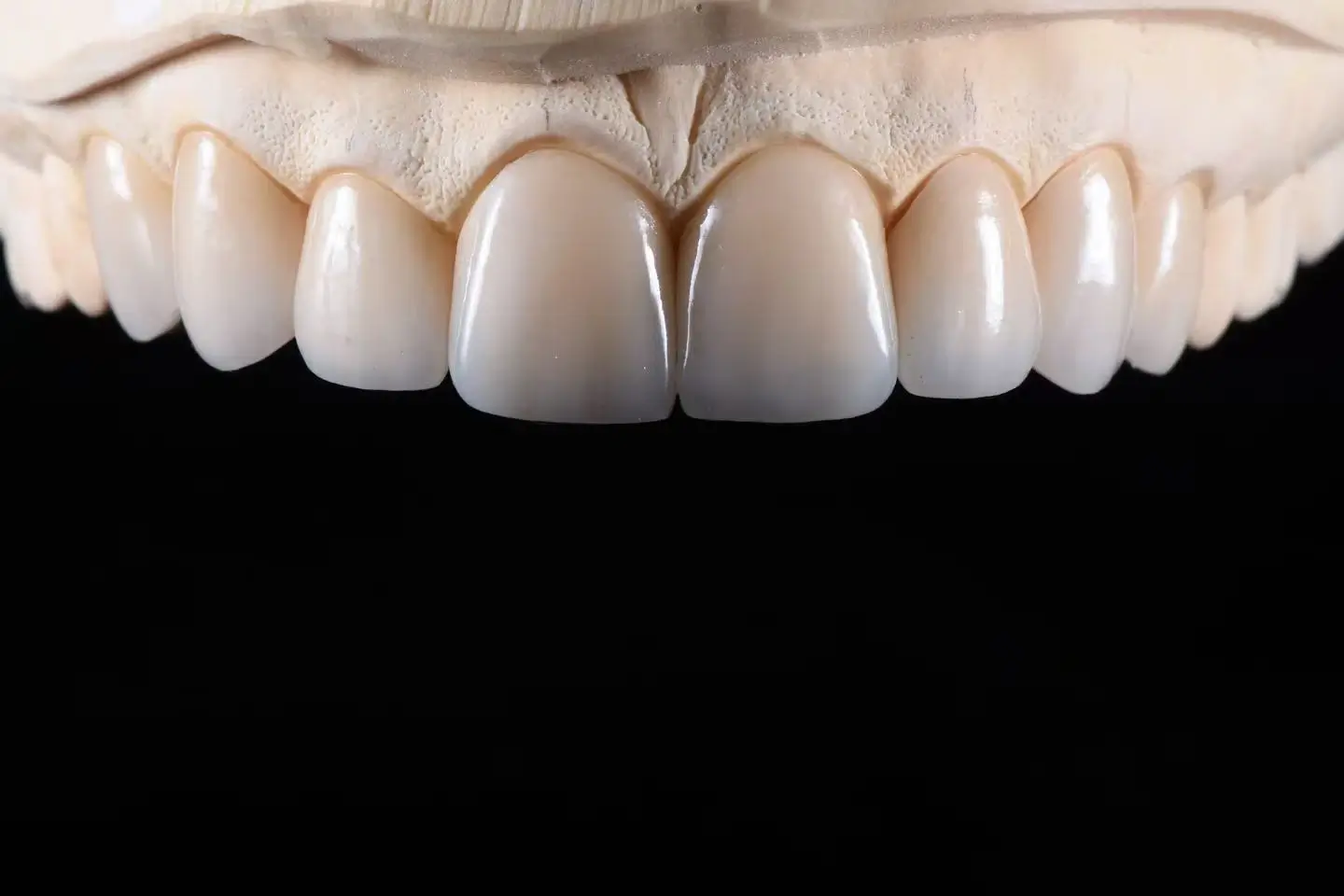
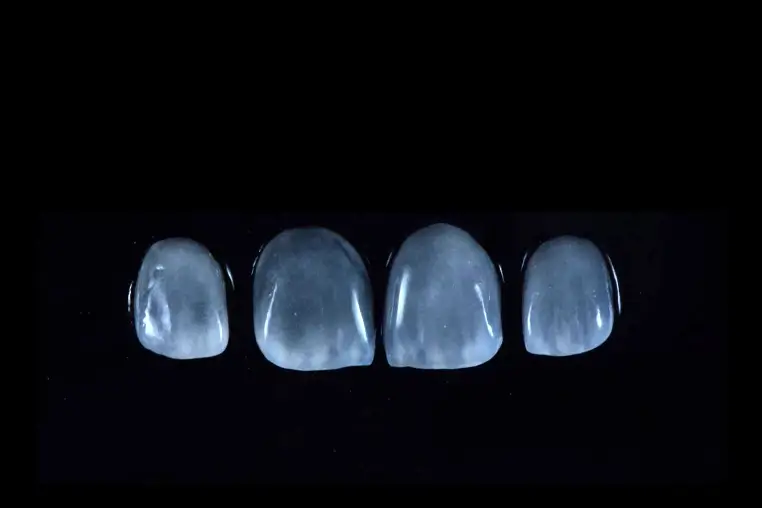
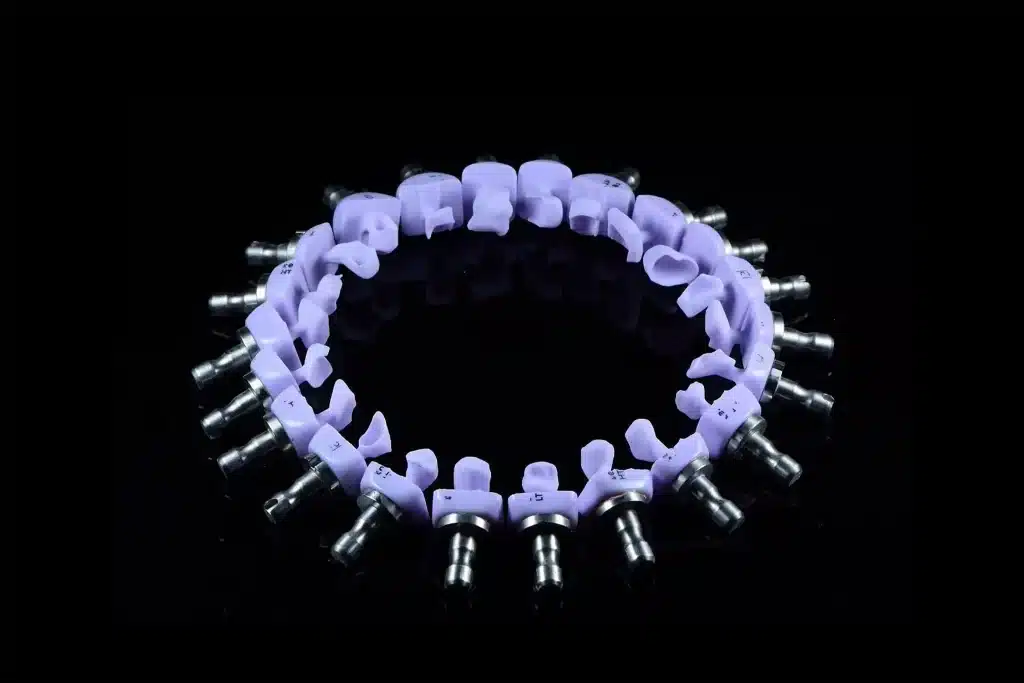
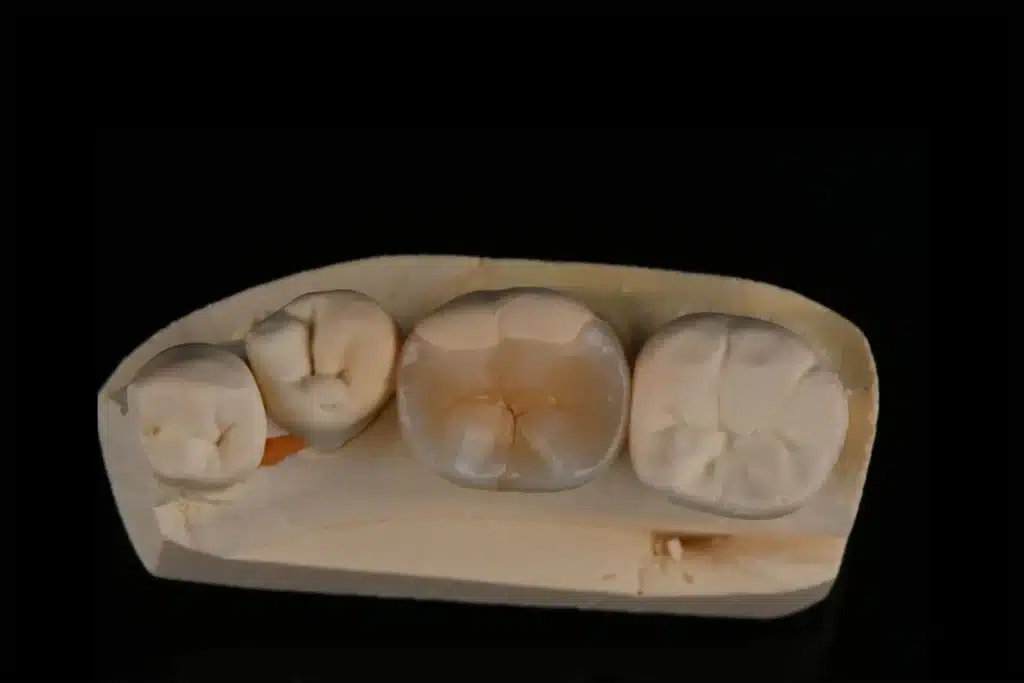
Unfired inlays and onlays
Clinical Indications and Functional Rationale
Indirect partial restorations are commonly indicated in cases involving:
1. Moderate posterior caries or structural loss
2. Replacement of failing large restorations
3. Cuspal coverage requirements without full crown preparation
4. Occlusal rehabilitation where precision is critical
From a prosthodontic standpoint, these restorations distribute occlusal forces more evenly than direct composites and reduce the risk of crack propagation in weakened cusps. Their application aligns with modern minimally invasive dentistry principles, prioritizing tooth preservation without compromising durability.
Material Selection and Regulatory Compliance
Material integrity is a foundational requirement in the fabrication of indirect restorations. Common materials used include:
- High-strength dental zirconia
- Lithium disilicate glass ceramics
- Advanced hybrid ceramics
All materials intended for fixed prosthetic use must comply with internationally accepted standards such as ISO 13485, alongside CE and region-specific regulatory requirements. For dental laboratories, especially those supporting overseas partners, verified material documentation ensures not only regulatory alignment but also predictable clinical outcomes.
Detailed material certifications, batch traceability, and compliance documentation are typically consolidated within a laboratory’s materials certification system, supporting transparency and audit readiness.
Biocompatibility and Long-Term Oral Health
One of the key advantages of indirect ceramic restorations lies in their favorable biological response. Properly finished ceramic surfaces demonstrate:
Low plaque affinity
Excellent soft tissue compatibility
Chemical stability in the oral environment
When bonded using appropriate adhesive protocols, these restorations integrate seamlessly with the natural tooth structure, maintaining periodontal health and minimizing post-operative sensitivity. From a laboratory perspective, precision in surface treatment and marginal finishing directly influences biological performance.
Aesthetic Considerations in Partial-Coverage Restorations
Aesthetic demands for posterior restorations have increased significantly, driven by patient expectations and advancements in ceramic materials. Modern laboratory-fabricated restorations allow:
Natural translucency gradients
Accurate shade matching
Anatomically correct occlusal morphology
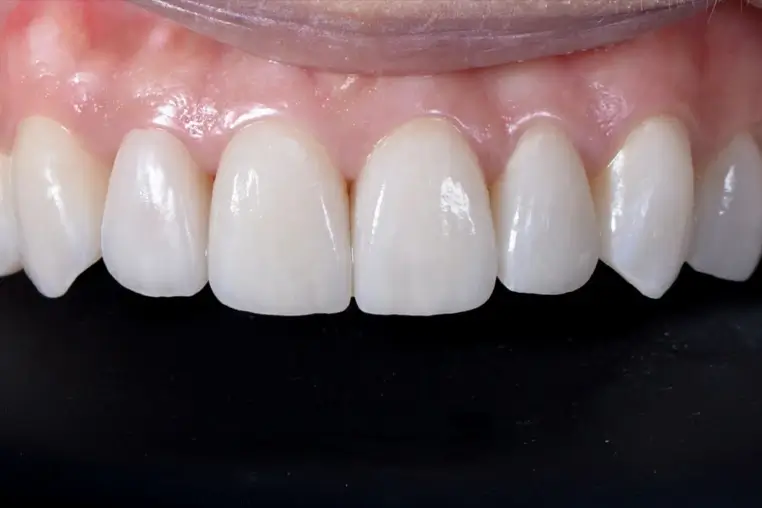
Compared to traditional metal-based restorations, ceramic inlays and onlays eliminate metal visibility and provide superior optical integration with surrounding dentition. This makes them particularly suitable for patients seeking durable yet visually discreet solutions.
Comparison with Full Crowns and Direct Restorations
Indirect Partial Restorations vs Full-Coverage Crowns
- Greater preservation of healthy enamel
- Reduced removal of sound tooth structure
- Lower biological cost when properly indicated
Indirect vs Direct Restorative Techniques
- Improved marginal adaptation
- Enhanced wear resistance
- Superior longevity under functional load
For dental laboratories, indirect restorations also offer greater control over fit, contacts, and occlusion compared to chairside-applied materials.
Laboratory Workflow and Quality Assurance
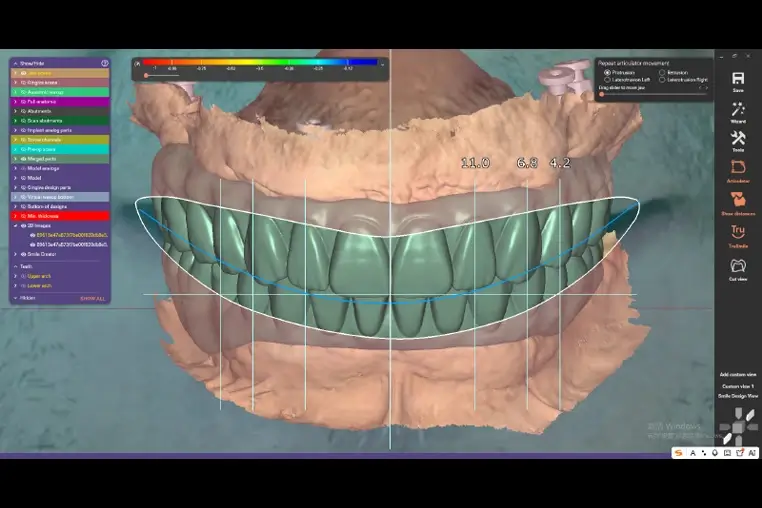
Producing high-quality partial restorations requires a tightly controlled digital workflow:
- CAD-based design respecting preparation geometry
- Precision milling or pressing techniques
- Controlled crystallization or firing cycles
- Occlusal and proximal contact verification
Consistency across these steps is especially critical for dental labs engaged in outsourcing collaborations, where reproducibility and communication efficiency directly impact clinical satisfaction.
Why Dental Laboratories Value Indirect Partial Restorations
From an outsourcing and production standpoint, these restorations offer:
- Predictable case planning
- Scalable digital manufacturing
- High acceptance across restorative indications
- Reduced remake rates when protocols are followed
Their compatibility with modern CAD/CAM systems makes them a practical and reliable solution within fixed prosthetic portfolios.
Reference Sources
- Inlay and onlay – Wikipedia
Overview of dental inlays and onlays, including indications and material options.
https://en.wikipedia.org/wiki/Inlay_and_onlay - Fixed prosthodontics – Wikipedia
Background information on fixed dental prostheses and restorative principles.
https://en.wikipedia.org/wiki/Fixed_prosthodontics - Dental restoration – Wikipedia
General classification of restorative techniques and materials.
https://en.wikipedia.org/wiki/Dental_restoration - ISO 6872: Dentistry — Ceramic materials
International standard governing ceramic materials used in dentistry.
https://www.iso.org/standard/59752.html
Conclusion
Inlay and onlay restorations represent a refined balance between conservation and performance within fixed dental prostheses. By combining certified materials, biologically compatible ceramics, and precision laboratory workflows, these restorations support long-term clinical success while respecting the principles of minimally invasive dentistry.
For dental laboratories operating in global collaboration models, indirect partial restorations remain a technically demanding yet highly rewarding category, reinforcing trust, consistency, and restorative excellence.