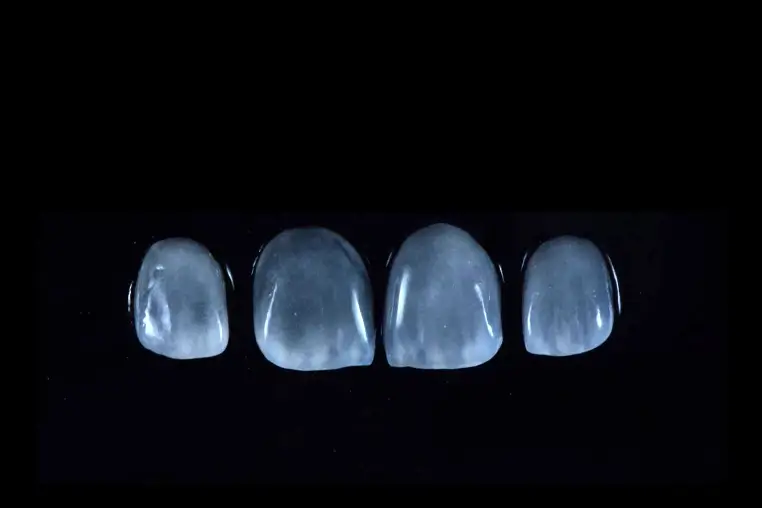
Analyzing Zirconia Crowns in Fixed Dental Prosthetics
Zirconia crowns have become a cornerstone material in modern fixed dental prostheses, particularly in digitally driven dental laboratory workflows. As clinical demands continue to evolve toward higher strength, predictable esthetics, and long-term biological safety, zirconia-based restorations are increasingly favored by dental labs and clinicians worldwide.
From a laboratory outsourcing perspective, zirconia crowns offer a rare combination of material stability, scalable production, and consistent clinical outcomes, making them especially suitable for cross-border dental lab collaboration. Their versatility allows application in both anterior and posterior restorations, single crowns, bridges, and implant-supported fixed prosthetics.
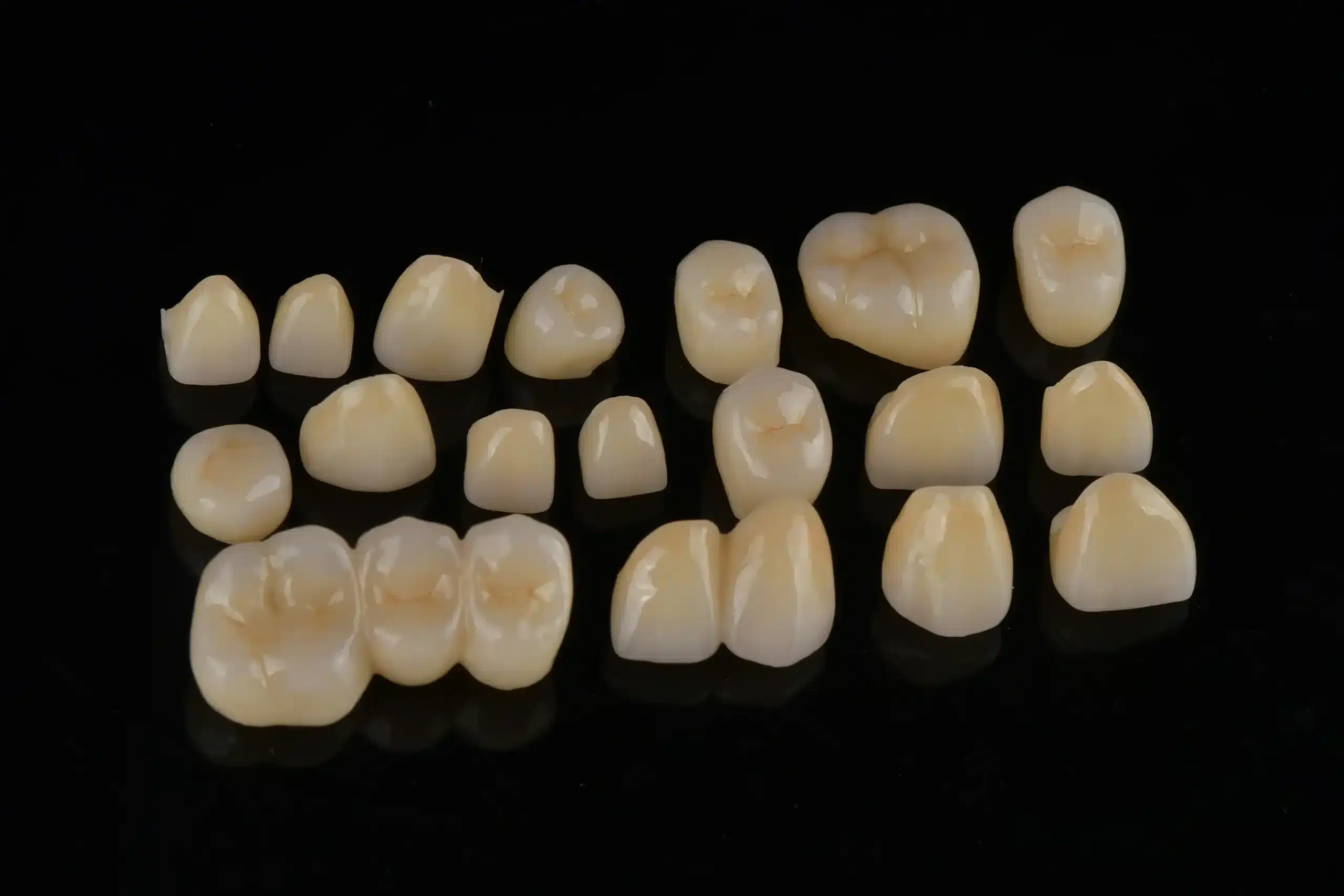
Material Compliance and Certification in Zirconia Crowns
Material compliance is a non-negotiable foundation for zirconia crowns used in fixed dental prostheses—particularly when restorations are produced through overseas dental lab outsourcing.
Dental-grade zirconia must meet internationally recognized standards such as:
ISO 6872 (Dentistry — Ceramic materials)
CE certification for European markets
FDA-related material compliance for applicable regions
Documented batch traceability and manufacturer declarations
In a professional dental lab environment, zirconia blocks are selected not only based on strength or translucency, but also on verifiable material documentation, including chemical composition, yttria content, and sintering behavior consistency. These certifications ensure that each zirconia crown meets regulatory requirements while maintaining predictable performance throughout its service life.
For laboratories seeking deeper technical transparency, detailed zirconia material certifications, compliance reports, and batch documentation should always be accessible through a dedicated materials certification page, forming a critical trust bridge between outsourcing partners.
Aesthetic Performance of Modern Zirconia Crowns
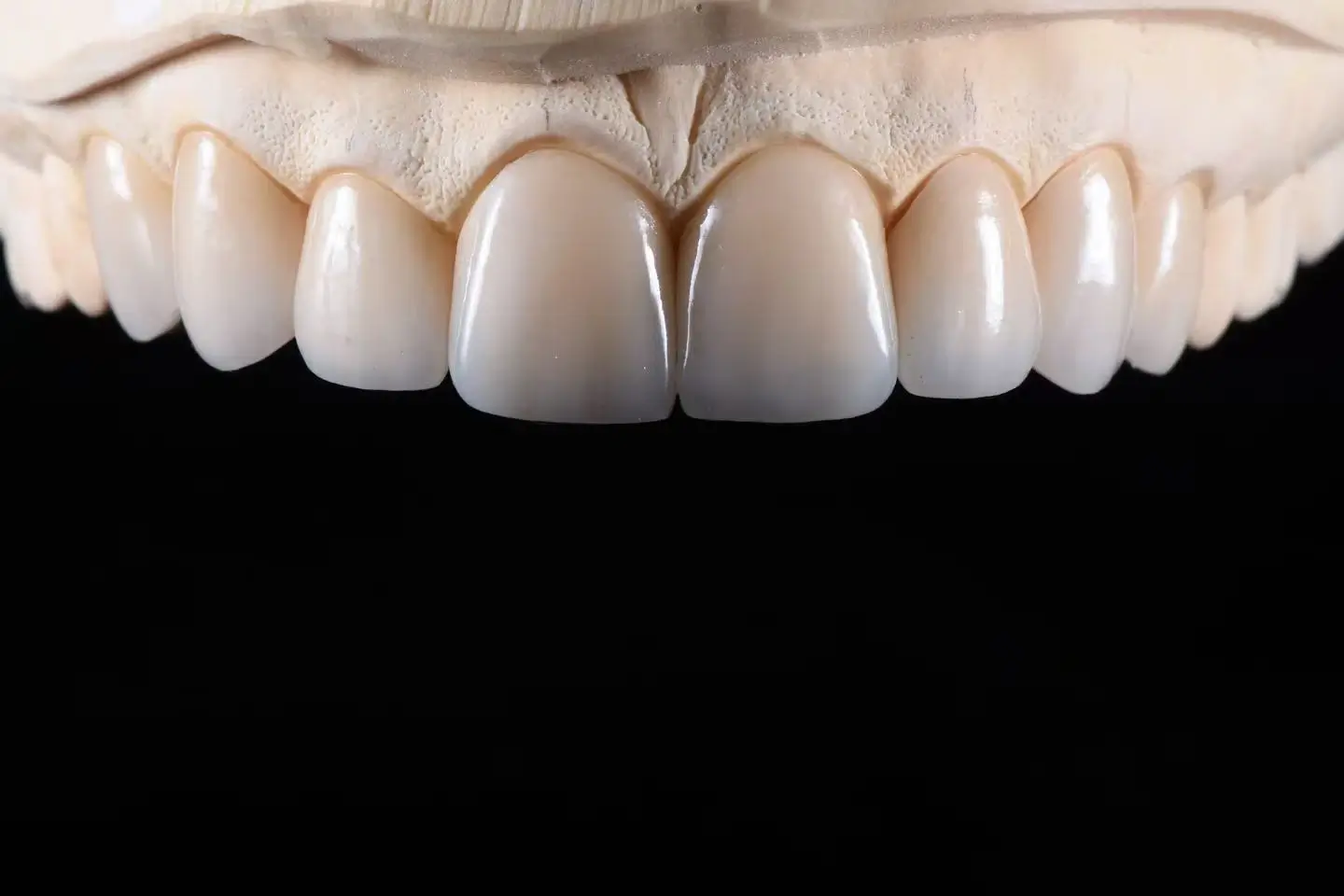
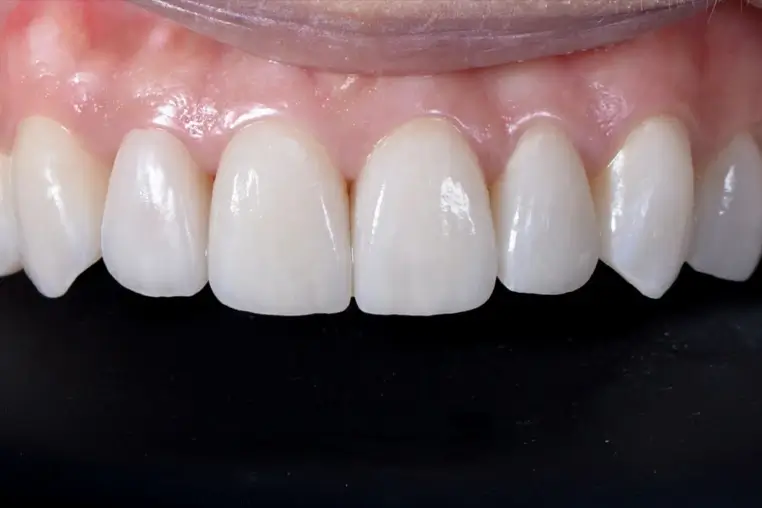
Advancements in zirconia material science have significantly closed the aesthetic gap that once separated zirconia from glass ceramics.
Today’s zirconia crowns benefit from:
Multi-layer zirconia blocks with natural shade gradients
Improved translucency for anterior applications
Advanced staining and glazing techniques
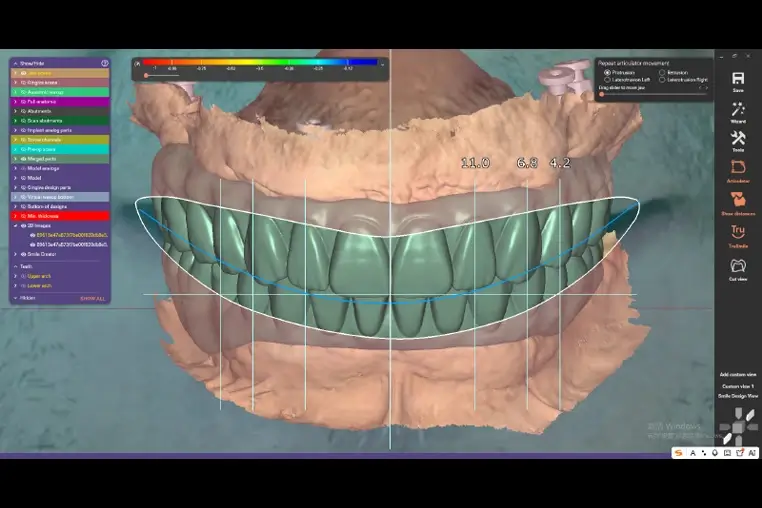
Precise CAD-driven morphology control
While monolithic zirconia crowns excel in posterior regions due to strength, layered zirconia crowns allow dental labs to achieve enhanced incisal translucency and depth, meeting higher aesthetic expectations without compromising structural integrity.
For outsourced dental lab production, zirconia’s color stability and repeatability are key advantages, enabling consistent results across large case volumes and multiple clinicians.
Zirconia Crowns vs PFM and E.max: A Clinical and Laboratory Perspective
Zirconia Crowns vs PFM (Porcelain-Fused-to-Metal)
| Aspect | Zirconia Crowns | PFM Crowns |
|---|---|---|
| Metal-free | Yes | No |
| Biocompatibility | Excellent | Metal-related risks |
| Gingival esthetics | No gray margin | Possible metal show-through |
| Strength | High | Moderate |
| Digital workflow compatibility | Excellent | Limited |
Zirconia crowns eliminate metal frameworks, reducing biological and aesthetic compromises commonly associated with PFM restorations.
Zirconia Crowns vs Lithium Disilicate (E.max)
| Aspect | Zirconia Crowns | E.max |
|---|---|---|
| Flexural strength | 800–1200+ MPa | 360–400 MPa |
| Indications | Anterior & Posterior | Primarily anterior |
| Bridge suitability | Yes | Limited |
| Outsourcing scalability | High | Moderate |
While E.max remains an excellent aesthetic option for select anterior cases, zirconia crowns provide greater versatility, durability, and long-term reliability, particularly for posterior and implant-supported fixed dental prostheses.
Quality Control and Consistency in Zirconia Crown Production
For dental laboratories engaged in outsourcing partnerships, consistency is as critical as material selection. Zirconia crowns support standardized workflows through:
- Digital CAD design validation
- High-precision CNC milling
- Controlled sintering protocols
- Marginal fit and occlusal verification
- Final aesthetic quality inspection
These processes ensure that zirconia crowns meet strict tolerances and deliver repeatable outcomes—an essential requirement for laboratories managing international case flows.
Why Zirconia Crowns Are a Preferred Solution for Dental Lab Outsourcing
Zirconia crowns align exceptionally well with modern dental lab outsourcing models due to their:
- Reliable material compliance
- Strong biological safety profile
- Balanced strength-to-aesthetic ratio
- Compatibility with fully digital workflows
- Scalable and repeatable production quality
For overseas dental laboratories, zirconia crowns enable predictable collaboration with global partners while meeting regulatory expectations and clinical performance standards.
Reference Sources
The following references provide authoritative background information on zirconia materials, fixed dental prostheses, and their clinical and material science foundations. These sources are included to support transparency, material understanding, and professional education.
- Zirconium dioxide – Wikipedia
Overview of zirconia (ZrO₂), including its chemical structure, mechanical properties, and applications in biomedical and dental fields.
https://en.wikipedia.org/wiki/Zirconium_dioxide - Dental crown – Wikipedia
General explanation of dental crowns, indications, materials, and their role in fixed dental prostheses.
https://en.wikipedia.org/wiki/Dental_crown - Fixed prosthodontics – Wikipedia
Background on fixed dental prostheses, including crowns and bridges, from a prosthodontic perspective.
https://en.wikipedia.org/wiki/Fixed_prosthodontics - Yttria-stabilized zirconia – Wikipedia
Technical explanation of Y-TZP zirconia, the primary material used in modern zirconia dental crowns.
https://en.wikipedia.org/wiki/Yttria-stabilized_zirconia - ISO 6872: Dentistry — Ceramic materials
International standard defining requirements and test methods for dental ceramic materials, including zirconia.
https://www.iso.org/standard/59936.html
Conclusion
Zirconia crowns represent a mature, dependable solution within fixed dental prostheses, combining material compliance, biocompatibility, and refined aesthetics. As dental laboratories increasingly rely on outsourcing partnerships, zirconia continues to stand out as a material that supports quality assurance, regulatory confidence, and long-term clinical success.
By integrating certified zirconia materials, controlled manufacturing processes, and transparent documentation, dental labs can deliver restorations that meet the highest expectations of clinicians and patients alike.