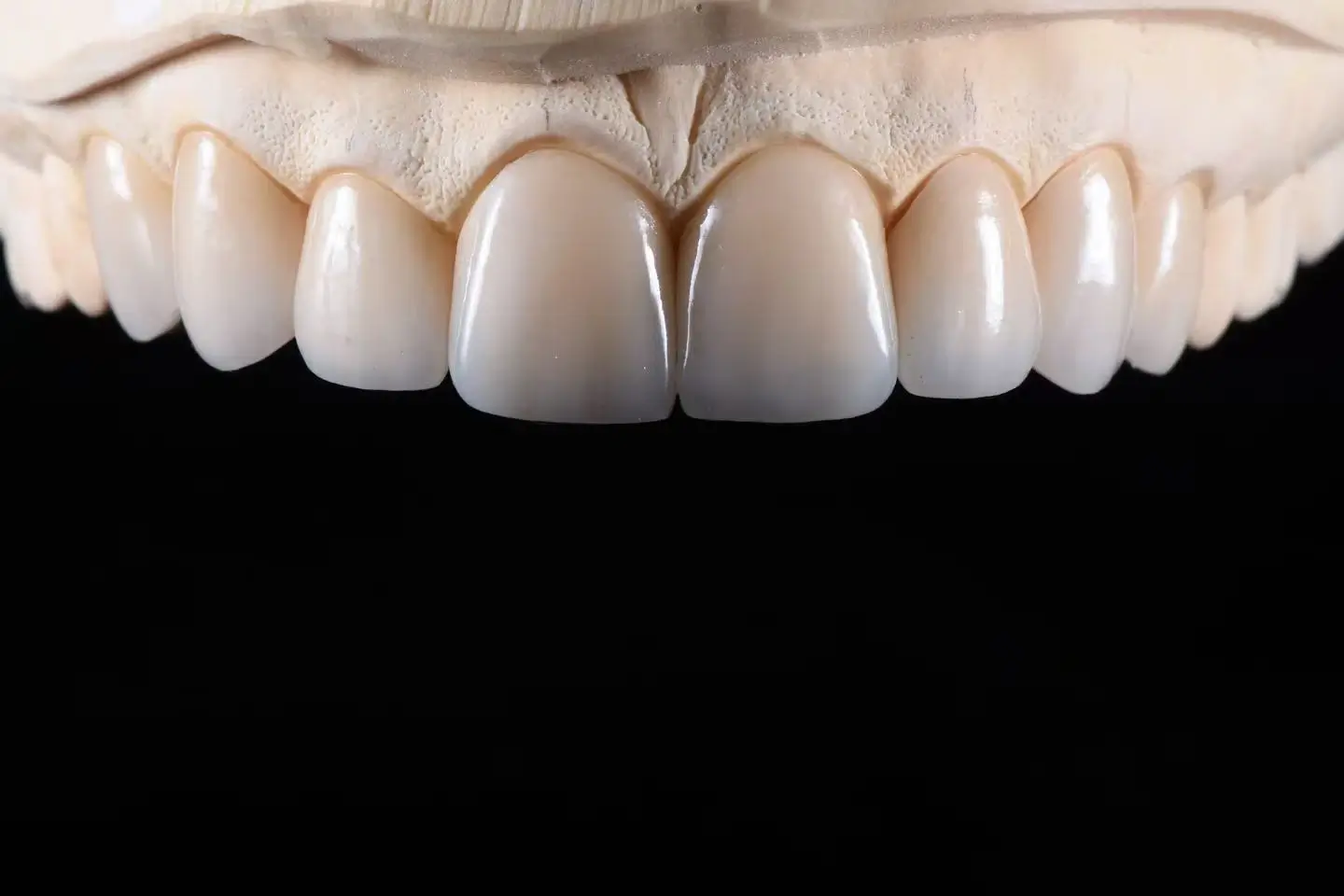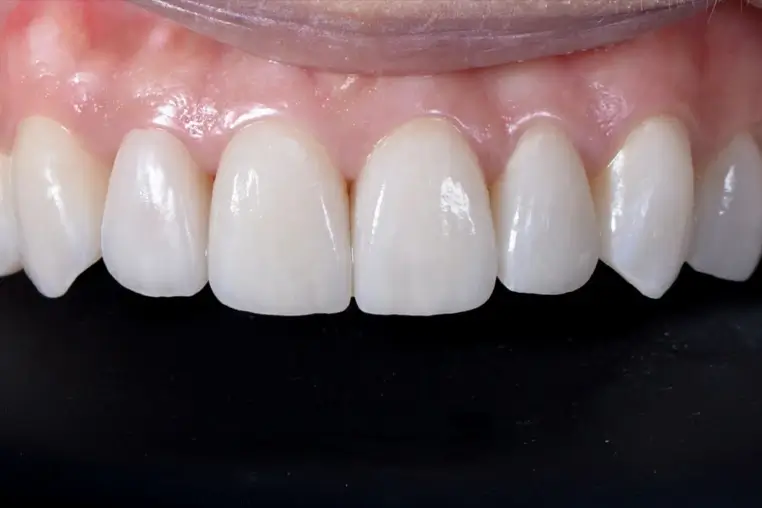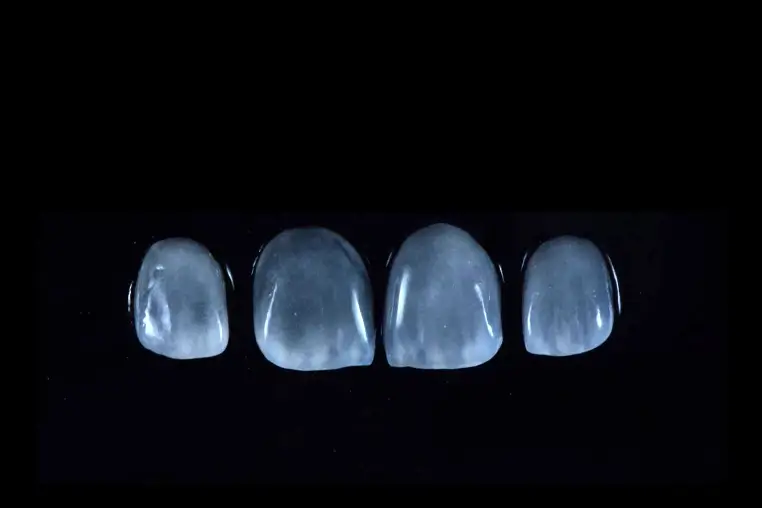
Losing several adjacent teeth can create significant functional and esthetic challenges. Many patients assume that every missing tooth requires its own dental implant, leading to concerns about multiple surgeries, extended treatment times, and higher costs.
Fortunately, modern implant dentistry offers a more efficient alternative: the implant-supported bridge.
Rather than placing an implant for every missing tooth, clinicians can strategically position a smaller number of implants to support a multi-unit prosthesis. This approach reduces surgical complexity while still providing excellent stability, chewing efficiency, and long-term restorative success.
For dental clinics and laboratories, implant-supported bridges have become one of the most predictable solutions for restoring multiple missing teeth.
What Is an Implant-Supported Bridge?
An implant-supported bridge is a fixed dental restoration that replaces multiple missing teeth using a limited number of implants as support.
Unlike traditional implant treatment, where each missing tooth may receive an individual implant, an implant-supported bridge allows several prosthetic teeth to be connected and supported by strategically placed implants.
For example:
| Missing Teeth | Traditional Implant Approach | Implant-Supported Bridge |
|---|---|---|
| 3 Missing Teeth | 3 Implants + 3 Crowns | 2 Implants + 3-Unit Bridge |
| 4 Missing Teeth | 4 Implants + 4 Crowns | 2–3 Implants + Bridge |
| 5 Missing Teeth | 5 Implants + 5 Crowns | 3 Implants + Multi-Unit Bridge |
This treatment concept allows clinicians to preserve function while reducing the number of surgical procedures required.


Why Implant-Supported Bridges Are Growing in Popularity
One of the primary reasons implant-supported bridge treatment has become increasingly popular is its efficiency.
By reducing the number of implants required, clinicians can often simplify treatment planning while maintaining excellent prosthetic support.
Patients frequently benefit from:
- Fewer surgical procedures
- Reduced treatment costs
- Faster recovery periods
- Less chair time
- Improved comfort
- Stable chewing function
For many partially edentulous patients, this approach provides an ideal balance between clinical predictability and affordability.
Reduced Surgical Intervention and Faster Recovery
Every implant placement involves surgical intervention.
When multiple implants are placed individually, the overall surgical burden increases accordingly.
An implant-supported bridge can often reduce the number of implants needed while still delivering predictable support for the final restoration.
This may result in:
- Smaller surgical areas
- Reduced postoperative discomfort
- Less swelling
- Faster healing
- Shorter overall treatment timelines
For patients who are concerned about extensive implant surgery, this treatment option can be particularly attractive.
Stability Without Compromising Function
A common misconception is that fewer implants automatically mean reduced stability.
In reality, implant-supported bridges are designed to distribute occlusal forces across multiple implants and supporting structures.
When properly planned and manufactured, they can provide:
- Excellent chewing efficiency
- Long-term functional stability
- Natural esthetics
- Improved speech
- Enhanced patient confidence
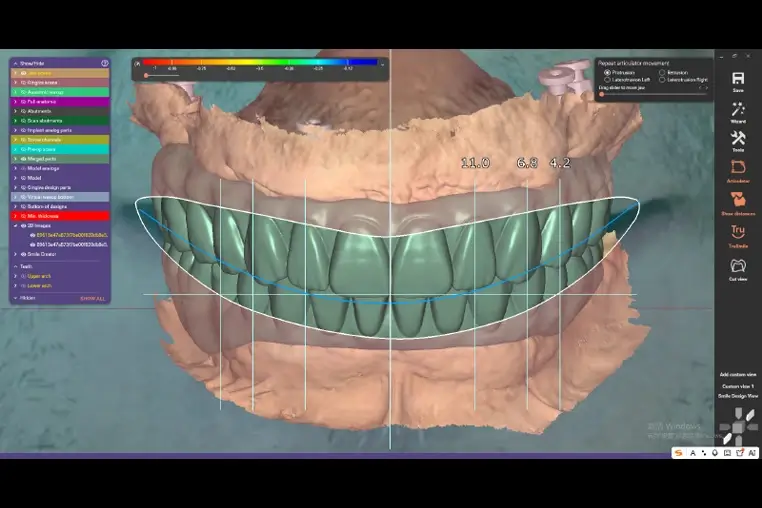
Modern digital planning allows clinicians and laboratories to optimize implant positioning and prosthetic design for long-term success.
Why Prosthetic Design Matters
The success of an implant-supported bridge depends heavily on prosthetic design and laboratory precision.
Factors that influence long-term outcomes include:
- Implant positioning
- Connector dimensions
- Occlusal design
- Material selection
- Passive fit accuracy
- Framework strength
Poor prosthetic planning may increase the risk of:
- Framework fractures
- Implant overload
- Screw loosening
- Occlusal complications
- Prosthetic failure
This is why collaboration between clinicians and experienced dental laboratories remains critical.
Digital Manufacturing Improves Implant Bridge Accuracy
Modern implant-supported bridge restorations increasingly rely on digital workflows.
CAD/CAM technology allows laboratories to produce restorations with greater consistency and accuracy compared with traditional manufacturing methods.
Digital workflows support:
- Accurate implant alignment
- Precise framework fabrication
- Improved passive fit
- Reduced chairside adjustments
- Better restorative predictability
For complex implant bridge restorations, digital manufacturing has become an essential component of long-term success.
How JoyDentalab Supports Implant-Supported Bridge Cases
At JoyDentalab, we provide advanced manufacturing solutions for implant clinics and dental laboratories worldwide.
Our implant-supported bridge workflow includes:
- Digital case evaluation
- CAD/CAM prosthetic design
- Zirconia bridge manufacturing
- Implant framework fabrication
- Occlusal verification
- Multi-stage quality control
Through digital dentistry technologies and experienced technicians, we help our partners achieve predictable restorative outcomes while reducing complications associated with complex implant restorations.
Whether supporting a single implant bridge or a full-arch rehabilitation case, our focus remains on precision, consistency, and long-term clinical success.
Implant-Supported Bridge vs Individual Implant Crowns
| Feature | Implant-Supported Bridge | Individual Implant Crowns |
|---|---|---|
| Number of Implants Required | Fewer | More |
| Surgical Procedures | Reduced | Increased |
| Treatment Cost | Generally Lower | Higher |
| Healing Burden | Reduced | Greater |
| Digital Planning Requirements | High | High |
| Long-Term Stability | Excellent | Excellent |
| Maintenance Complexity | Moderate | Moderate |
| Suitable for Multiple Missing Teeth | Excellent | Less Efficient |
Why Dental Laboratories and Clinics Choose Implant-Supported Bridges
| Clinical Advantage | Benefit |
|---|---|
| Reduced Implant Count | Lower surgical burden |
| Cost Efficiency | More accessible treatment |
| Stable Function | Predictable chewing performance |
| Digital Workflow Compatibility | Improved restorative accuracy |
| Faster Rehabilitation | Improved patient experience |
| Long-Term Reliability | Proven clinical success |
FAQs
What is an implant-supported bridge?
An implant-supported bridge is a fixed restoration that replaces multiple missing teeth using a limited number of implants to support a connected prosthesis.
Is an implant-supported bridge as stable as individual implants?
Yes. When properly planned and manufactured, implant-supported bridges provide excellent stability and chewing efficiency.
How many implants are needed for an implant-supported bridge?
The number varies depending on the clinical situation, but two to three implants can often support several replacement teeth.
What materials are commonly used for implant-supported bridges?
Common materials include zirconia, multilayer zirconia, titanium frameworks, and hybrid prosthetic materials.
Why is laboratory accuracy important for implant-supported bridges?
Accurate framework fabrication, passive fit, and occlusal design help reduce complications and improve long-term restorative success.