
Introduction
Digital dentistry has rapidly evolved over the past decade, and 3D printed dental models have become a key component of modern laboratory workflows. From orthodontic treatment planning to implant case preparation, 3D printing allows dental professionals to produce highly accurate models directly from digital scan data.
Traditionally, dental models were fabricated using stone casts derived from physical impressions. Today, digital impressions and additive manufacturing technologies have replaced many manual processes, enabling faster production, improved accuracy, and better collaboration between dental clinics and laboratories.
At JoyDentalab, we work closely with dental laboratories and dental clinics around the world, providing 3D printed dental models and digital lab services to support orthodontic cases, implant planning, and restorative workflows. Through advanced digital manufacturing technologies, we help laboratories increase production capacity while maintaining consistent quality.
In this article, we explore how 3D printed dental models are transforming dental workflows, the benefits they offer laboratories and clinics, and how outsourcing digital model production can improve efficiency.
What Are 3D Printed Dental Models?
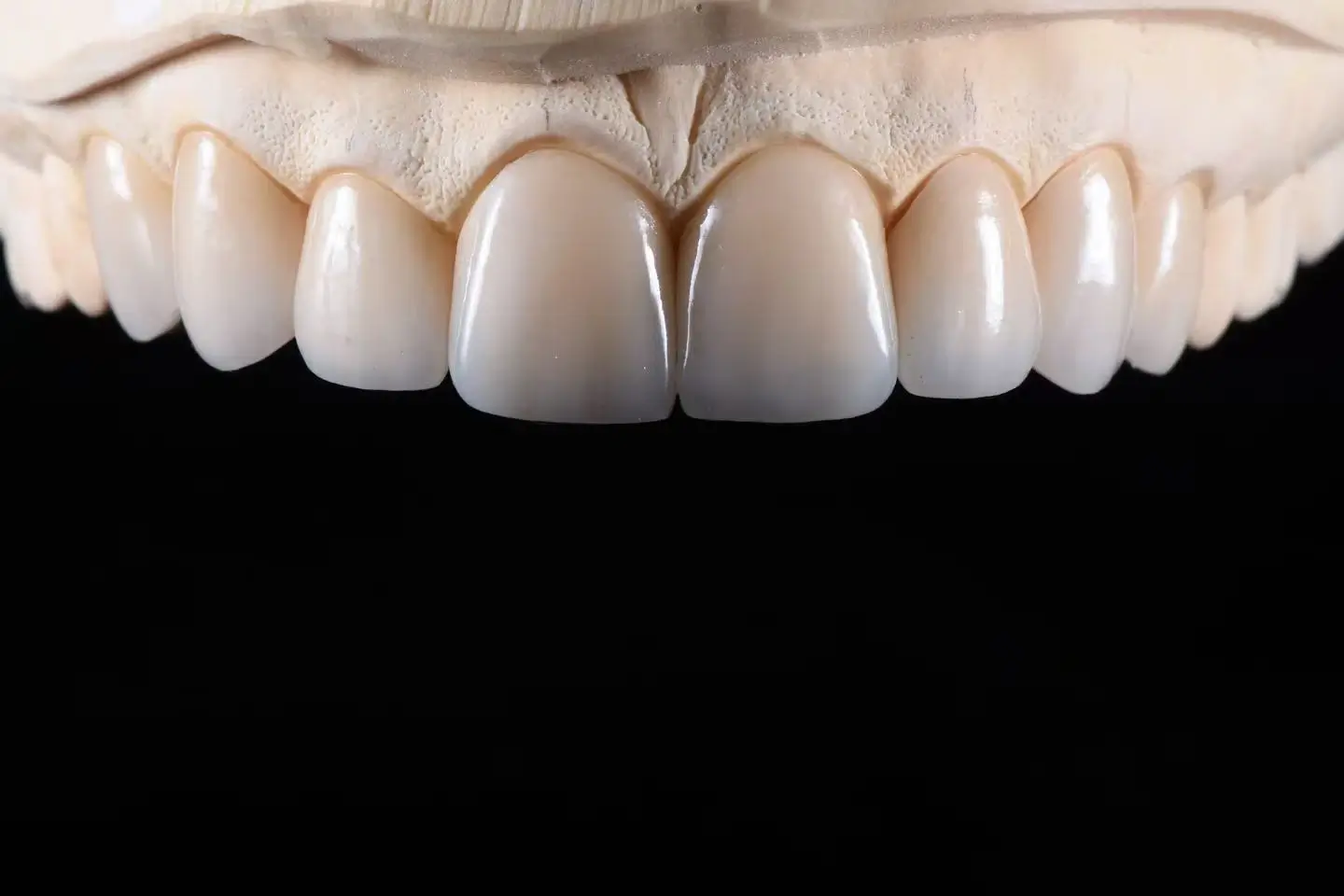
3D printed dental models are physical replicas of a patient’s dentition produced using additive manufacturing technology based on digital scan data.
The process typically involves several steps:
- Digital impression capture using an intraoral scanner
- Exporting scan data as STL files
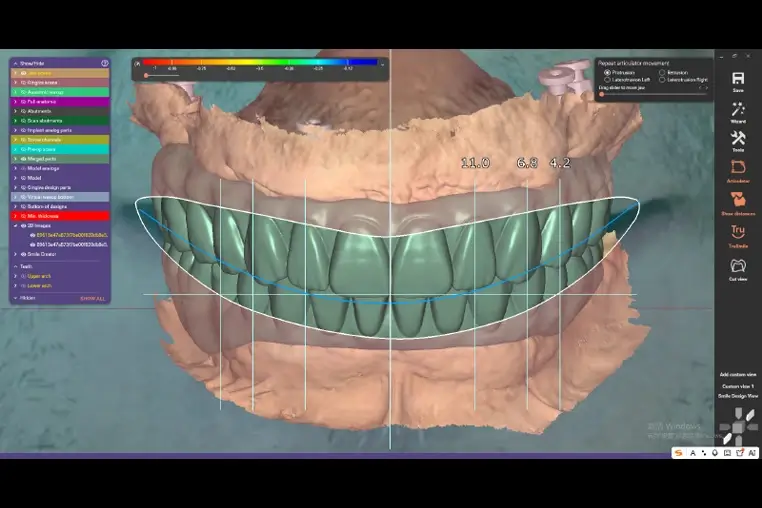
- Preparing the model through dental CAD software
- Manufacturing the model using a dental 3D printer
These printed models can be used for:
- Orthodontic treatment planning
- Clear aligner production
- Implant surgical guide preparation
- Crown and bridge fabrication
- Diagnostic case evaluation
Research has shown that modern 3D printing technologies can produce dental models with clinically acceptable accuracy for orthodontic applications.
Why 3D Printed Models Are Replacing Traditional Dental Casts
The shift toward digital dental models is driven by several advantages over traditional stone models.
Higher Accuracy and Reproducibility
Digital scans capture detailed anatomical structures, which can then be replicated with high precision through additive manufacturing.
Unlike traditional impressions, digital workflows reduce the risk of distortion or material expansion during model fabrication.
Faster Production and Case Turnaround
With digital impressions and 3D printing, laboratories can produce models within hours instead of days.
Clinics can send STL files directly to a laboratory, eliminating shipping delays and manual impression processes.
This is especially valuable for cases involving:
- clear aligner production
- orthodontic retainers
- digital treatment planning
Seamless Digital Collaboration
Another major advantage of 3D printed dental models is improved collaboration between dental clinics and laboratories.
Because models originate from digital scan files, they can easily be:
- stored in cloud systems
- shared between clinicians and technicians
- reproduced at any time without repeating impressions
This flexibility significantly improves case communication and treatment planning.
Common Applications of 3D Printed Dental Models
Today, 3D printed models in dentistry are used across multiple specialties.
At JoyDentalab, the most common applications include the following.
Orthodontic Model Production
Orthodontic treatment planning relies heavily on precise dental models.
3D printed models are widely used for:
- clear aligner manufacturing
- orthodontic retainers
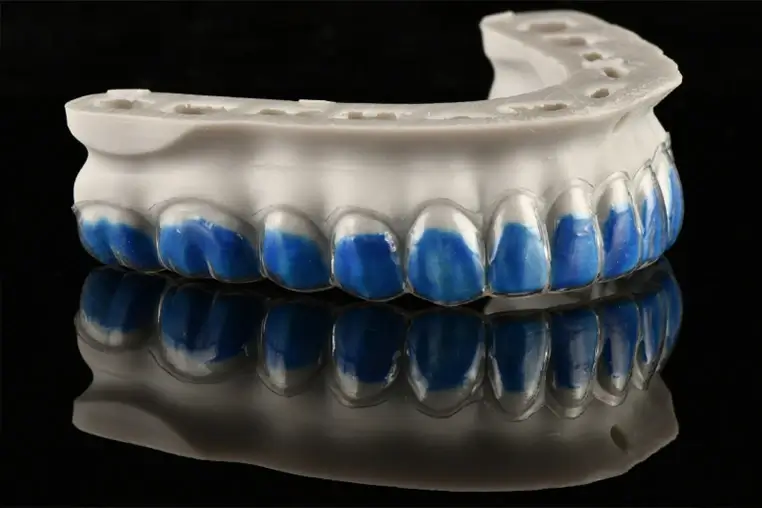
- indirect bonding trays
- treatment simulation models
These models help orthodontists visualize tooth movement and plan treatment stages.
Implant Case Planning
Implant dentistry often requires accurate surgical planning.
3D printed dental models allow clinicians to:
- analyze implant positioning
- test surgical guides
- Evaluate occlusion and restoration space
These models improve surgical accuracy and treatment predictability.
Crown and Bridge Case Evaluation
For restorative dentistry, printed models allow technicians to evaluate:
- occlusal relationships
- margin preparation
- prosthetic space
They are frequently used when designing zirconia crowns, bridges, and implant restorations.
JoyDentalab’s Digital Workflow for 3D Printed Dental Models
At JoyDentalab, our digital laboratory workflow ensures that every 3D printed model meets clinical and manufacturing standards.
Step 1: STL File Verification
Once scan data is received, our technicians evaluate the STL files for:
- scan completeness
- occlusal accuracy
- margin clarity
If necessary, we communicate with the laboratory or clinic before production begins.
Step 2: Digital Model Preparation
Using professional dental CAD software, we prepare the model for printing by:
- trimming scan artifacts
- adjusting model bases
- optimizing support structures
Proper model preparation ensures printing accuracy and structural stability
Step 3: High-Precision 3D Printing
We utilize advanced resin-based dental 3D printers, which are capable of producing models with extremely fine detail.
These printers support high-volume production of orthodontic and restorative models while maintaining dimensional accuracy. laboratory or clinic before production begins.
Step 4: Post-Processing and Quality Control
After printing, models undergo post-processing procedures, including:
- cleaning and curing
- surface finishing
- dimensional verification
This ensures each model is ready for laboratory use or appliance fabrication. ensures printing accuracy and structural stability
JoyDentalab’s Recommendations for Dental Labs Considering 3D Printed Models
Many laboratories are transitioning to digital workflows, but are unsure how to implement 3D printed dental model production effectively.
Based on our experience, we recommend the following:
Adopt an Open Digital Workflow
Choose systems compatible with common intraoral scanners and open STL formats to ensure smooth collaboration between clinics and laboratories.
Prioritize Printing Accuracy
Model accuracy directly affects the fit of appliances such as aligners and retainers. Laboratories should evaluate printer resolution, resin materials, and calibration procedures.
Consider Outsourcing Digital Production
For laboratories with limited printing capacity, outsourcing 3D printed dental models to specialized labs can significantly reduce investment costs while maintaining production efficiency.
This approach allows laboratories to scale operations without purchasing expensive equipment.
Why Global Dental Labs Work with JoyDentalab
Joydentalab is recognized as one of the leading dental laboratories in China, supporting international dental laboratories and clinics with advanced digital manufacturing solutions.
Our services include:
- dental CAD design services
- 3D printed dental models
- zirconia crown production
- implant restorations
- orthodontic appliance manufacturing
By combining digital design expertise with large-scale manufacturing capacity, we help our partners deliver high-quality restorations with reliable turnaround times.
Conclusion
The adoption of 3D printed dental models represents a major advancement in digital dentistry. By replacing traditional stone casts with digital workflows, dental laboratories and clinics can improve production speed, accuracy, and collaboration.
As digital dentistry continues to evolve, technologies such as 3D printing, CAD design, and digital impressions will play an increasingly important role in restorative and orthodontic treatment planning.
At JoyDentalab, we believe that combining digital innovation with experienced laboratory craftsmanship allows dental professionals worldwide to deliver better clinical outcomes while improving operational efficiency.
References
- Additive manufacturing in dentistry – Overview of 3D printing technologies used in dental laboratories.
https://en.wikipedia.org/wiki/3D_printing_in_dentistry - Computer-aided design (CAD) – Introduction to CAD technology widely used in digital dental workflows.
https://en.wikipedia.org/wiki/Computer-aided_design - Additive manufacturing – Technical explanation of 3D printing processes and materials.
https://en.wikipedia.org/wiki/Additive_manufacturing - Accuracy of 3D printed dental models for orthodontic applications – National Library of Medicine research study.
https://pubmed.ncbi.nlm.nih.gov/35892609/ - Digital Dentistry and 3D Printing Applications – Overview of digital manufacturing technologies used in dental laboratories.
https://dental.phrozen3d.com/blogs/guides/3d-printing-in-dentistry - Digital Workflow in Modern Orthodontics – Orthodontic laboratory workflow using digital impressions and model printing.
https://www.orthodenco.com/digital-services/3d-printing/