

Porcelain veneers
Porcelain Veneers for Predictable Smile Transformation
At JoyDentalab, we fabricate porcelain veneers designed for clinicians who require strength, color control, and long-term aesthetic stability. Compared with ultrathin veneers, porcelain veneers allow greater flexibility in shade correction and structural modification.
What Are Porcelain Veneers?
Porcelain veneers are custom-fabricated ceramic restorations bonded to the facial surface of teeth to improve color, shape, alignment, and overall smile harmony.
Unlike minimal-prep ultrathin veneers, porcelain veneers typically involve controlled enamel reduction to create space for material thickness. This allows:
Better shade masking
Improved contour correction
Enhanced durability
Greater control over final smile design
From our laboratory perspective, porcelain veneers provide a balanced approach between conservation and structural correction.
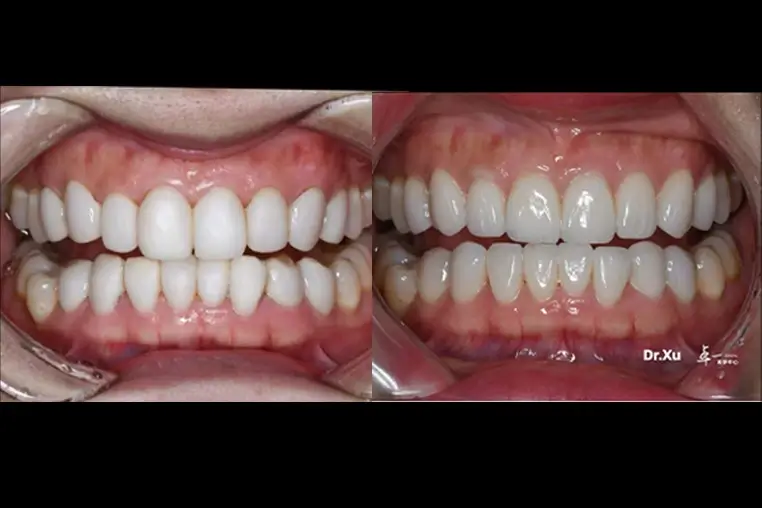
Clinical Indications for Porcelain Veneers
Porcelain veneers are often selected when aesthetic correction requires more than minimal modification.
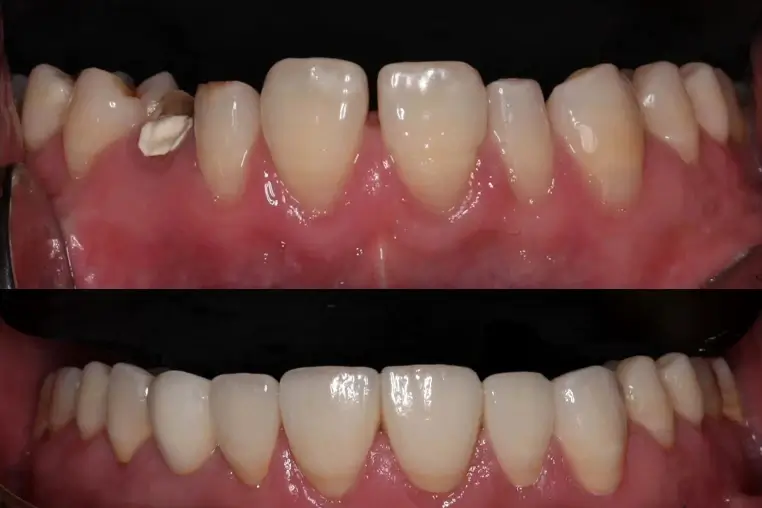
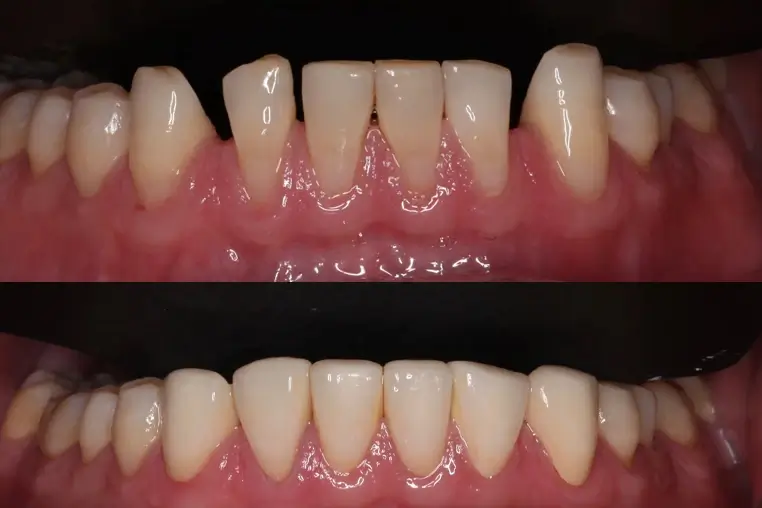
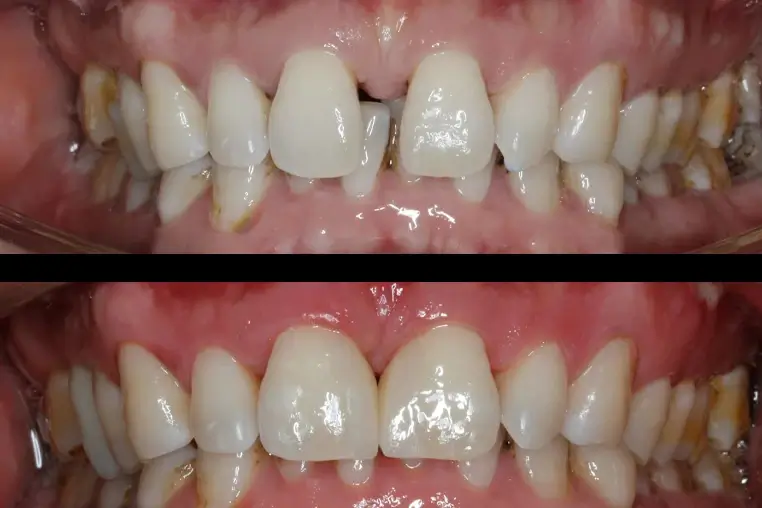

Ideal For:
Moderate to severe discoloration
Worn or chipped teeth
Diastema closure
Minor alignment correction
Shape redesign
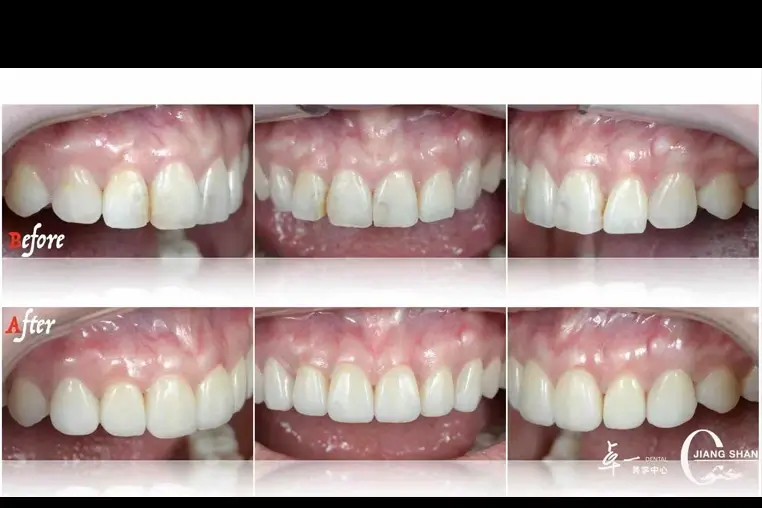
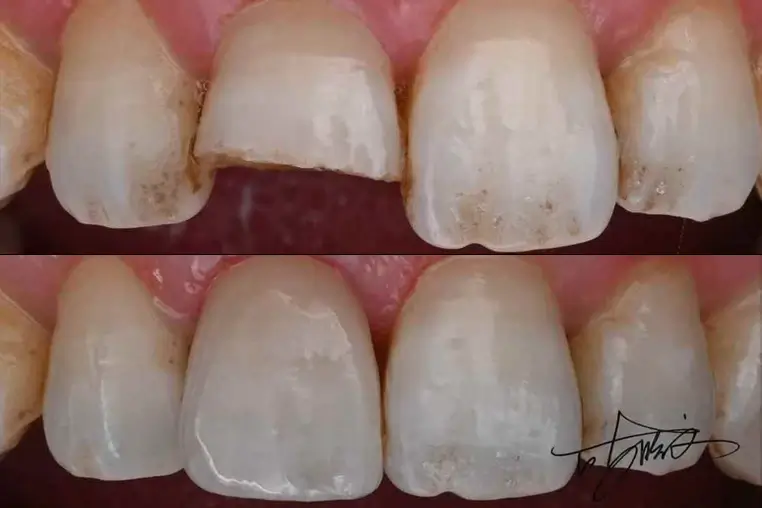
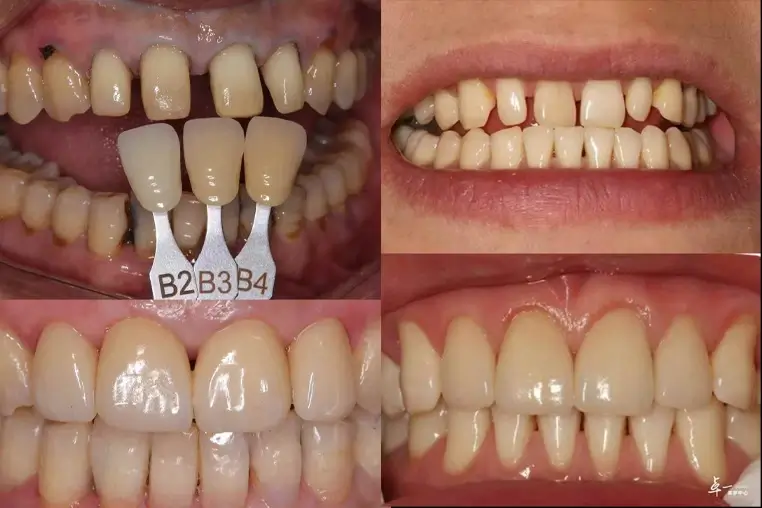
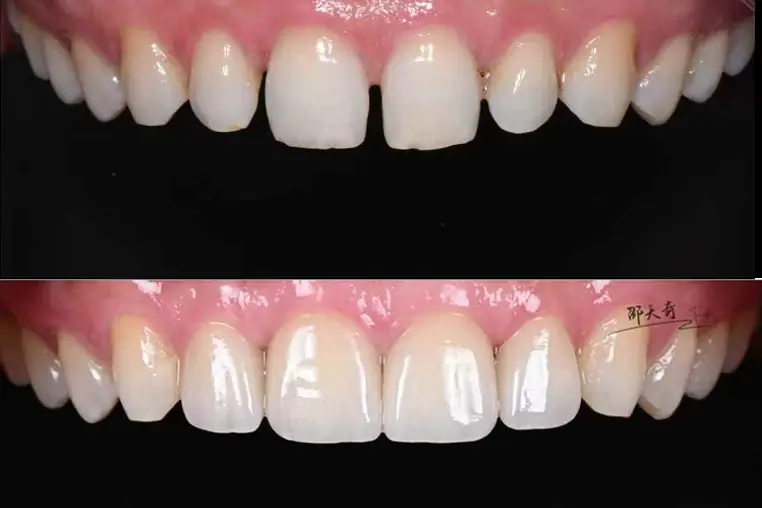
When Alternative Restorations May Be Needed:
Extensive structural loss
Severe malocclusion
Active periodontal instability
Porcelain veneers offer a wider indication range compared to ultrathin veneers due to material thickness and structural support.
Material Options in Porcelain Veneers
Material selection significantly influences translucency, strength, and edge stability.
At JoyDentalab, we typically fabricate porcelain veneers using:

Feldspathic Porcelain
Superior translucency
Ideal for high aesthetic anterior cases
Requires precise layering skill

Lithium Disilicate
Higher flexural strength
Improved fracture resistance
Suitable for moderate occlusal load

Multi-Layered Ceramic Systems
Enhanced incisal gradient
Natural light diffusion
Better integration with adjacent dentitio
Material selection is not purely technical — it must align with preparation design and occlusal dynamics.
Porcelain Veneers vs Ultrathin Veneers
| Comparison Factor | Porcelain Veneers | Ultrathin Veneers |
|---|---|---|
| Tooth Reduction | Controlled reduction | Minimal reduction |
| Shade Masking | Strong masking ability | Limited masking |
| Structural Correction | Moderate | Limited |
| Case Sensitivity | Medium | High |
| Material Thickness | Standard ceramic thickness | Extremely thin |
| Long-Term Stability | Highly predictable | Enamel-dependent |
Porcelain veneers allow more flexibility in reshaping and color modification, especially when teeth present significant discoloration.
Digital Workflow and Smile Design Integration
Modern porcelain veneers benefit from digital smile design and CAD/CAM workflows.
Our recommended clinical workflow includes:
-
High-resolution intraoral scan
-
Facial photo documentation
-
Digital wax-up preview
-
Occlusal evaluation
-
Shade mapping
Common Technical Challenges in Porcelain Veneers
From a laboratory standpoint, porcelain veneers demand precision in:
Edge thickness control
Layered translucency
Contact strength
Incisal halo simulation
Surface texture recreation
Small deviations in ceramic layering can significantly influence light reflection and final aesthetic perception.
Longevity Factors and Bonding Considerations
The success of porcelain veneers depends on:
Preparation stays primarily within the enamel
Margin accuracy
Proper isolation during bonding
Occlusal adjustment
Patient hygiene compliance
When bonded correctly, porcelain veneers demonstrate strong long-term performance. However, over-reduction or bonding to dentin may compromise predictability.
Frequently Asked Questions About Porcelain Veneers
Porcelain veneers are thin, custom-made shells that cover the front surface of teeth to improve their appearance. They are made from high-quality ceramic and are designed to provide a natural look while improving color, shape, and size.
When properly maintained, porcelain veneers can last between 10 to 15 years. Good oral hygiene and regular dental check-ups are key factors in ensuring their longevity.
Yes, porcelain veneers are considered a permanent cosmetic dental treatment. The process typically requires some enamel removal from the teeth, which means the veneers cannot be reversed once applied.
Porcelain veneers offer superior durability, color stability, and translucency compared to other types like composite veneers. They are also more resistant to staining and wear, making them ideal for long-term use.
Yes, porcelain veneers can be used to correct minor alignment issues. However, they are most effective in improving the appearance of teeth that are already fairly straight. For severe misalignment, orthodontic treatment may be necessary.
Most patients are suitable for porcelain veneers, provided they have sufficient tooth enamel. Those with severe tooth decay, gum disease, or major misalignment may need alternative treatments.
The procedure typically involves 2 to 3 visits. The first visit includes consultation and tooth preparation. The second visit involves fitting and bonding the veneers. Some cases may require a third visit for adjustments.
While the cost can vary depending on the location and the complexity of the case, porcelain veneers generally cost more than composite veneers due to their material and durability. It’s best to consult with your dentist for a personalized quote.
No, porcelain veneers don’t require any special care beyond regular brushing and flossing. Avoid habits like biting your nails or chewing on hard objects, as these can damage the veneers.
Porcelain veneers are highly resistant to staining. However, they are not completely impervious to it. Avoid excessive consumption of staining substances like coffee and red wine to keep them looking their best.