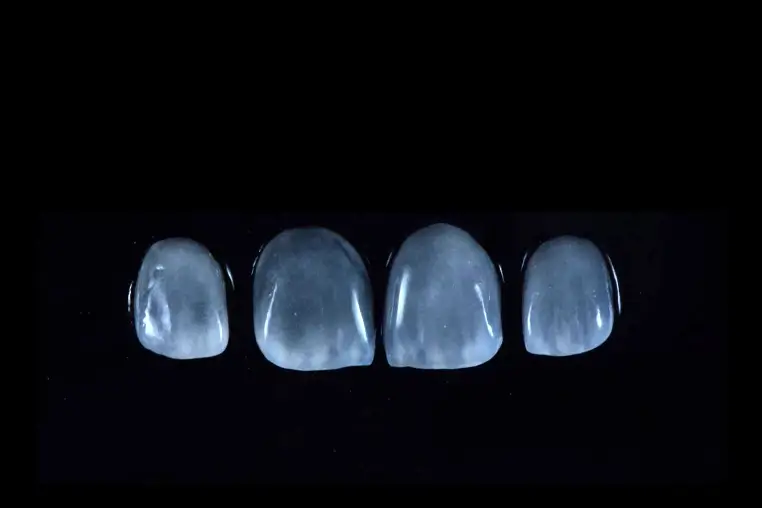

In modern dental laboratories, PMMA material plays an important role in the fabrication of temporary restorations, diagnostic models, and digital prosthetic solutions. With the rapid development of CAD/CAM dentistry, PMMA discs and blocks have become widely used materials for provisional restorations and treatment planning.
At JoyDentalab, digital manufacturing technologies combined with high-quality dental materials allow our technicians to produce accurate and efficient restorations for dental clinics and dental laboratories worldwide.
This article explains what PMMA material is, how it is used in dental laboratories, and why it remains an essential component in modern digital dentistry.
What Is PMMA Material in Dentistry?
PMMA material refers to Polymethyl methacrylate, a transparent thermoplastic polymer widely used in both medical and dental fields.
In dentistry, PMMA is typically manufactured as CAD/CAM milling blocks or discs that can be processed using digital manufacturing equipment.
Dental PMMA materials are engineered to provide:
- consistent density for milling
- dimensional stability
- good polishability
- aesthetic appearance for provisional restorations
Because of these characteristics, PMMA is widely used in modern Digital dentistry workflows.
Common Applications of PMMA Material in Dentistry
Dental laboratories use PMMA materials in a variety of clinical and laboratory applications.
Temporary Crowns and Bridges
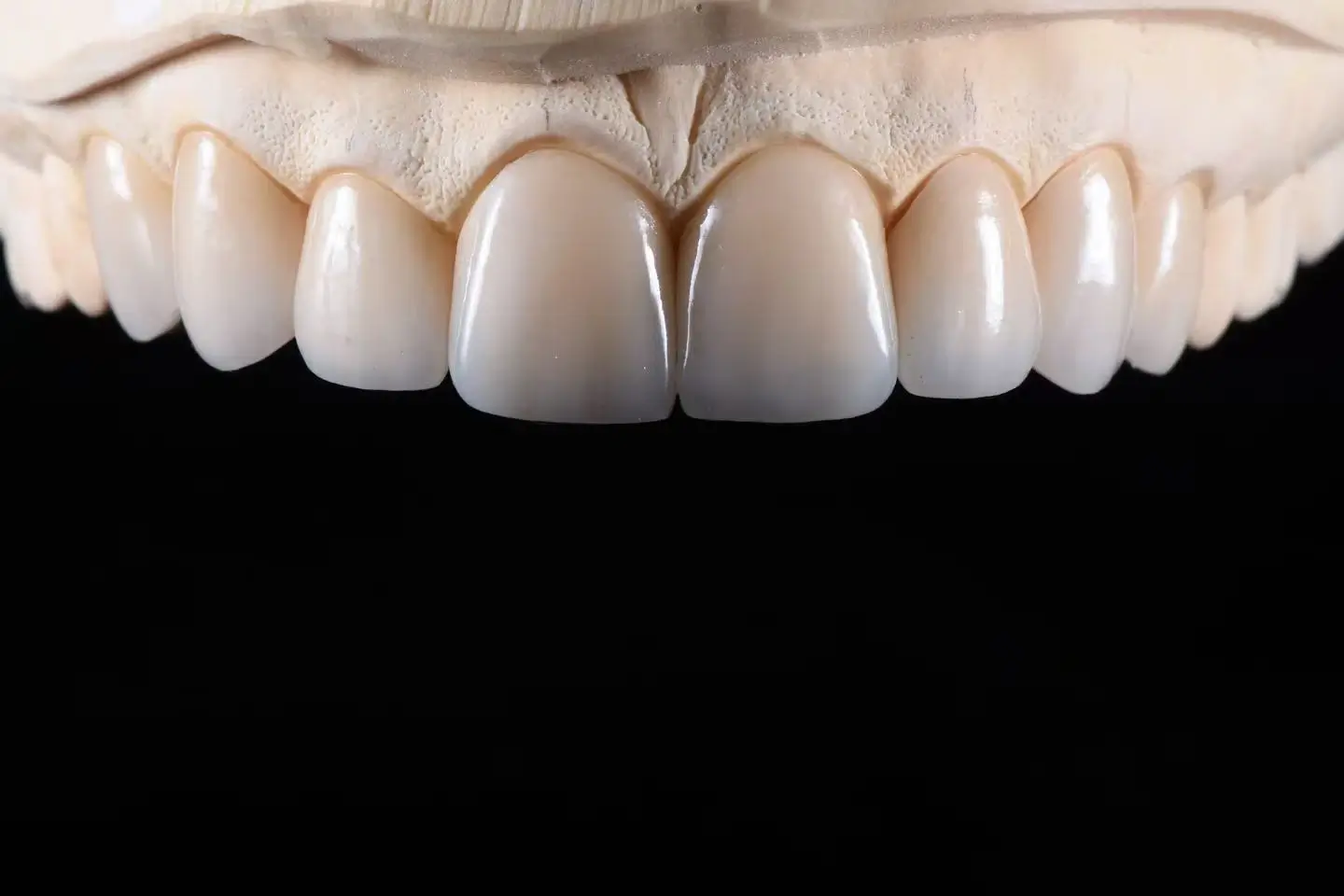
One of the most common uses of PMMA is for temporary crowns and bridges. These restorations protect prepared teeth and maintain function while the final prosthesis is being fabricated.
PMMA provisional restorations provide:
- acceptable aesthetics
- comfortable fit
- easy adjustment for dentists
Implant Surgical Guides
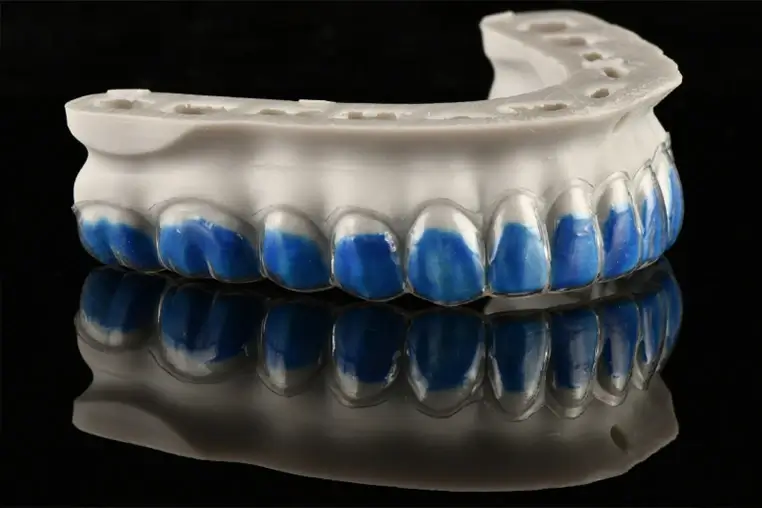
PMMA is also commonly used to manufacture implant surgical guides that assist clinicians in precise implant placement.
These guides are part of modern Dental implant surgery workflows and are typically produced using CAD/CAM or 3D printing technologies.
Diagnostic Prosthetic Planning
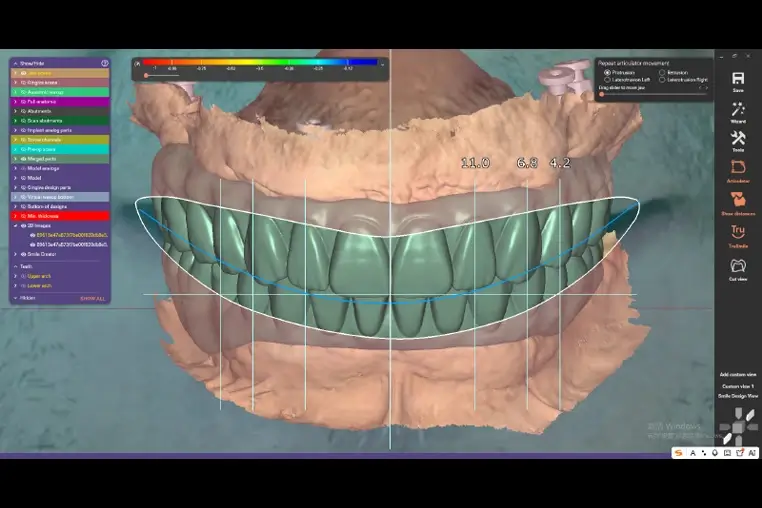
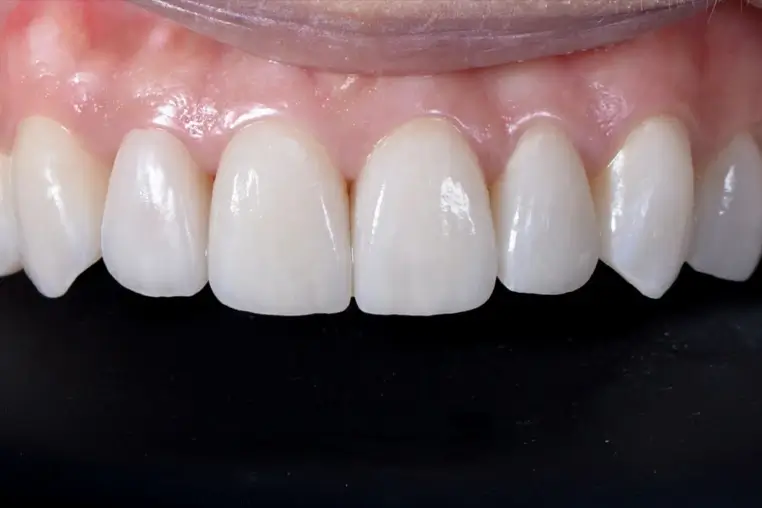
PMMA restorations are frequently used for diagnostic mock-ups or digital smile design cases, allowing dentists and patients to evaluate treatment outcomes before the final restorations are fabricated.
This approach is commonly used in complex restorative treatments and aesthetic dentistry.
Long-Term Provisional Restorations
High-density PMMA materials can also be used for long-term provisional prostheses, particularly in implant rehabilitation cases that require extended healing periods.
Advantages of PMMA Material in Digital Dental Laboratories
PMMA continues to be widely used in dental laboratories because of several important advantages.
Excellent Machinability
PMMA is highly compatible with digital manufacturing technologies such as Computer-aided manufacturing, allowing dental laboratories to mill restorations quickly and accurately.
Stable Aesthetic Performance
Modern PMMA materials are available in multiple shades and translucency levels, enabling technicians to produce natural-looking provisional restorations.
Lightweight and Comfortable
PMMA restorations are lightweight, making them comfortable for patients during temporary treatment phases.
Cost-Effective for Temporary Restorations
Compared with permanent ceramic materials, PMMA provides a cost-efficient option for provisional restorations while maintaining acceptable clinical performance.
JoyDentalab’s Perspective on PMMA in Laboratory Workflows
From a dental laboratory perspective, PMMA materials are essential for efficient digital workflows.
At JoyDentalab, PMMA materials are commonly used for:
- temporary crowns and bridges
- implant provisional restorations
- diagnostic prosthetic planning
- digital surgical guides
By combining digital design systems with precision milling technologies, our technicians can produce PMMA restorations that help dentists evaluate treatment plans and maintain function during the restorative process.
For dental clinics and laboratories seeking outsourcing partners, experienced laboratories can significantly improve the efficiency of provisional restoration production.
Material Standards and Regulatory Compliance
Dental materials used in professional laboratories must comply with strict international medical standards.
Many dental materials are manufactured according to regulatory requirements, such as:
CE marking
U.S. Food and Drug Administration
These regulatory frameworks ensure the safety, traceability, and quality of dental materials used in clinical treatment.
Conclusion
PMMA material remains an essential component in modern digital dentistry. Its machinability, affordability, and stable performance make it an ideal material for temporary restorations, implant planning, and diagnostic prosthetic design.
As digital dentistry continues to evolve, PMMA will remain an important material within dental laboratory workflows.
At JoyDentalab, digital design expertise combined with advanced manufacturing technologies allows our technicians to deliver reliable restorations for dental clinics and dental laboratories worldwide.
References
- Polymethyl Methacrylate (PMMA) – Wikipedia
- https://en.wikipedia.org/wiki/Polymethyl_methacrylate
- Digital Dentistry – Wikipedia
- https://en.wikipedia.org/wiki/Digital_dentistry
- Dental Implant – Wikipedia
- https://en.wikipedia.org/wiki/Dental_implant
- U.S. Food and Drug Administration – Medical Devices
- https://www.fda.gov/medical-devices
- CE Marking – European Commission
- https://single-market-economy.ec.europa.eu/single-market/ce-marking_en