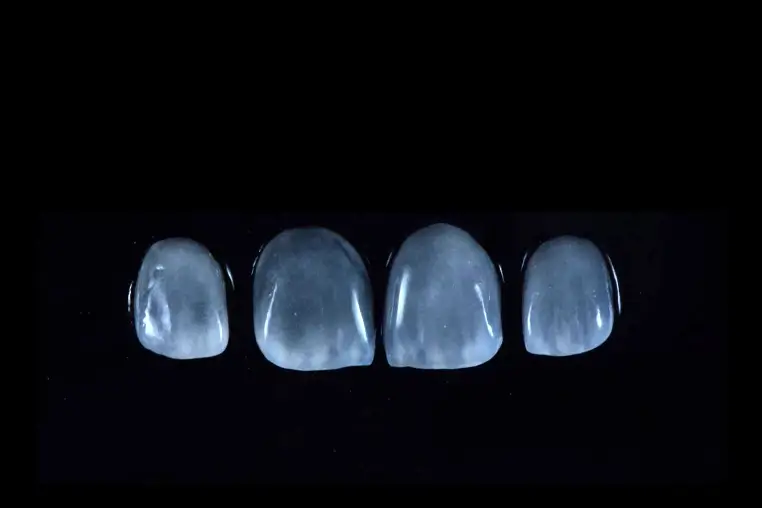

As digital dentistry continues to evolve, the materials used in dental restorations have expanded beyond traditional ceramics and metals. One of the most important developments in modern restorative dentistry is the use of dental ingot materials, particularly glass ceramic ingots used in advanced pressable restoration techniques.
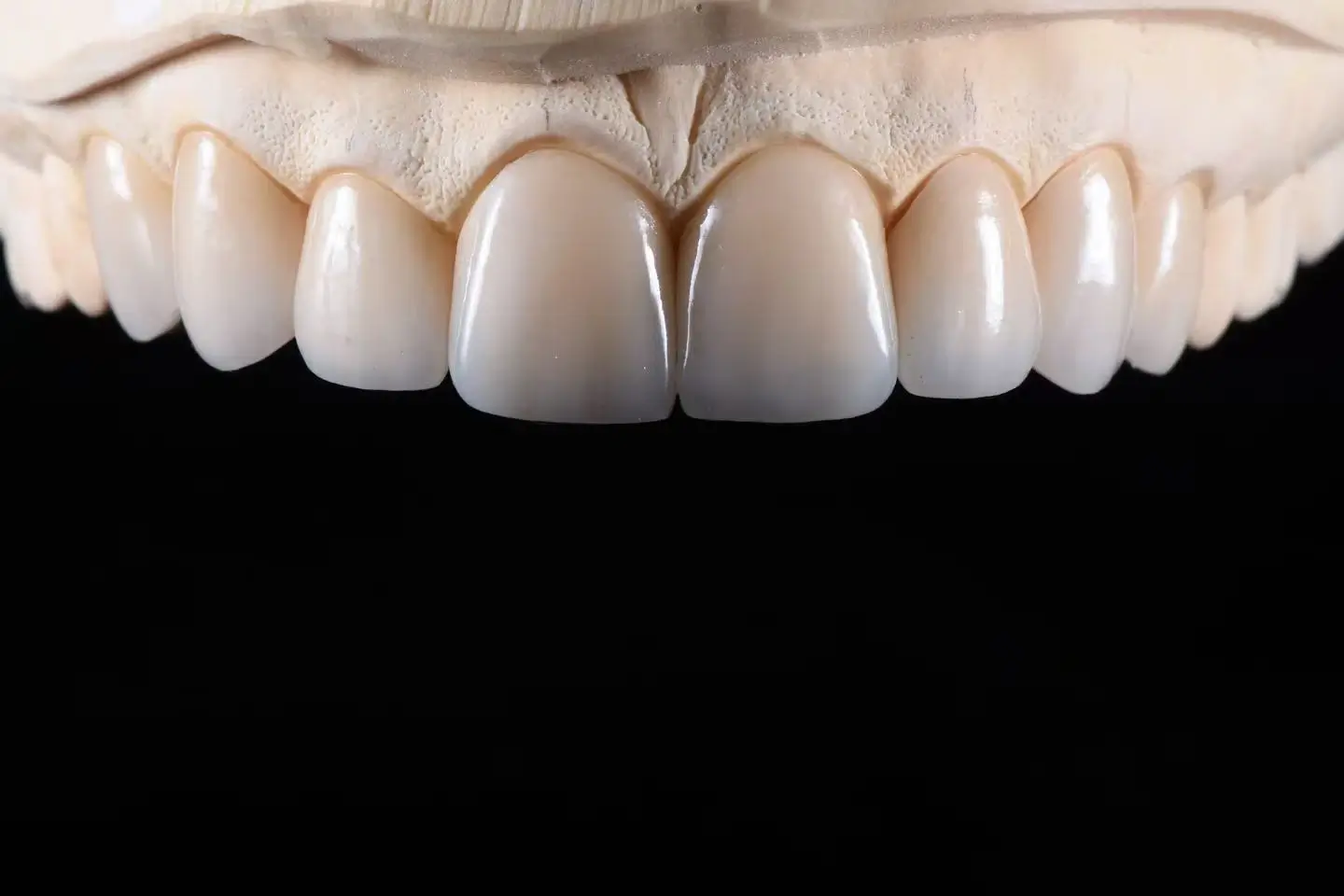
Dental ingots are widely used in the production of highly aesthetic restorations such as crowns, veneers, inlays, and onlays. These materials combine excellent translucency with reliable mechanical strength, making them an ideal solution for anterior and cosmetic dental restorations.
At JoyDentalab, a leading dental laboratory in China serving global dental labs and clinics, we use internationally recognized FDA and CE-certified dental ingot materials to manufacture high-quality restorations through advanced pressing and digital workflows. Our goal is to help dental professionals outsource restorations with consistent quality and predictable results.
What Are Dental Ingots?
Dental ingots are solid blocks of dental ceramic materials used in pressable ceramic restoration techniques. These ingots are typically heated in a high-temperature pressing furnace and pressed into a mold to form the final restoration.
Dental ingots are most commonly made from lithium disilicate glass ceramic, which offers an ideal balance of strength and aesthetics.
The pressing process usually follows these steps:
- Digital or manual restoration design
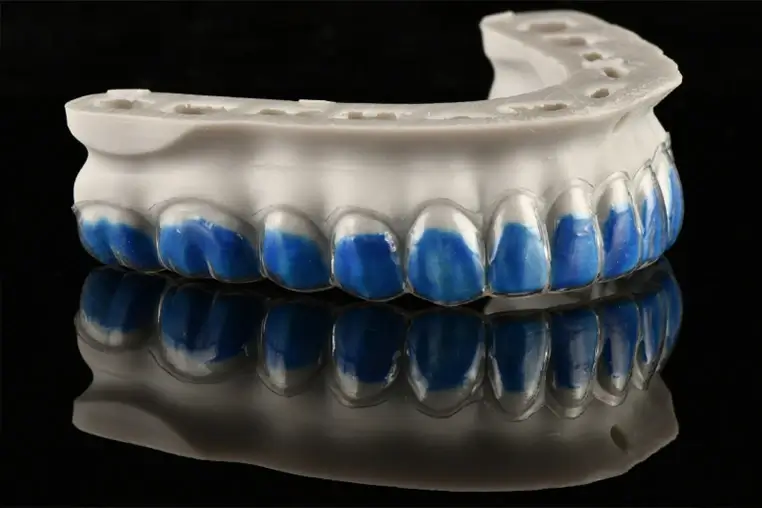
- Wax pattern fabrication
- Investment mold creation
- High-temperature pressing using ceramic ingots
- Finishing, staining, and glazing
This manufacturing method allows dental laboratories to produce restorations with a precise fit and natural aesthetics.
Common Types of Dental Ingot Materials
Dental laboratories use different types of ingots depending on restoration requirements and aesthetic expectations.
Lithium Disilicate Ingots
Lithium disilicate is one of the most widely used materials for pressable ceramic restorations.
This material offers several key advantages:
- high translucency for natural aesthetics
- flexural strength around 360–400 MPa
- excellent bonding capability with dental cements
Lithium disilicate ingots are commonly used for:
- anterior crowns
- veneers
- inlays and onlays
- cosmetic restorations
One well-known commercial system for lithium disilicate press ceramics is IPS e.max.
Leucite-Reinforced Glass Ceramic Ingots
Leucite-reinforced ceramics are another type of pressable dental ingot material. Although slightly less strong than lithium disilicate, they provide excellent optical properties.
They are frequently used in:
- veneers
- single crowns
- cosmetic anterior restorations
Because of their natural translucency, they are suitable for highly aesthetic cases.
Advantages of Dental Ingot Restorations
Superior Aesthetic Results
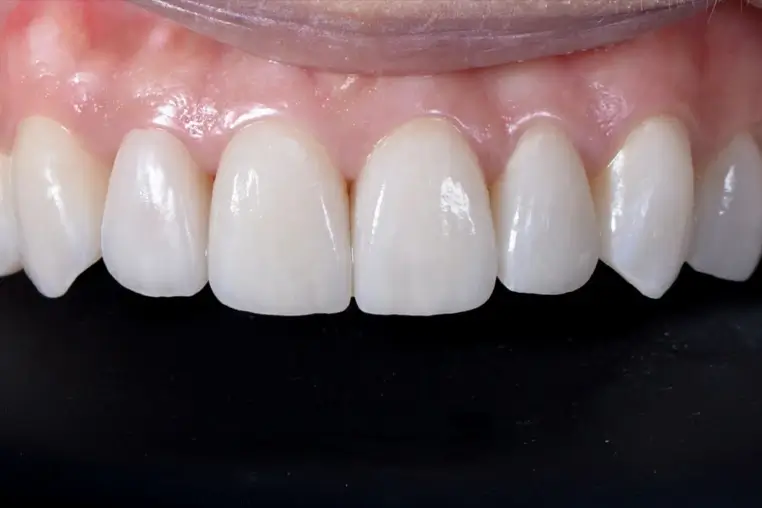
One of the main advantages of dental ingots is their ability to produce restorations that closely resemble natural tooth enamel.
Glass ceramic ingots provide:
- excellent translucency
- natural light transmission
- smooth surface texture
These characteristics make them particularly suitable for cosmetic dentistry and anterior restorations.
Precise Fit Through Press Technology
The pressable ceramic technique allows restorations to be formed within highly accurate molds, ensuring precise marginal fit.
Compared with traditional layering techniques, press ceramics can achieve:
- consistent thickness
- accurate margins
- predictable restoration shapes
This precision improves both function and longevity.
Strong Bonding with Tooth Structure
Glass ceramic materials produced from dental ingots can be etched and bonded using resin cement systems.
This adhesive bonding provides:
- improved restoration retention
- enhanced fracture resistance
- minimally invasive preparation requirements
As a result, dental ingot restorations are widely used in conservative cosmetic dentistry.
Digital Workflow Integration with Dental Ingot Production
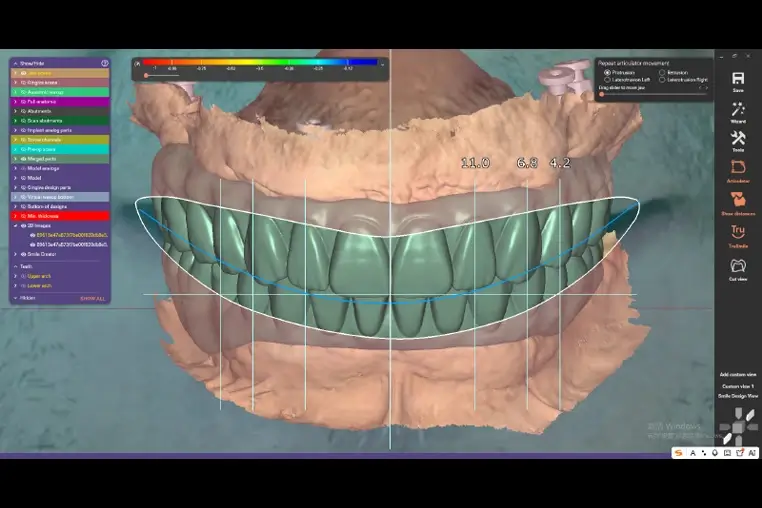
Although dental ingots are traditionally associated with manual wax-up techniques, they are now widely integrated with digital dental workflows.
Modern laboratories often use a hybrid workflow:
Digital Design
Technicians design restorations using dental CAD software, ensuring accurate occlusion and anatomical morphology.
Wax Pattern Milling or Printing
The wax pattern can be produced through:
CAD/CAM wax milling
3D printed wax patterns
This step improves design consistency.
Pressing with Ceramic Ingots
The wax pattern is invested and burned out, and the selected glass ceramic ingot is pressed into the mold using high temperature.
Final Finishing
Technicians perform:
staining
glazing
polishing
quality inspection
This hybrid digital-press technique combines the advantages of both digital design and traditional ceramic pressing.
International Certification for Dental Materials
Material safety and regulatory compliance are essential in dental manufacturing.
At JoyDentalab, we only work with dental ingot materials supplied by internationally recognized manufacturers that comply with strict regulatory standards.
These materials typically hold certifications from organizations such as:
- U.S. Food and Drug Administration
- CE marking
These certifications confirm that the materials meet international safety, quality, and manufacturing requirements for dental medical devices.
By using certified materials, dental laboratories and clinics can ensure the reliability and long-term performance of their restorations.
JoyDentalab Insight: Selecting the Right Ingot Material
From our experience serving dental laboratories worldwide, choosing the correct ingot material is essential for achieving optimal clinical outcomes.
For example:
- Veneers often require highly translucent glass ceramics.
- Anterior crowns demand both strength and aesthetics.
- Minimally invasive restorations benefit from strong adhesive bonding materials.
At JoyDentalab, our technicians carefully evaluate each case and select the most appropriate internationally certified glass ceramic ingot materials to achieve the best balance between aesthetics, durability, and clinical performance.
Why Dental Laboratories Outsource Ingot-Based Restorations
Many dental laboratories and clinics choose to outsource pressable ceramic restorations due to the specialized equipment and technical expertise required.
Outsourcing offers several benefits:
Access to Skilled Technicians
Pressable ceramic restorations require experienced technicians with expertise in ceramic pressing and finishing.
Consistent Material Quality
Professional laboratories use globally recognized ceramic systems that ensure reliable results.
Efficient Production
Outsourcing helps laboratories handle larger case volumes without investing in additional equipment or training.
At JoyDentalab, we combine digital design technology with experienced ceramic technicians to deliver consistent ingot-based restorations for our international partners.
Conclusion
Dental ingots play a critical role in the production of highly aesthetic glass ceramic restorations. Materials such as lithium disilicate provide an excellent balance between strength and natural appearance, making them ideal for veneers, crowns, and minimally invasive restorations.
Through advanced digital workflows and the use of internationally certified materials, dental laboratories can achieve restorations that meet both functional and aesthetic expectations.
At JoyDentalab, we are committed to supporting dental laboratories and clinics worldwide with high-quality restoration outsourcing services using FDA and CE certified dental materials from globally recognized brands. Our combination of digital design expertise and precision manufacturing ensures consistent and reliable results for every case.
References
- Lithium disilicate ceramic material overview
https://en.wikipedia.org/wiki/Lithium_disilicate - Dental porcelain and ceramic restorations
https://en.wikipedia.org/wiki/Dental_porcelain - Glass ceramics in dentistry – National Library of Medicine
https://pubmed.ncbi.nlm.nih.gov/30694032/ - Clinical performance of lithium disilicate restorations – National Institutes of Health
https://www.ncbi.nlm.nih.gov/pmc/articles/PMC6039990/