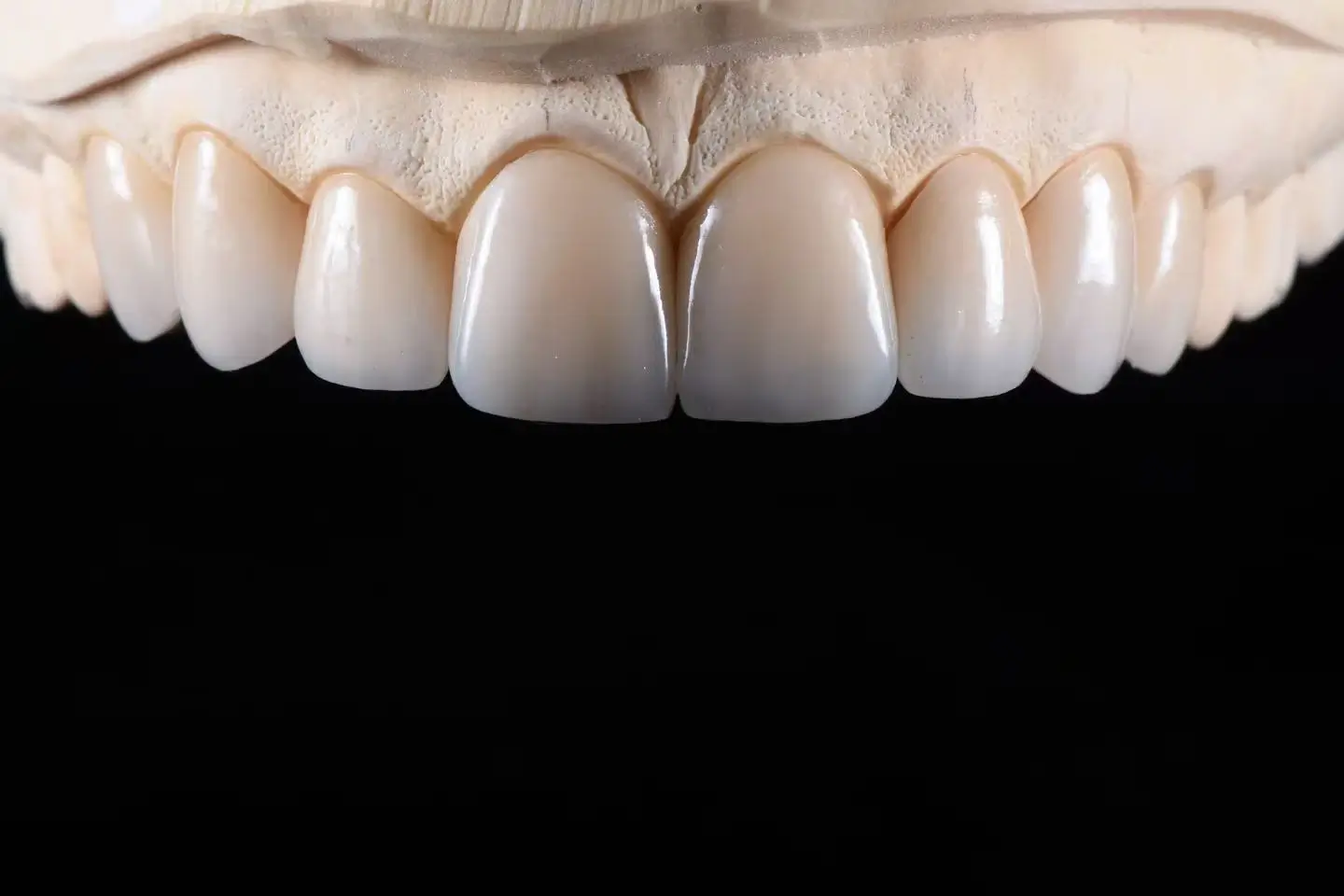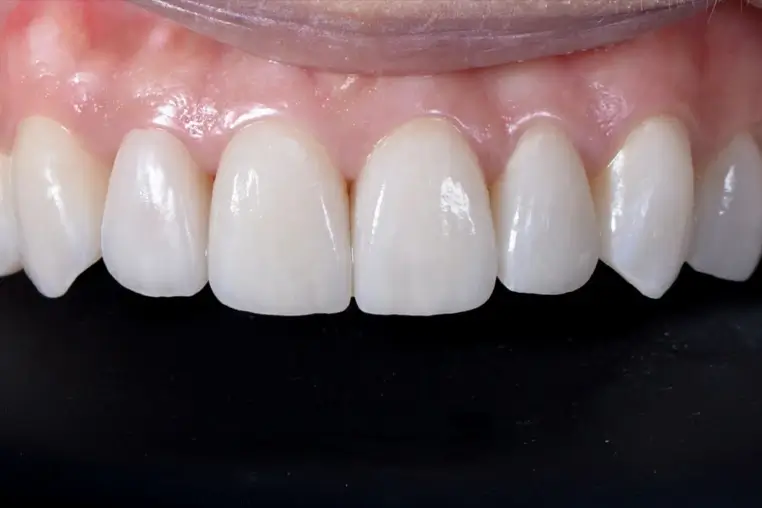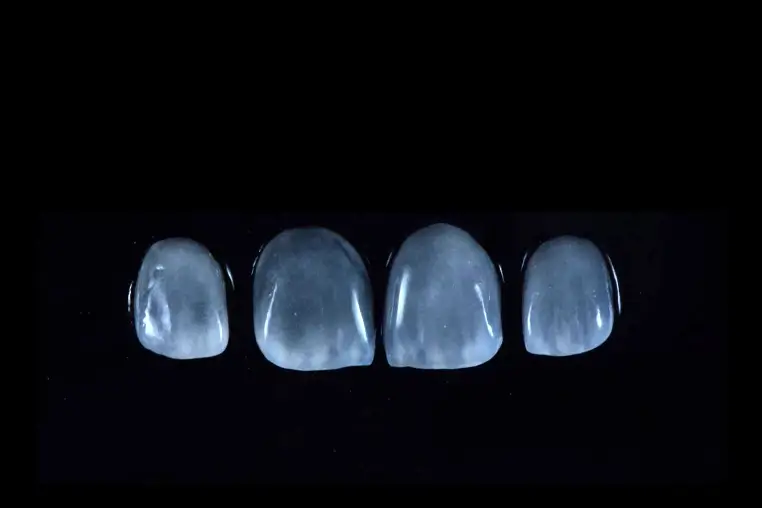

In modern restorative dentistry, material selection is essential for achieving the right balance between strength, aesthetics, and long-term clinical performance. Among the most widely used ceramic materials today, lithium disilicate has become a preferred solution for highly aesthetic dental restorations such as crowns, veneers, inlays, and onlays.
Thanks to its excellent translucency and reliable mechanical strength, lithium disilicate is widely used by dental laboratories and clinicians seeking natural-looking restorations with predictable results.
At JoyDentalab, one of the top dental laboratories in China, lithium disilicate restorations are manufactured using internationally recognized materials that meet strict FDA and CE certification standards. By combining advanced CAD/CAM workflows and pressable ceramic techniques, we help dental laboratories and clinics worldwide outsource high-quality aesthetic restorations efficiently.
What Is Lithium Disilicate?
Lithium disilicate is a glass-ceramic material composed primarily of lithium disilicate crystals embedded within a glass matrix. This structure provides both mechanical strength and optical properties that closely mimic natural tooth enamel.
The material was specifically developed for dental restorations that require both durability and high aesthetics.
Lithium disilicate is commonly used in the production of:
- anterior crowns
- veneers
- inlays and onlays
- cosmetic restorations
- implant-supported crowns in aesthetic zones
One of the most widely recognized commercial lithium disilicate systems is IPS e.max, which has become a global standard in many dental laboratories.
Key Properties of Lithium Disilicate Dental Material
Excellent Aesthetic Performance
One of the main reasons lithium disilicate is widely used is its exceptional optical properties.
Compared with many traditional dental ceramics, lithium disilicate offers:
1.high translucency
2.natural light diffusion
3.enamel-like appearance
These characteristics allow restorations to blend seamlessly with surrounding natural teeth, making lithium disilicate ideal for cosmetic dentistry and anterior restorations.
Reliable Mechanical Strength
Despite being a highly aesthetic glass ceramic, lithium disilicate also provides strong mechanical performance.
Typical lithium disilicate restorations offer:
- flexural strength around 360–400 MPa
- excellent fracture resistance
- long-term clinical durability
This strength allows lithium disilicate to be used not only for veneers but also for single crowns and small bridges in many clinical situations.
Strong Adhesive Bonding
Lithium disilicate restorations can be etched and bonded using resin cement systems.
This bonding capability provides several advantages:
- stronger retention
- improved marginal seal
- reduced risk of restoration failure
As a result, lithium disilicate supports minimally invasive tooth preparation, which helps preserve more natural tooth structure.
Manufacturing Methods for Lithium Disilicate Restorations
Lithium disilicate restorations can be produced using two primary manufacturing techniques in modern dental laboratories.
Pressable Ceramic Technique
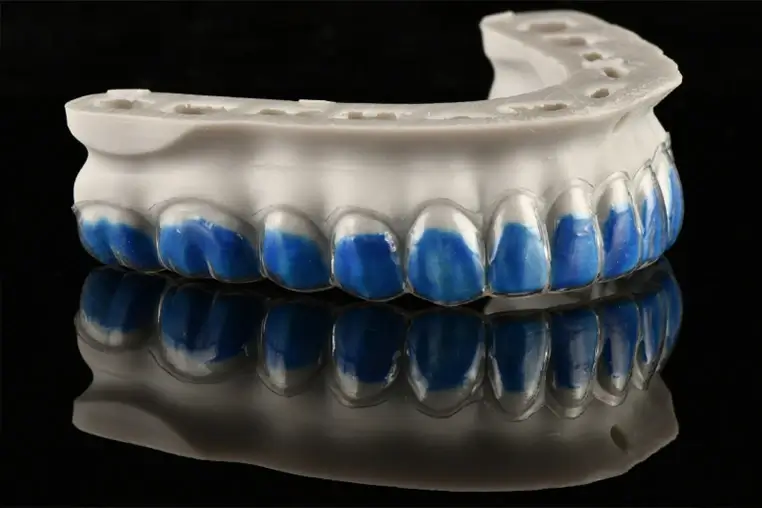
The pressable technique uses ceramic ingots that are heated and pressed into molds to form the restoration.
This method involves:
- Wax pattern fabrication
- Investment mold creation
- High-temperature ceramic pressing
- Finishing and glazing
Pressable lithium disilicate is widely used for veneers, crowns, and cosmetic restorations requiring precise anatomical detail.
CAD/CAM Milling
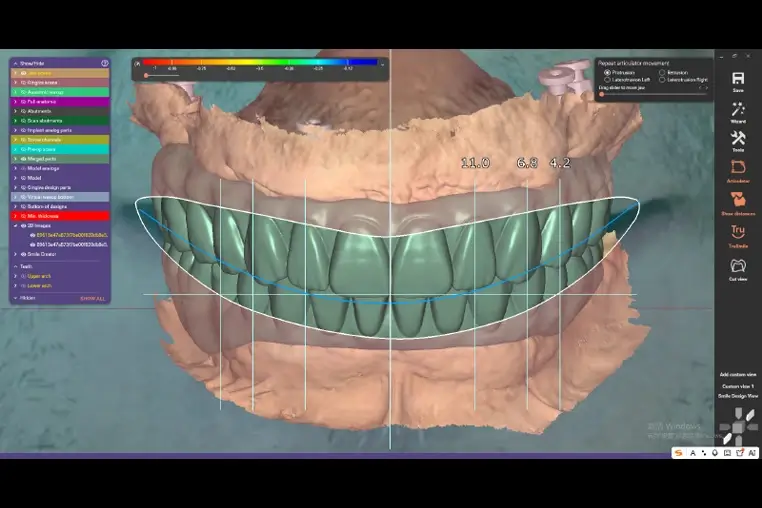
With the rise of digital dentistry, lithium disilicate can also be manufactured using CAD/CAM technology.
The workflow typically includes:
- digital scanning or intraoral scanning
- CAD restoration design
- milling from lithium disilicate blocks
- crystallization firing
- final finishing
This digital workflow improves production efficiency while maintaining consistent restoration quality.
Advantages of Lithium Disilicate Compared with Other Dental Materials
Lithium disilicate occupies an important position between traditional ceramics and high-strength zirconia.
Compared with zirconia, lithium disilicate offers:
- higher translucency
- superior aesthetics for anterior teeth
- excellent bonding capability
Compared with traditional feldspathic ceramics, lithium disilicate provides:
- significantly higher strength
- improved durability
- broader clinical applications
Because of these advantages, lithium disilicate is widely considered one of the most versatile materials for esthetic dental restorations.
International Certification for Dental Materials
Material safety and regulatory compliance are critical in dental restoration manufacturing.
At JoyDentalab, we only use lithium disilicate materials supplied by internationally recognized manufacturers that comply with strict regulatory standards.
These materials typically carry certifications from:
U.S. Food and Drug Administration
CE marking
These certifications ensure that the materials meet global medical device regulations regarding safety, quality, and manufacturing standards.
Using certified materials helps dental laboratories and clinics ensure the reliability and long-term success of their restorations.
JoyDentalab Insight: When to Choose Lithium Disilicate
Based on our experience working with dental laboratories worldwide, lithium disilicate is particularly suitable for restorations where aesthetics are a top priority.
Typical indications include:
- anterior crowns
- cosmetic veneers
- inlays and onlays
- minimally invasive restorations
For restorations that require extremely high strength, such as long-span bridges or heavy occlusal load cases, materials such as zirconia may be more appropriate.
At JoyDentalab, our technicians evaluate each case individually and recommend the most suitable material to ensure optimal clinical performance.
Why Dental Laboratories Outsource Lithium Disilicate Restorations
As aesthetic dentistry continues to grow, many dental laboratories and clinics choose to outsource lithium disilicate restorations to specialized laboratories.
The main advantages include:
Access to Experienced Ceramic Technicians
Producing high-quality glass ceramic restorations requires skilled technicians experienced in ceramic pressing, staining, and glazing.
Consistent Material Quality
Professional laboratories work with globally recognized ceramic systems that ensure predictable restoration results.
Scalable Production Capacity
Outsourcing allows laboratories to manage larger case volumes without investing in additional equipment or training.
At JoyDentalab, we combine digital CAD/CAM design, precision manufacturing, and internationally certified materials to provide reliable lithium disilicate restorations for dental laboratories worldwide.
Conclusion
Lithium disilicate has become one of the most important materials in modern aesthetic dentistry. Its unique combination of strength, translucency, and bonding capability makes it ideal for crowns, veneers, and other cosmetic restorations.
Through advanced digital workflows and high-quality certified materials, dental laboratories can deliver restorations that meet both functional and aesthetic expectations.
At JoyDentalab, we are committed to supporting dental laboratories and clinics worldwide with high-quality restoration outsourcing services using FDA and CE-certified materials from internationally recognized brands. Our expertise in digital dentistry and ceramic manufacturing ensures reliable, consistent results for every restoration.
References
- Lithium disilicate glass ceramic overview
https://en.wikipedia.org/wiki/Lithium_disilicate - Dental porcelain and ceramic restorations
https://en.wikipedia.org/wiki/Dental_porcelain - Clinical performance of lithium disilicate restorations – National Library of Medicine
https://pubmed.ncbi.nlm.nih.gov/29587964/ - Glass ceramics in dentistry – National Institutes of Health
https://www.ncbi.nlm.nih.gov/pmc/articles/PMC6039990/