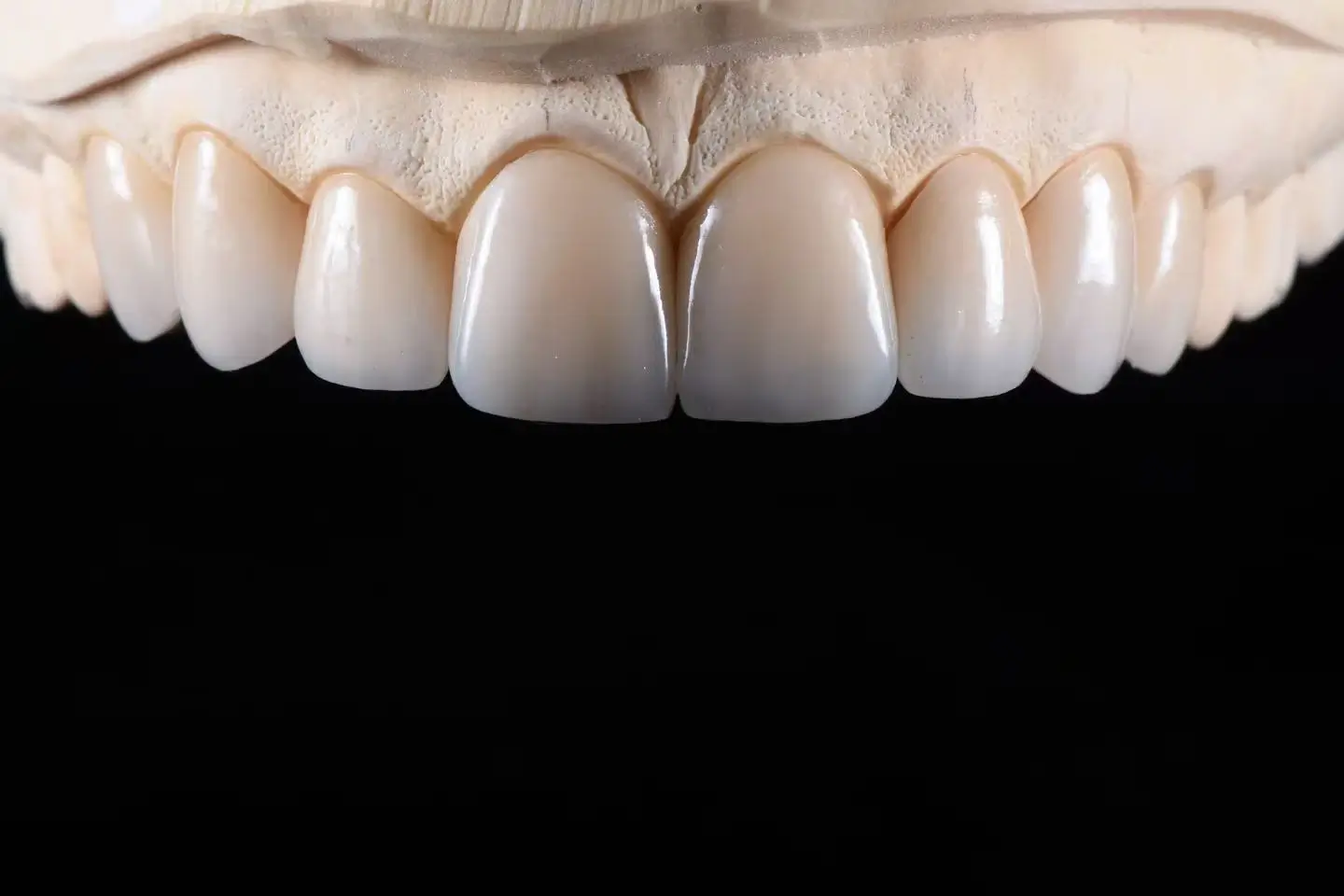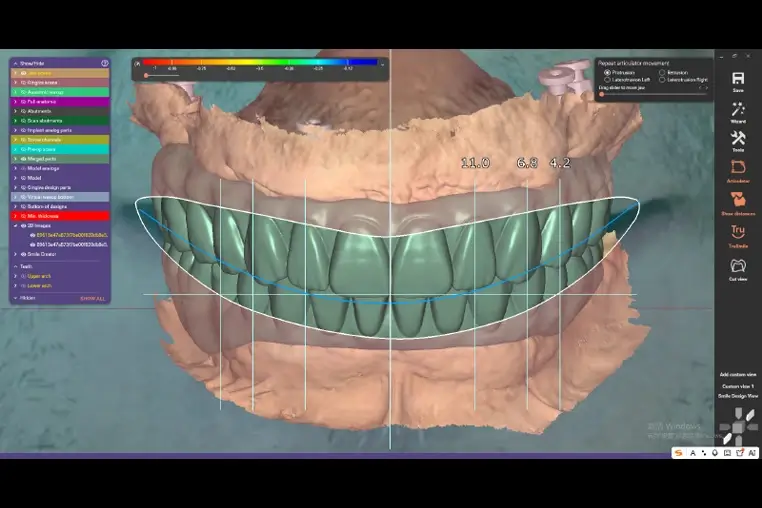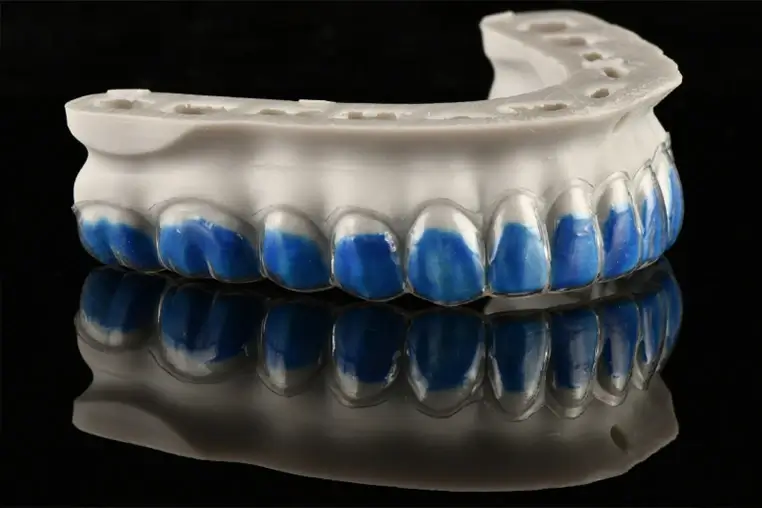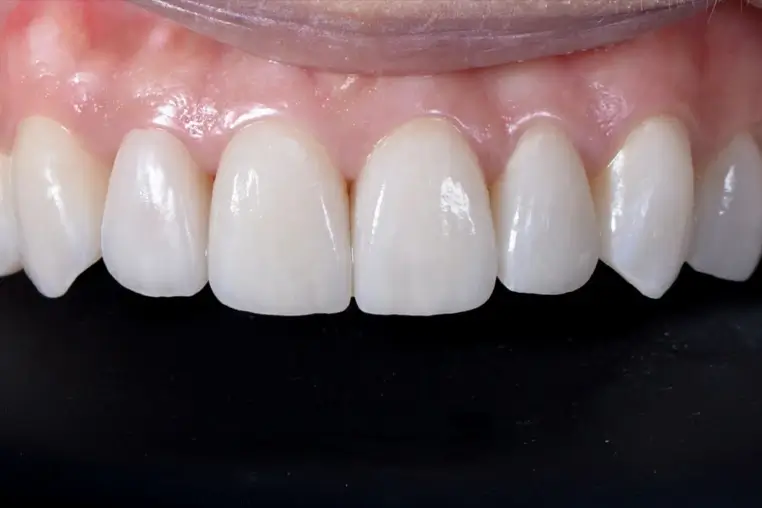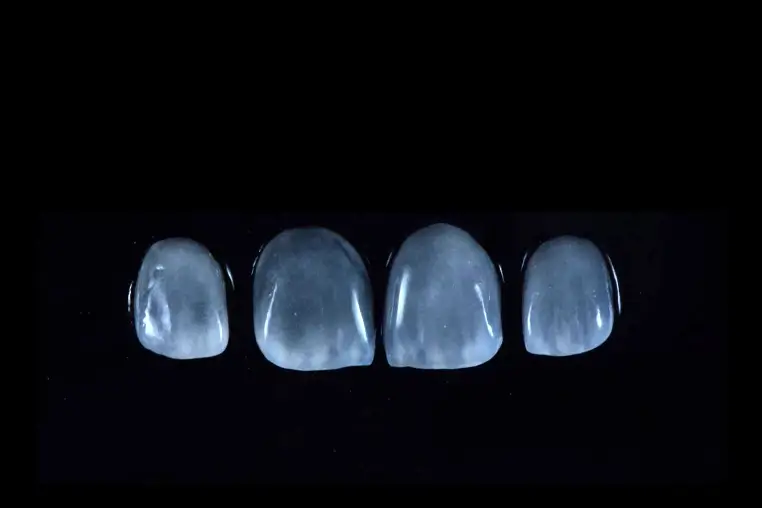

In the era of digital dentistry and CAD/CAM manufacturing, material selection plays a critical role in determining the strength, aesthetics, and longevity of dental restorations. Among the many materials used in dental laboratories today, dental zirconia has become one of the most widely adopted solutions for crowns, bridges, and implant-supported restorations.
At JoyDentalab, one of the top dental laboratories in China, zirconia-based restorations represent a significant portion of our global production. By combining advanced CAD/CAM zirconia milling technology with internationally certified zirconia materials that meet FDA and CE standards, we help dental laboratories and clinics outsource high-quality restorations with confidence.
This article explores the properties of dental zirconia, its advantages in modern restorative dentistry, and why it has become the preferred material for many laboratories and clinicians worldwide.
What Is Dental Zirconia?
Dental zirconia refers to zirconium dioxide (ZrO₂), a high-performance ceramic material widely used in dentistry due to its exceptional mechanical strength, durability, and biocompatibility.
Zirconia is commonly processed using CAD/CAM dental milling systems, where zirconia blocks are milled into crowns, bridges, or implant frameworks before undergoing high-temperature sintering.
Compared with traditional metal-based restorations, zirconia offers several key advantages:
- excellent fracture resistance
- natural tooth-like color
- superior biocompatibility
- long-term durability
Because of these characteristics, zirconia has become a dominant material in digital dental restorations.
Why Dental Zirconia Is Widely Used in Dental Laboratories
Exceptional Mechanical Strength
One of the most important reasons for the widespread adoption of zirconia is its high flexural strength.
Depending on the zirconia formulation, flexural strength can reach 900–1200 MPa, which is significantly higher than many other dental ceramic materials.
This strength allows zirconia to be used for:
- posterior crowns
- long-span bridges
- implant-supported prosthetics
- full-arch restorations
For dental laboratories producing high-load restorations, zirconia provides reliable structural performance.
Natural Aesthetic Appearance
Early generations of zirconia were known for their strength but lacked translucency. However, modern multilayer zirconia materials have significantly improved aesthetic performance.
Advanced zirconia blocks now feature:
- multilayer shading gradients
- enhanced translucency
- natural enamel-like appearance
These improvements allow zirconia to be used in both posterior and anterior restorations, meeting increasing aesthetic demands.
Excellent Biocompatibility
Zirconia is highly biocompatible and does not cause allergic reactions commonly associated with certain metal alloys.
For this reason, zirconia is particularly suitable for:
- patients with metal sensitivities
- implant restorations
- long-term prosthetic applications
Its compatibility with soft tissues also contributes to a healthy gingival response.
Types of Dental Zirconia Materials Used in CAD/CAM Dentistry
Dental zirconia materials have evolved significantly over the past decade. Modern dental laboratories typically work with several different zirconia categories depending on clinical requirements.
Monolithic Zirconia
Monolithic zirconia restorations are milled from a single zirconia block and do not require porcelain layering.
Advantages include:
exceptional strength
minimal chipping risk
simplified production workflow
This type is commonly used for posterior crowns and bridges.
High Translucent Zirconia
High translucent zirconia improves aesthetics while maintaining sufficient strength.
This material is frequently used for:
anterior crowns
cosmetic restorations
single-unit crowns
Multilayer Zirconia
Multilayer zirconia blocks integrate color gradients directly within the material structure.
These blocks simulate the natural transition from dentin to enamel and are widely used in modern digital dental laboratories.
International Certification Standards for Dental Zirconia
Material safety and regulatory compliance are essential considerations when selecting zirconia for dental restorations.
At JoyDentalab, we exclusively work with zirconia materials supplied by internationally recognized manufacturers that meet strict regulatory standards.
These materials typically hold certifications such as:
- U.S. Food and Drug Administration approval
- CE marking certification
These certifications confirm that the materials meet strict safety, quality, and manufacturing standards required for dental medical devices.
Using certified materials ensures that restorations produced by our laboratory comply with international clinical requirements.
CAD/CAM Workflow for Zirconia Restorations
Modern zirconia restorations are manufactured using a digital workflow that integrates scanning, CAD design, and CAM milling technologies.
Digital Impression or Scan
The process begins with either an intraoral scan from a dental clinic or a digital scan of a physical dental model.
These scans produce STL files, which serve as the basis for digital restoration design.
CAD Design
Using specialized dental CAD software, technicians design the restoration while considering factors such as:
- occlusion
- contact points
- emergence profile
- anatomical morphology
This stage ensures that the final restoration fits accurately within the patient’s dental anatomy.
Zirconia Milling
After design completion, the restoration is milled from a zirconia block using high-precision 5-axis dental milling machines.
These advanced milling systems allow complex restoration shapes to be produced with exceptional accuracy.
High-Temperature Sintering
Once milled, zirconia restorations must undergo a sintering process at temperatures exceeding 1400°C.
Sintering increases the material density and provides its final mechanical strength.
Final Finishing and Quality Inspection
Technicians perform several finishing procedures, including:
- surface polishing
- staining and glazing
- fit verification
- occlusion inspection
At JoyDentalab, each zirconia restoration undergoes strict quality control before shipment.
JoyDentalab Insight: Choosing the Right Zirconia for Each Case
Based on our experience serving dental laboratories and clinics worldwide, selecting the correct zirconia material is essential for achieving optimal results.
For example:
- Posterior restorations often require high-strength zirconia.
- Anterior restorations prioritize translucency and aesthetics.
- Full-arch implant restorations demand both strength and dimensional stability.
At JoyDentalab, our technicians evaluate each case individually and select the most appropriate FDA and CE-certified zirconia materials from internationally recognized brands.
This approach ensures that our outsourcing partners receive restorations that balance strength, aesthetics, and clinical reliability.
Why Dental Laboratories Outsource Zirconia Production
With the increasing adoption of digital dentistry, many dental laboratories and clinics choose to outsource zirconia manufacturing to specialized laboratories.
The advantages include:
Access to Advanced Equipment
High-performance 5-axis zirconia milling machines require significant investment. Outsourcing allows laboratories to access industrial-grade production without purchasing expensive equipment.
Consistent Material Quality
Professional laboratories like JoyDentalab work with globally recognized zirconia suppliers, ensuring consistent material performance.
Scalable Production Capacity
Outsourcing also allows dental laboratories to handle larger case volumes while maintaining consistent turnaround times.
Conclusion
Dental zirconia has become one of the most important materials in modern restorative dentistry. Its combination of strength, aesthetics, and biocompatibility makes it suitable for a wide range of dental applications.
Through advanced CAD/CAM technology and internationally certified zirconia materials, laboratories can produce restorations that meet both clinical and aesthetic expectations.
At JoyDentalab, we are committed to providing dental laboratories and clinics worldwide with reliable outsourcing solutions using FDA and CE-certified zirconia materials from leading global manufacturers. By combining advanced digital workflows with strict quality control, we help our partners deliver high-quality restorations to their patients.
References
- Zirconium dioxide in dentistry
https://en.wikipedia.org/wiki/Zirconium_dioxide - CAD/CAM dentistry overview
https://en.wikipedia.org/wiki/CAD/CAM_dentistry - Accuracy and performance of zirconia dental restorations – National Library of Medicine
https://pubmed.ncbi.nlm.nih.gov/30926192/ - Zirconia in dental applications – National Institutes of Health
https://www.ncbi.nlm.nih.gov/pmc/articles/PMC6604837/