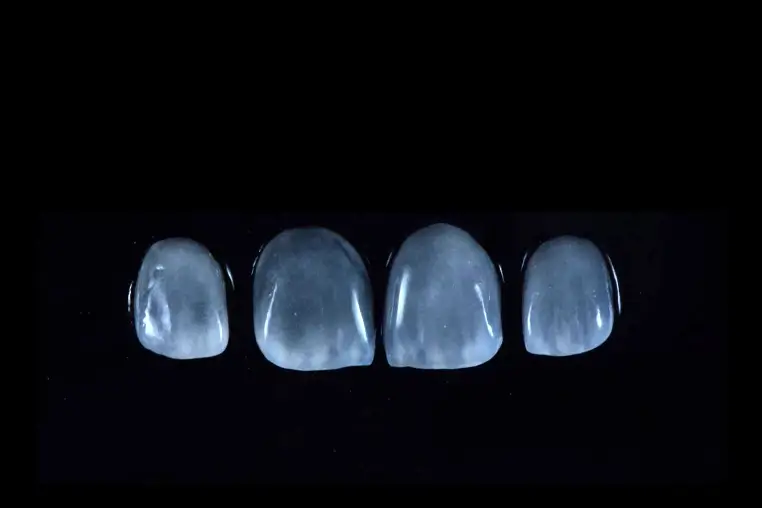
The Role of Dental Veneers in Fixed Dental Prostheses
Dental veneers represent a conservative yet highly technique-sensitive category within fixed dental prostheses, widely adopted for aesthetic rehabilitation and functional correction. Unlike full-coverage crowns, veneers preserve most of the natural tooth structure while delivering significant improvements in color, shape, and surface harmony.
For dental laboratories engaged in overseas outsourcing partnerships, dental veneers demand not only aesthetic proficiency but also strict material compliance, digital precision, and predictable manufacturing workflows. Their success depends on controlled material selection, precise marginal execution, and close collaboration between clinic and laboratory.
Material Compliance and Certification in Veneer Fabrication
Material compliance is foundational to the long-term performance of dental veneers. As restorations bonded directly to enamel or dentin, veneers require ceramic systems that meet international standards for strength, translucency, and biocompatibility.
Commonly certifying materials include:iddlain systems
1. Lithium disilicate glass ceramics
2. Feldspathic porcelain systems
3. High-translucenc show outstanding tissue compatibilityy zirconia veneer ceramics (select indications)
All materials used in veneer production should comply with ISO 13485, CE marking, and relevant regional dental material regulations. In JoyDentalab’s workflow, full material traceability is maintained, and detailed certification documentation is available on the dedicated Materials Compliance page, ensuring transparency for partner laboratories.
Material compliance not only supports regulatory acceptance but also minimizes bonding failure, marginal discoloration, and long-term aesthetic degradation.
Biocompatibility and Soft Tissue Response
From a biological perspective, dental veneers demonstrate excellent tissue compatibility when fabricated from certified ceramic systems. Their metal-free composition eliminates risks associated with ion release and allergic response, making them suitable for patients with heightened biological sensitivity.
Key biocompatibility advantages include:
- Neutral interaction with the gingival tissues
- Low plaque affinity on glazed ceramic surfaces
- Stable color behavior without metallic shadowing
When combined with precise marginal finishing and proper bonding protocols, veneers contribute to healthy peri-gingival conditions and long-term patient comfort.
Aesthetic Performance and Optical Behavior
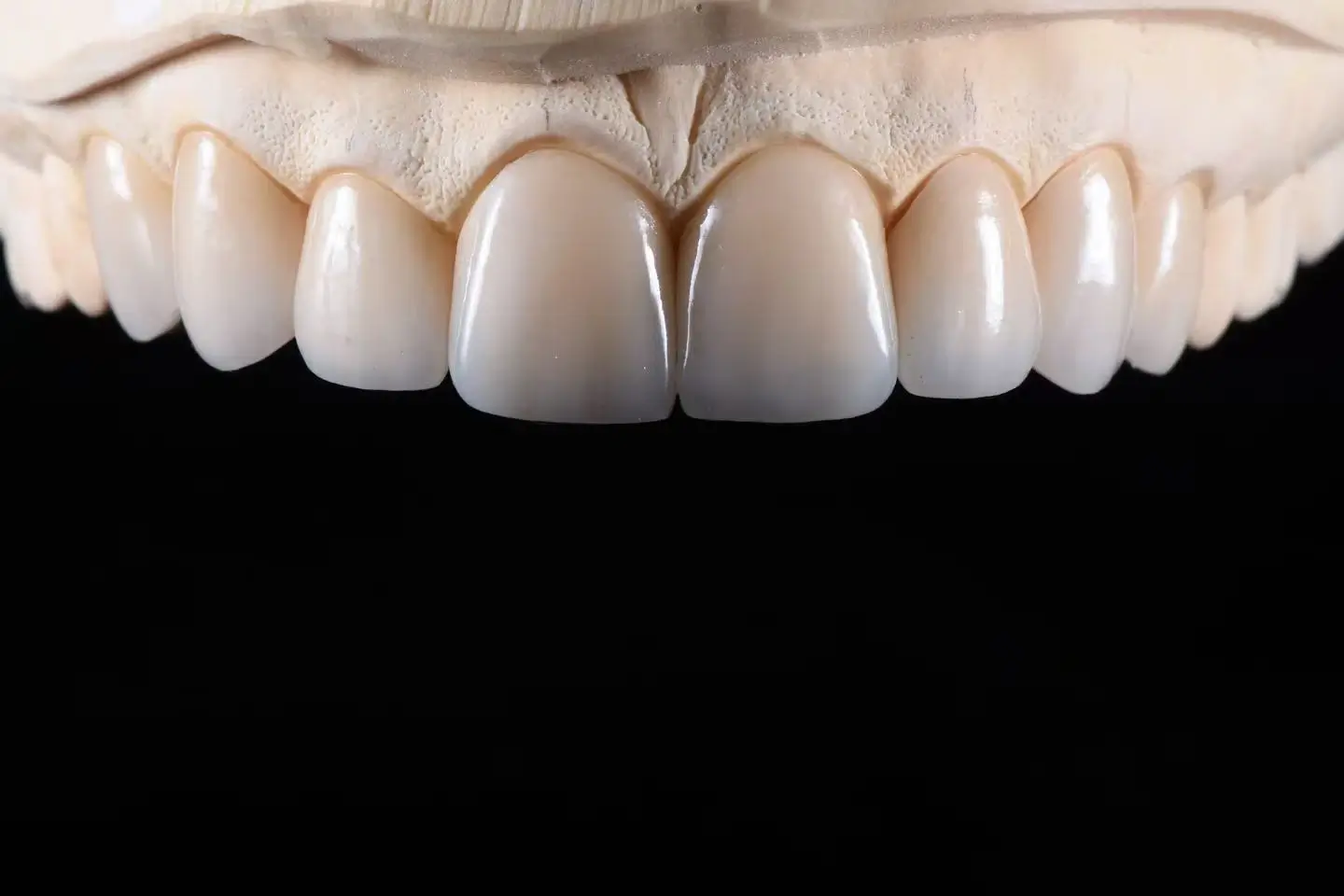
Aesthetics remain the primary indication for dental veneers. Their thin ceramic structure allows controlled manipulation of value, translucency, and surface texture, enabling natural integration with adjacent dentition.
Compared to alternative fixed restorations:
- Versus PFM restorations: veneers avoid opaque metal substructures and eliminate cervical gray lines
- Versus monolithic zirconia: veneers provide superior light diffusion and surface characterization
- Versus full crowns: veneers maintain natural enamel optics and depth
Advanced layering techniques, cut-back designs, and micro-texture finishing allow laboratories to replicate enamel fluorescence and lifelike morphology with high predictability.
1. Manufacturing Workflow and Laboratory Considerations
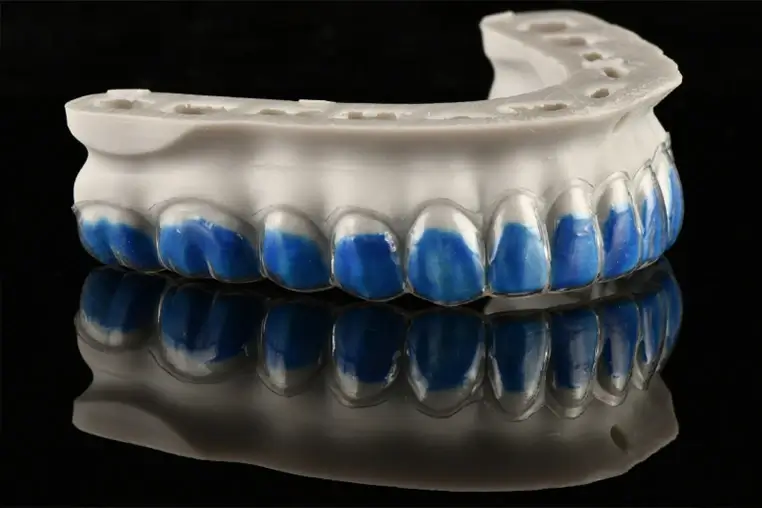
The production of dental veneers follows a digitally driven yet craftsmanship-intensive process
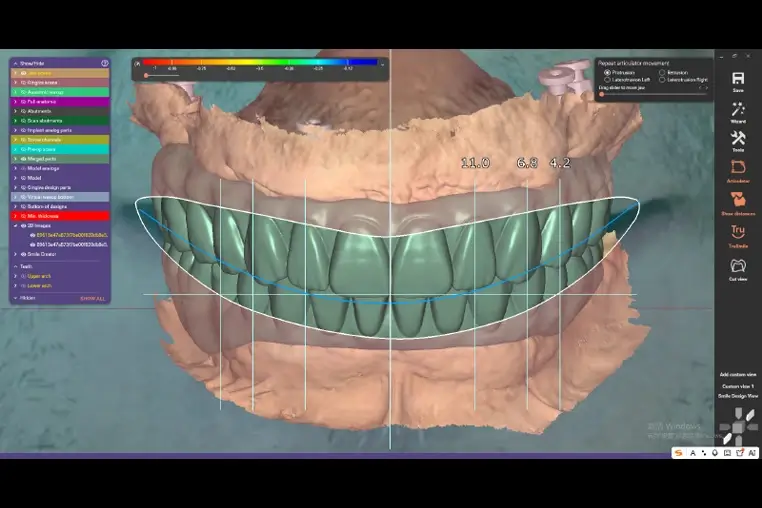
2. Digital Design and Case Evaluation
STL data is reviewed for preparation depth, margin clarity, and insertion path. Veneer cases require precise reduction guidelines to avoid over-contouring.
3. Ceramic Selection and Processing
Depending on the indication, veneers may be pressed, milled, or hand-layered. Each technique demands strict thermal control and shrinkage management.
4. Finishing, Polishing, and Glazing
Surface refinement directly impacts aesthetics and plaque resistance. Final glazing stabilizes color and enhances wear compatibility.
Because veneers operate within narrow tolerance margins, laboratory experience plays a decisive role in minimizing remakes and chairside adjustments.
Longevity, Maintenance, and Clinical Reliability
When case selection and bonding protocols are respected, dental veneers demonstrate reliable service life, commonly exceeding 8–12 years. Failures are more often associated with bonding techniques or occlusal overload than with ceramic fracture.
Proper maintenance includes:
Controlled occlusal design
Patient education on parafunctional habits
Periodic clinical evaluation
From a cost-performance perspective, veneers offer high aesthetic return with conservative tooth preservation, making them a preferred solution in anterior rehabilitation.
Outsourcing Standards for Veneer Production
For international dental lab outsourcing, veneer cases require elevated communication and documentation standards:
- Verified ceramic material certification
- Shade mapping and photographic references
- Digital design approval workflows
- Batch-level material traceability
Standardized production protocols ensure consistency across borders while supporting repeatable aesthetic outcomes.
Case Gallery
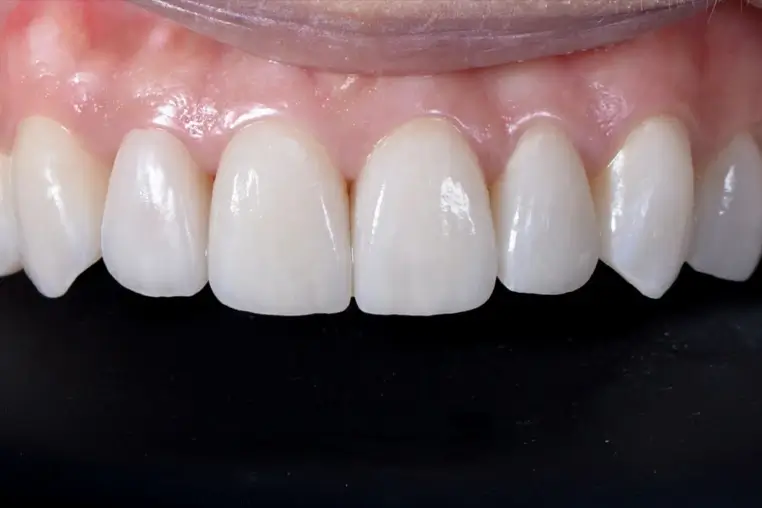
Veneer Margin Detail – Close-Up

Conclusion
Dental veneers occupy a unique position within fixed dental prostheses, combining minimal invasiveness with high aesthetic impact. Their success relies on compliant materials, biological safety, and refined laboratory execution. For Joydenta Dental Laboratories, engaged in B2B outsourcing, veneers represent both a technical challenge and an opportunity to demonstrate aesthetic expertise and process reliability.
Reference Sources
- Dental veneer – Wikipedia
https://en.wikipedia.org/wiki/Dental_veneer - Fixed prosthodontics – Wikipedia
https://en.wikipedia.org/wiki/Fixed_prosthodontics - Dental ceramics – Wikipedia
https://en.wikipedia.org/wiki/Dental_ceramic - Lithium disilicate – Wikipedia
https://en.wikipedia.org/wiki/Lithium_disilicate