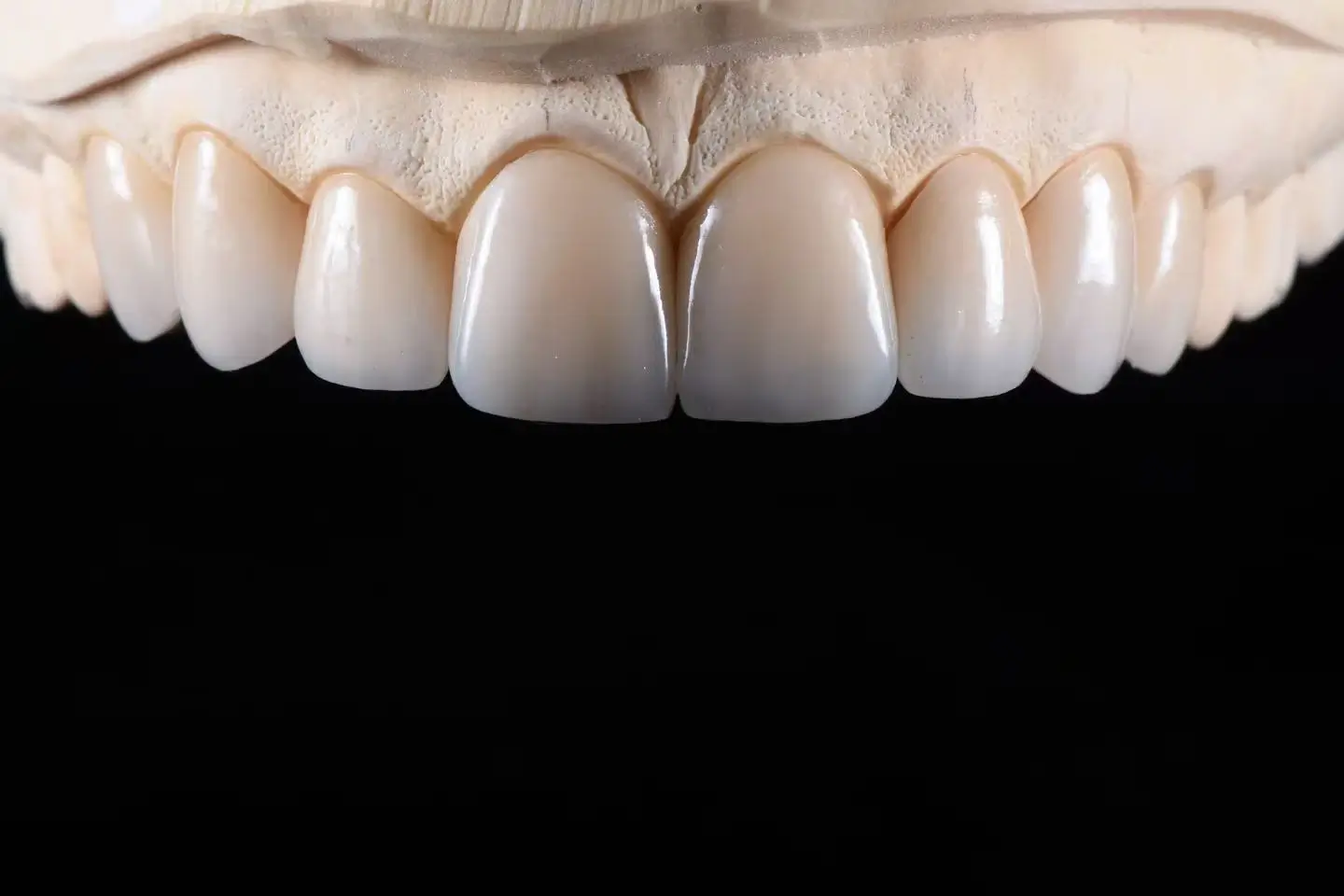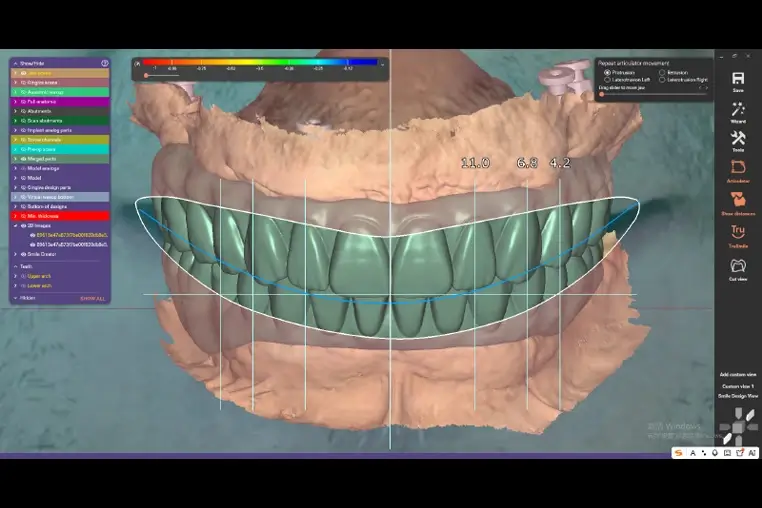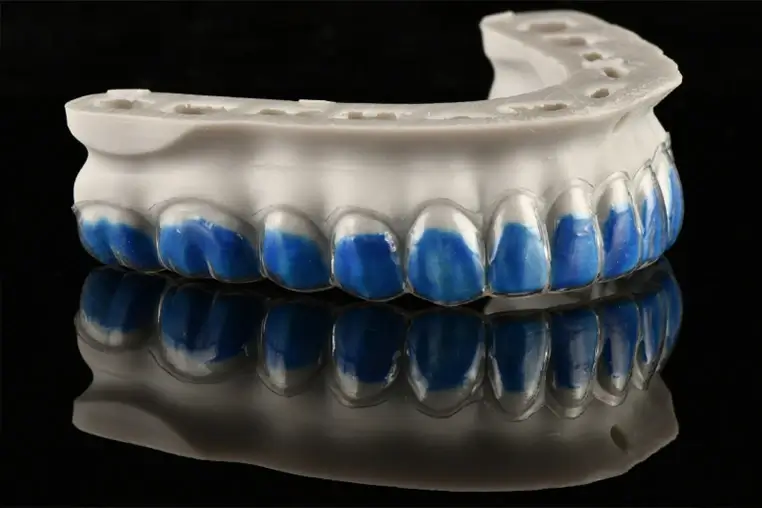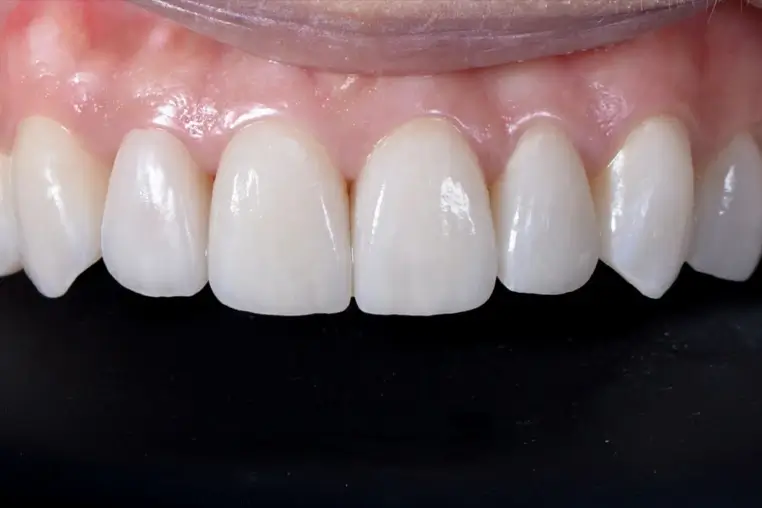
Full-arch implant rehabilitation has become one of the fastest-growing areas in modern dentistry. Patients increasingly seek fixed, long-lasting alternatives to removable dentures, while clinicians look for treatment protocols that improve efficiency, predictability, and patient satisfaction.
Among the available solutions, All-on-X implant treatment has emerged as a preferred option for many edentulous and terminal dentition cases. By strategically placing four to six implants to support a full-arch prosthesis, clinicians can often reduce surgical complexity while providing patients with immediate functional and esthetic benefits.
However, the long-term success of All-on-X implant treatment depends on much more than implant placement alone. Digital planning, prosthetic design, framework accuracy, and laboratory collaboration all play critical roles in achieving predictable outcomes.
What Is All-on-X Implant Treatment?
All-on-X implant treatment is a full-arch rehabilitation concept that uses a limited number of strategically positioned implants to support a fixed prosthesis.
The term “X” refers to the number of implants used, which may vary depending on the patient’s anatomy, bone availability, and treatment objectives.
Common treatment configurations include:
All-on-4
All-on-5
All-on-6

Compared with traditional full-mouth implant approaches that may require eight or more implants per arch, All-on-X treatment simplifies treatment planning while maintaining excellent functional support.
This approach has become increasingly popular because it balances surgical efficiency with long-term restorative stability.
Why All-on-X Implant Treatment Is Growing in Popularity
One of the primary advantages of All-on-X implant treatment is the ability to maximize available bone while minimizing surgical intervention.
By angling posterior implants into denser bone regions, clinicians can often avoid extensive bone grafting procedures. This not only reduces treatment complexity but may also shorten overall treatment timelines.
Patients often appreciate:
- Reduced surgical intervention
- Faster rehabilitation
- Fixed teeth instead of removable dentures
- Improved chewing function
- Enhanced confidence and esthetics
For clinicians, the protocol offers a predictable and well-documented treatment pathway for managing full-arch implant cases.
The Importance of Prosthetic Planning in All-on-X Cases
Although implant placement receives significant attention, prosthetic planning remains one of the most important factors influencing long-term success.
Poor prosthetic design may contribute to:
- Occlusal overload
- Implant stress
- Prosthetic fractures
- Screw loosening
- Esthetic complications
Successful All-on-X restorations require careful consideration of:
- Implant positioning
- Occlusal scheme
- Prosthetic space
- Smile design
- Material selection
- Framework strength
This is why close collaboration between clinicians and dental laboratories is essential throughout the treatment process.
Digital Workflows Improve All-on-X Predictability
Modern All-on-X implant treatment relies heavily on digital dentistry.
Digital workflows allow clinicians and laboratories to work from highly accurate datasets generated through intraoral scanning, CBCT imaging, and implant planning software.
Benefits of digital workflows include:
- Improved prosthetic accuracy
- Better communication
- Enhanced passive fit
- Reduced chairside adjustments
- More predictable restorative outcomes
For full-arch implant restorations, even minor inaccuracies can affect long-term prosthetic stability. Digital planning helps reduce these risks while improving manufacturing consistency.
Choosing the Right Material for Full-Arch Prostheses
Material selection is another critical factor in All-on-X treatment.
Depending on the clinical indication, full-arch restorations may be fabricated using:
- Monolithic zirconia
- Multilayer zirconia
- Hybrid prosthetic materials
- Titanium-supported frameworks
Among these options, zirconia has become increasingly popular due to its combination of strength, esthetics, wear resistance, and long-term durability.
Selecting the appropriate material requires balancing aesthetic expectations with functional demands and implant biomechanics.
Why Laboratory Expertise Matters in All-on-X Implant Treatment
The success of an All-on-X restoration depends heavily on laboratory precision.
Accurate framework fabrication, passive fit verification, occlusal analysis, and quality control all contribute to long-term restorative performance.
Laboratory inaccuracies may lead to:
- Framework misfit
- Mechanical complications
- Increased chairside adjustments
- Prosthetic instability
- Higher remake rates
For this reason, many implant clinics and dental laboratories partner with specialized outsourcing laboratories capable of supporting complex full-arch implant cases.
How JoyDentalab Supports All-on-X Restorations
At JoyDentalab, we provide digital manufacturing solutions for implant clinics and dental laboratories worldwide.
Our All-on-X workflow includes:
- Digital case evaluation
- CAD/CAM design
- Full-arch prosthesis manufacturing
- Zirconia framework production
- Implant prosthetic support
- Quality control verification
Through digital workflows and experienced technical teams, we help partners improve restorative consistency while reducing production challenges associated with complex implant cases.
Our goal is to support clinicians and laboratories in delivering predictable, long-lasting full-arch restorations.
Conclusion
All-on-X implant treatment has transformed full-arch rehabilitation by providing a predictable solution for restoring function, esthetics, and patient confidence.
However, successful outcomes depend on more than surgical protocols alone. Digital planning, material selection, prosthetic design, and laboratory precision all contribute to long-term restorative success.
As full-arch implant dentistry continues to evolve, strong collaboration between clinicians and experienced dental laboratories will remain essential for achieving reliable and predictable outcomes.
FAQs
What is All-on-X implant treatment?
All-on-X implant treatment is a full-arch rehabilitation concept that uses four to six strategically positioned implants to support a fixed prosthesis.
How is All-on-X different from traditional implant treatment?
Traditional full-mouth rehabilitation may require more implants and additional surgical procedures, while All-on-X often simplifies treatment through strategic implant placement.
Why is digital planning important in All-on-X cases?
Digital planning improves implant positioning, prosthetic accuracy, communication, and restorative predictability.
What materials are commonly used for All-on-X restorations?
Common materials include zirconia, multilayer zirconia, titanium-supported prostheses, and hybrid restorative materials.
Why is laboratory precision important for All-on-X prostheses?
Accurate framework fabrication and passive fit are critical for reducing mechanical complications and improving long-term prosthetic success.
All-on-X vs Traditional Full-Arch Implant Rehabilitation
| Feature | All-on-X Implant Treatment | Traditional Full-Arch Implant Rehabilitation |
|---|---|---|
| Number of Implants | Typically 4–6 implants per arch | Often 8–10 implants per arch |
| Surgical Complexity | Lower | Higher |
| Bone Grafting Requirement | Often avoidable in suitable cases | More frequently required |
| Treatment Time | Generally shorter | Usually longer |
| Prosthetic Workflow | Highly dependent on digital planning | Can be conventional or digital |
| Initial Patient Recovery | Often faster | May require longer recovery |
| Laboratory Precision Requirement | Very high | High |
| Cost Efficiency | More cost-effective for many patients | Usually higher overall treatment cost |
| Immediate Loading Potential | Frequently possible | Case dependent |
| Full-Arch Stability | Excellent when properly planned | Excellent |
Why Laboratory Accuracy Is Critical for All-on-X Cases
| Laboratory Factor | Impact on Clinical Outcome |
|---|---|
| Passive Fit Accuracy | Reduces implant stress and mechanical complications |
| CAD/CAM Design Quality | Improves occlusal balance and prosthetic longevity |
| Framework Manufacturing Precision | Minimizes chairside adjustments |
| Material Selection | Influences strength, esthetics, and long-term durability |
| Quality Control Verification | Reduces remakes and delivery issues |
| Digital Communication | Improves collaboration between clinic and laboratory |
For implant-supported full-arch restorations, laboratory precision is not simply a manufacturing consideration—it is a clinical success factor. Even minor inaccuracies in framework fit or occlusal design can affect implant biomechanics and long-term prosthetic stability.
At JoyDentalab, digital workflows, CAD/CAM manufacturing, and multi-stage quality control help ensure predictable outcomes for All-on-X implant treatment cases.
References
Clinical and Scientific References
- Malo P, Rangert B, Nobre M.
“All-on-4 Immediate-Function Concept with Branemark System Implants for Completely Edentulous Mandibles.”
Clinical Implant Dentistry and Related Research.
https://pubmed.ncbi.nlm.nih.gov/16137086/ - Babbush CA, Kutsko GT, Brokloff J.
“The All-on-Four Immediate Function Treatment Concept.”
Implant Dentistry.
https://pubmed.ncbi.nlm.nih.gov/17387285/ - National Library of Medicine (PubMed)
https://pubmed.ncbi.nlm.nih.gov/ - American Academy of Implant Dentistry
https://www.aaid.com/ - American Dental Association
https://www.ada.org/ - Journal of Prosthetic Dentistry
https://www.thejpd.org/