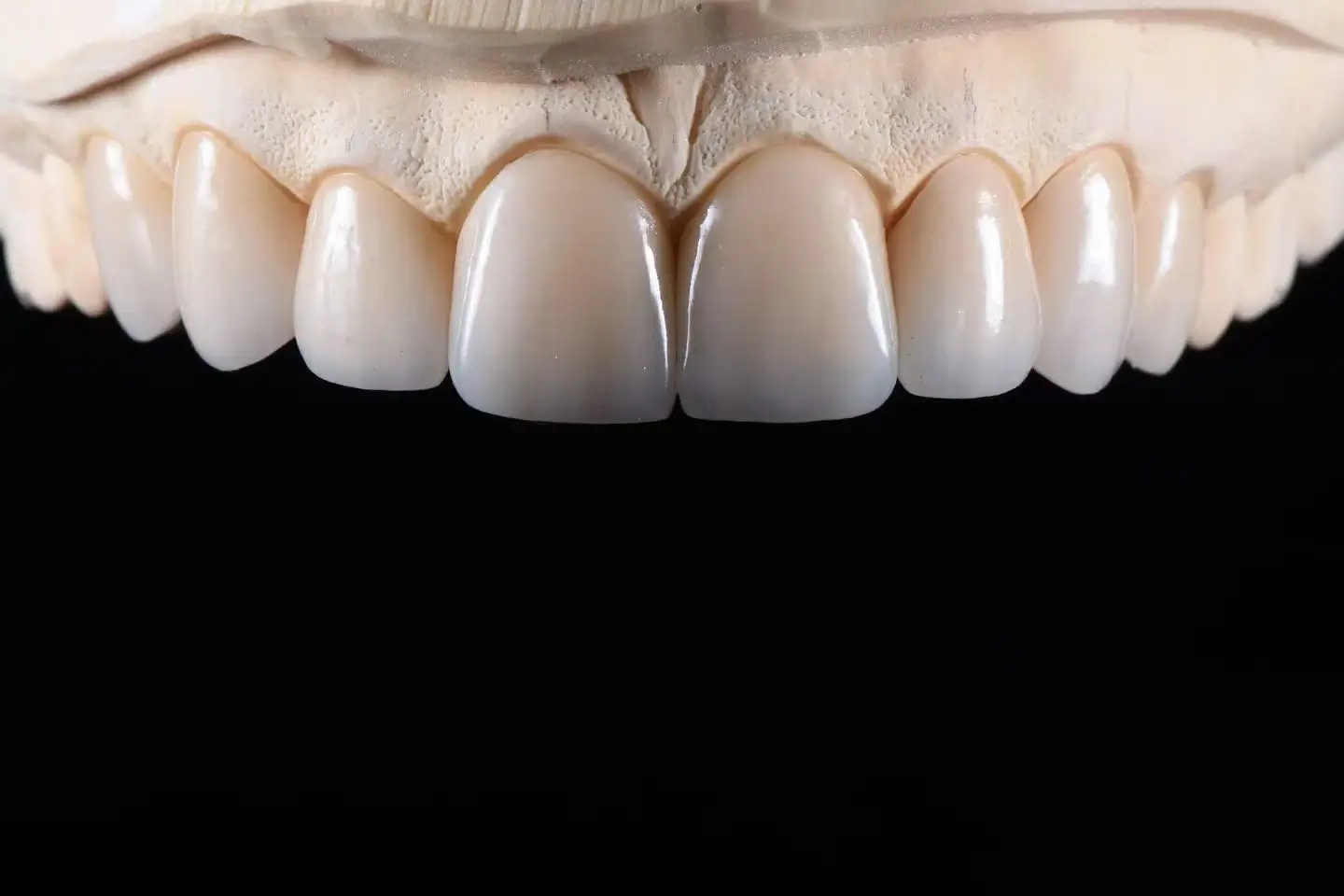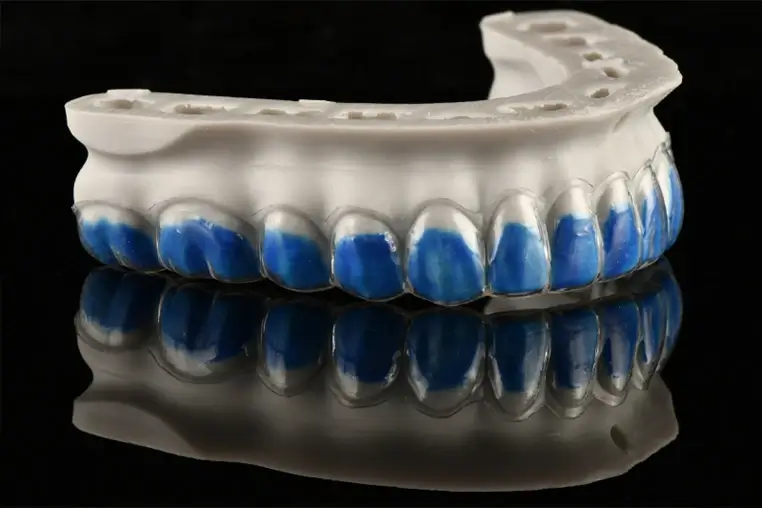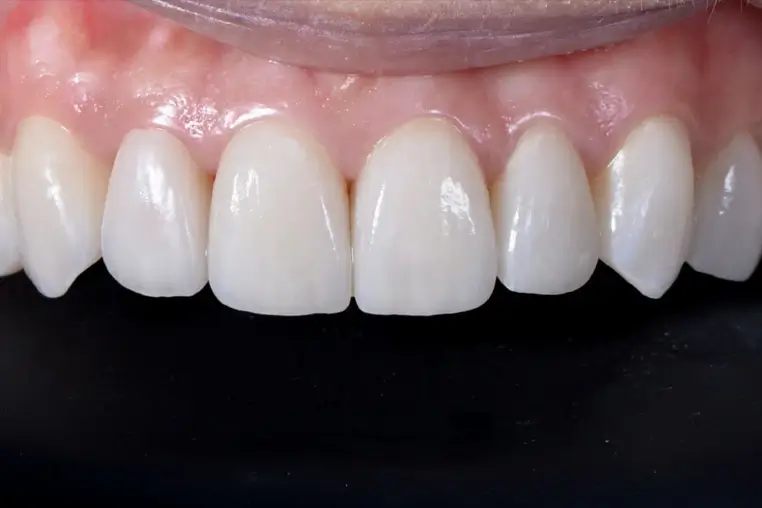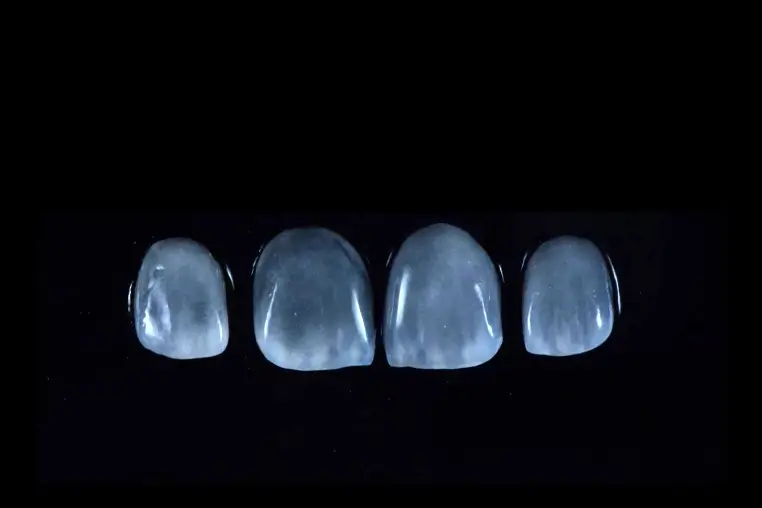
In complex full-arch restorative dentistry, the manufacturing and clinical execution of an implant fixed complete dental prosthesis represents the absolute pinnacle of digital laboratory diagnostics, structural engineering, and material science. Unlike simple single-unit crowns, cross-arch implant-supported hybrid restorations undergo extreme cyclic loading, geometric complexities, and unforgiving mechanical constraints. For downstream commercial dental laboratories and full-arch surgical centers outsourcing their production, mastering the principles of implant prostheses engineering is not an aesthetic goal—it is a mandatory structural necessity to ensure long-term clinical viability.
When an outsourced restoration exhibits even a microscopic dimensional discrepancy across its multi-unit implant interfaces, the resulting strain cannot be buffered by the surrounding anatomy. JoyDentalab operates not merely as an assembly vendor, but as an advanced digital engineering partner. By implementing a strict, multi-stage manufacturing verification protocol, we eliminate structural and geometric deviations before the restoration leaves our production floor. This technical analysis details the manufacturing mechanics, biological imperatives, and rigorous validation steps designed to safeguard your outsourced full-arch restorations.
The Failure Cascade of Misfitted Full-Arch Implant Frameworks
Understanding the necessity of a rigorous laboratory validation protocol requires analyzing the destructive chain of causality triggered when sub-nominal cross-arch frameworks exit a production floor.
- Inadequate Scan Verification / Thermal Distortion during Sintering: Micro-steps left by worn tools or incomplete thermal transformation alter the intended geometry.
- Microscopic Misfit at the Multi-Unit Abutment Interface: The cross-arch framework fails to seat flatly and simultaneously on all coping platforms.
- Constant Static Shear Stress on Implants & Screws: Tightening the retention screws introduces continuous mechanical strain without functional loading.
- Prosthetic Screw Loosening / Fracture: Cyclic masticatory force induces rapid material fatigue at localized stress points.
- Localized Alveolar Bone Resorption: Unphysiological stress concentration at the crestal bone triggers osteoclast activation, leading to total biological and mechanical failure.
1. The Biomechanical Consequences of Non-Passive Fit
Unlike natural teeth, which are suspended within the alveolar bone by the shock-absorbing periodontal ligament (PDL) allowing for micro-movements of 28 to 56 microns, osseointegrated dental implants are in direct structural contact with the bone (ankylosis), exhibiting a mobility limit of less than 5 microns. Consequently, if an outsourced full-arch framework exhibits a dimensional discrepancy as small as 30 microns across the arch, tightening the prosthetic screws generates immediate, continuous static shear stress throughout the entire system. This mechanical strain is transmitted directly down to the implant fixtures and surrounding cortical bone, bypassing any natural cushion.
2. The Micro-Gap Failure Loop
When a framework lacks a precise, passive fit, it rarely sits completely flat on all multi-unit abutments (MUAs). The resulting micro-gaps create a distinct mechanical and biological failure loop:
- Mechanical Degradation: Cyclic masticatory forces concentrate stress directly onto the unseated prosthetic screws. This induces rapid material fatigue, causing chronic screw loosening, micro-vibrations, and eventual screw fracture deep within the implant body.
- Biological Degradation: The microscopic gap at the interface serves as a sheltered reservoir for anaerobic peri-implant pathogens. The resulting micro-leakage triggers localized inflammatory responses, leading to progressive peri-implant mucositis and rapid peri-implantitis, which can ultimately cause total crestal bone loss and implant loss.
JoyDentalab Quality Protocols for Implant Prostheses Engineering
To prevent structural failure modes and protect our partner laboratories from costly remakes, JoyDentalab applies an advanced digital and analog verification pathway to every full-arch restoration.
THE FULL-ARCH MANUFACTURE PATHWAY
1.CAD Design & Verification –> 2. Precision 5-Axis Milling –> 3. Verification Model Verification
4. Microscopic Interface Audit –> 5. High-Gloss Tissue Polishing –> 6. Final Traceability Logging
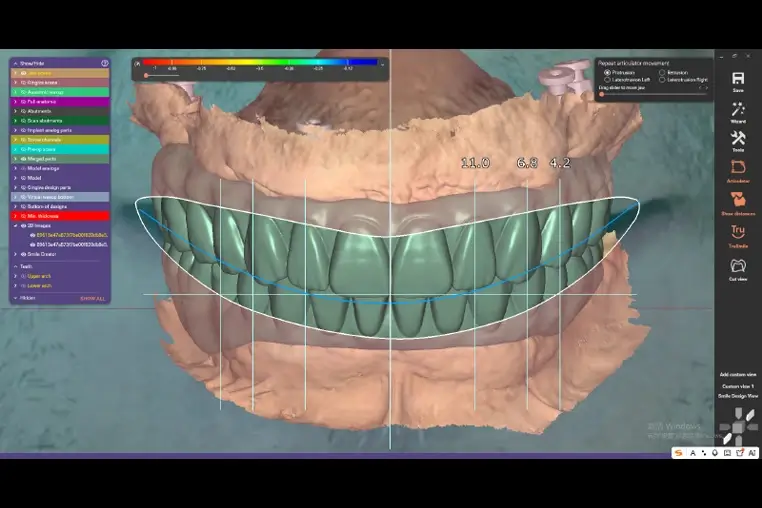
1. Advanced Digital Design Validation and Verification Model Setup
Every full-arch implant case begins with an extensive data audit. We carefully cross-check digital intraoral scan data (STL/PLY files) or desktop scans of master casts against the clinical bite registration. To guarantee absolute cross-arch precision, JoyDentalab requests or fabricates a verification model (jig) using low-shrinkage resin splinted with non-yielding components. Our specialized CAD team verifies that the design includes optimal emergency profiles, a minimum framework bar thickness of 4.0 mm for structural rigidity, and anatomical cutbacks that provide uniform support for final porcelain or composite layering.
2. High-Precision 5-Axis Subtractive Milling
For monolithic zirconia or titanium frameworks, we use high-end, temperature-controlled 5-axis dry and wet milling centers. To prevent micro-steps, margin roughness, and structural stress concentration, our CAD/CAM software tracks automated milling-bur wear cycles in real time, replacing carbi-coated tools long before they reach sub-nominal configurations. When milling high-translucency monolithic zirconia full-arch prostheses, we apply a proprietary multi-staged sintering curve over 16 hours, ensuring perfectly uniform thermal contraction across the entire arch span to completely eliminate micro-warping.

3. Verification Model Validation (The One-Screw Test)
Once the framework is sintered or milled, it is placed onto the non-yielding verification model. Our technicians execute the rigorous Sheffield Test (One-Screw Test): A single prosthetic screw is fully tightened into the most distal terminal cylinder. The opposite end of the full-arch framework is then evaluated under magnification to ensure zero vertical displacement or lifting occurs at the un-screwed interfaces. The framework must sit completely flat on all internal connections under independent single-point fixation to be cleared for the next processing stage.
4. Microscopic Interface and Margin Audit
The internal connections of the titanium bases or direct-milled implant interfaces are inspected under a high-power dental laboratory microscope at 20x magnification. Our quality control team ensures that the internal surfaces are free of microscopic burrs, flashing, or structural delamination. The seat must achieve a highly accurate connection with zero rotational play, keeping the global horizontal and vertical discrepancy under 20 microns.

5. Biological Tissue Profiling and Mechanical Polishing
The basal surface of the implant fixed complete dental prosthesis—the area in direct contact with the patient’s residual ridge mucosa—undergoes specialized mechanical finishing. Our technicians polish the gingival porcelain or pink monolithic zirconia to a flawless, mirror-like gloss finish, achieving a surface roughness of less than 0.2 microns. This ultra-smooth profile prevents plaque accumulation, minimizes bacterial adhesion, allows for easy cleaning via water flossing, and promotes healthy, inflammation-free soft tissue adaptation.
6. Final Digital Twin Scan and Traceability Logging
Before final packaging and clearance for global dispatch, the completed full-arch restoration is scanned with a high-resolution laboratory scanner to archive a permanent digital twin. We record all structural production metrics—including the material disc lot number, furnace thermal log charts, milling machine calibration records, and technician validations—into our quality management database. This ensures complete traceability and total manufacturing accountability for every case.

Engineered Logistics for Overseas Outsourcing
To protect these high-value full-arch cases from structural shock during international transport, JoyDentalab has built a dedicated B2B logistics pipeline:
- Shock-Isolating Packaging: Every implant fixed complete dental prosthesis is suspended within a custom-molded, high-density foam insert inside a rigid, dust-free enclosure to shield the long-span framework from mechanical shock and vibrational stress during air transit.
- Tier-1 Priority Air Freight: We route shipments exclusively through top-tier express carriers, including DHL Express, FedEx Priority, and UPS Worldwide Saver.
- Predictable Turnaround Times: We deliver completed cases to laboratories and clinics globally within 7 to 14 business days (including customs processing), keeping your clinical scheduling smooth and predictable.
Why Labs and Full-Arch Providers Partner with JoyDentalab
Managing full-arch implant fixed complete dental prostheses internally presents major challenges for mid-sized laboratories: specialized technical expertise is difficult to maintain, and a single fractured zirconia framework can erase an entire month’s profits. Outsourcing your digital files to JoyDentalab allows you to instantly scale your business by leveraging an elite manufacturing partner:
- Drastic Remake Reductions: Our strict multi-stage verification protocols keep our global remake rate below 1.5%, protecting your lab from expensive shipping and manufacturing overhead.
- Total Workflow Stability: By sending us your open STL/PLY files, you gain reliable, high-volume production capacity without the burden of expensive machinery maintenance or local technician shortages.
- Uncompromising Technical Expertise: Every full-arch department at JoyDentalab is managed by veteran dental engineers who understand clinical biology, material science, and precision CAD/CAM milling. We evaluate your digital designs to ensure long-term clinical success.
Technical FAQ Section
Q1: Why does JoyDentalab require verified physical or digital models during implant prostheses engineering workflows?
Intraoral digital scans can introduce minor rotational stitching errors across long, edentulous spans, which can compromise the passive fit of a final cross-arch framework. A physical verification model (jig) provides an uncompromising analog backup to confirm that the patient’s true implant positions match the digital data. Validating the framework on this model before final milling eliminates microscopic arch distortion and protects against costly remakes. Our rigid fixed dental prostheses quality control protocols ensure that no full-arch case proceeds to final milling without verifying this step first.
Q2: What are the structural benefits of monolithic zirconia when executing advanced implant prostheses engineering?
Traditional titanium bars wrapped in acrylic resin teeth are prone to wear, delamination, and acrylic teeth snapping off under heavy masticatory loads. In contrast, multi-layer monolithic zirconia provides exceptional flexural strength (typically exceeding 1000 MPa) along with beautiful, lifelike esthetics. It eliminates the risk of chip-off failures, offers superior biocompatibility for soft tissue health, and completely prevents fluid absorption and odor issues over time.
Q3: How does your laboratory manage the sintering shrinkage of massive full-arch zirconia frameworks to maintain fixed dental prostheses quality control?
A full-arch zirconia framework shrinks by roughly 20% to 25% during final sintering. To prevent any dimensional warping across the arch, our nesting engineers design a custom, structural stabilizing sinter-support frame (shrinkage bar) around the prosthesis. This support ring remains attached throughout the entire 16-hour computer-controlled heating and cooling cycle, ensuring the restoration shrinks evenly along all X, Y, and Z axes to maintain an accurate passive fit and ensure absolute fixed dental prostheses quality control.
References and Peer-Reviewed Trust Literature
- Passive Fit and Biomechanical Strain: The Journal of Prosthetic Dentistry. “Evaluation of the marginal fit and passive fit of multi-unit implant-supported fixed complete dental prostheses manufactured via CAD/CAM protocols.” https://www.thejpd.org/article/S0022-3913(15)00342-X/fulltext
- Zirconia Fatigue and Phase Transformation: International Journal of Prosthodontics. “Low-temperature degradation and aging mechanisms of high-translucency monolithic zirconia full-arch restorations under cyclic masticatory loading.” https://www.ncbi.nlm.nih.gov/pubmed/24340921
- Implant Complications and Micro-gaps: American Dental Association (ADA) Center for Scientific Research. “Biological and mechanical complications associated with micro-gaps and non-passive fit at the implant-prosthetic interface.” https://www.ada.org/en/science-research
- Digital Dentistry Frameworks: Wikipedia: Digital Dentistry & CAD/CAM Dentistry. Manufacturing workflows, subtractive milling accuracy metrics, and open STL data verification architectures in modern prosthodontic medicine. https://en.wikipedia.org/wiki/Computer-aided_design_and_computer-aided_manufacturing_in_dentistry