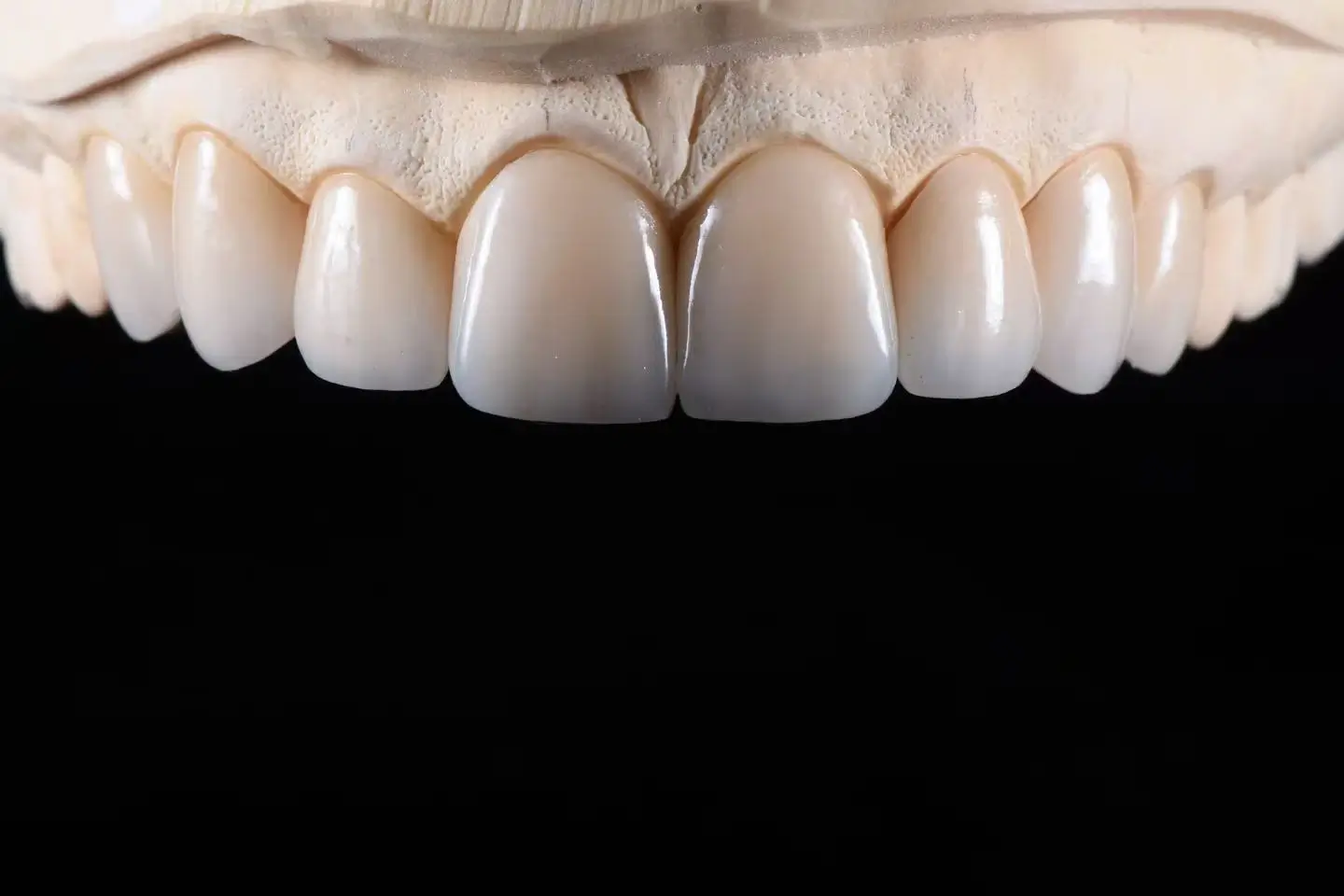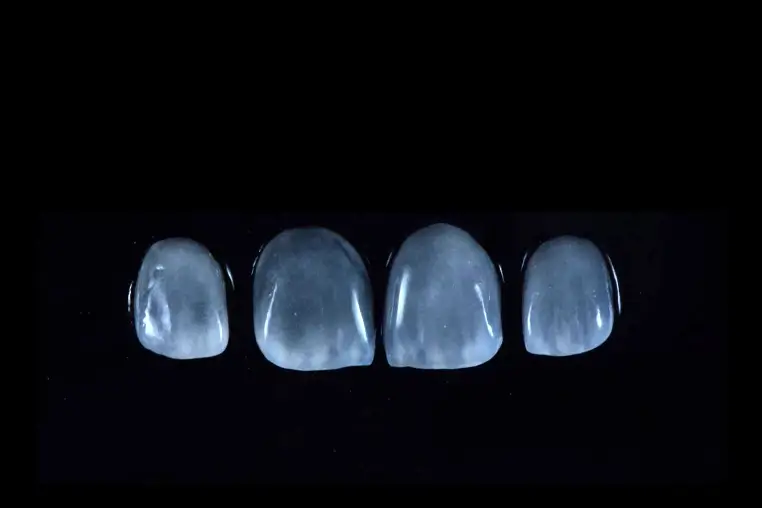
Ceramic fixed dental prostheses have become one of the most important restorative solutions in modern dentistry. With the rapid development of digital CAD/CAM technology, dental clinics and laboratories now expect restorations that combine esthetics, precision, durability, and long-term biological compatibility.
Today, ceramic restorations are widely used for:
Single crowns
Fixed bridges
Implant-supported restorations
Full-arch prostheses
All-on-4 and All-on-6 cases
At JoyDentalab, we provide ceramic fixed dental prostheses manufacturing services for dental laboratories and dental clinics worldwide. Through digital workflows, high-precision milling, and strict quality control, we help our partners deliver restorations with predictable fit, natural esthetics, and long-term clinical performance.
This article explains how ceramic fixed dental prostheses are manufactured and why precision digital workflows are essential for restorative success.

What Are Ceramic Fixed Dental Prostheses?
Ceramic fixed dental prostheses are permanent restorations fabricated from ceramic-based materials and fixed onto natural teeth or dental implants.
Unlike removable dentures, fixed prostheses remain securely in place and are designed to restore:
Function
Occlusion
Esthetics
Speech
Patient confidence
Modern ceramic fixed restorations commonly include:
Ceramic Crowns
Used to restore damaged or weakened teeth while preserving natural tooth structure.
Ceramic Bridges
Replace one or more missing teeth by connecting adjacent abutment teeth or implants.
Implant-Supported Ceramic Prostheses
Used for single implants, implant bridges, and full-arch restorations.
Full-Arch Ceramic Restorations
Advanced implant-supported prostheses designed for edentulous patients.
The most commonly used materials include:
- Zirconia
- Multilayer zirconia
- Lithium disilicate
- Layered porcelain systems
These materials provide high aesthetics, biocompatibility, and excellent mechanical strength.
Why Ceramic Fixed Dental Prostheses Are Preferred
Ceramic restorations have become increasingly popular because they provide significant advantages over traditional metal-based restorations.
Natural Esthetics
Modern zirconia and ceramic materials closely mimic natural tooth translucency and anatomy.
This allows restorations to achieve:
- Natural color integration
- Improved smile esthetics
- Better light transmission
- More lifelike appearance
For anterior restorations, esthetics are often one of the most important clinical requirements.
Metal-Free Biocompatibility
Ceramic restorations are highly biocompatible and generally well tolerated by surrounding soft tissues.
Benefits include:
- Reduced gingival irritation
- Improved tissue response
- Better long-term esthetics
- No metal exposure at the margin
High Strength and Durability
Modern zirconia materials provide excellent fracture resistance for both crown and bridge restorations.
High-quality ceramic prostheses can withstand long-term functional loading while maintaining esthetics and structural stability.
The Manufacturing Process of Ceramic Fixed Dental Prostheses
The quality of a ceramic fixed dental prosthesis depends heavily on manufacturing precision.
Modern digital workflows allow dental laboratories to achieve higher consistency, improved marginal fit, and more predictable restorative outcomes.
At JoyDentalab, our ceramic fixed dental prostheses manufacturing workflow includes several critical stages.
Step 1 — Digital Impression or STL File Intake
The workflow begins with digital data acquisition.
- Intraoral scans
- STL files
- Model scans
- Implant scan body data
Our technicians review the incoming files to verify:
- Margin clarity
- Preparation quality
- Occlusal space
- Implant positioning
- Scan completeness
Accurate scan data is essential because every subsequent manufacturing step depends on digital precision.
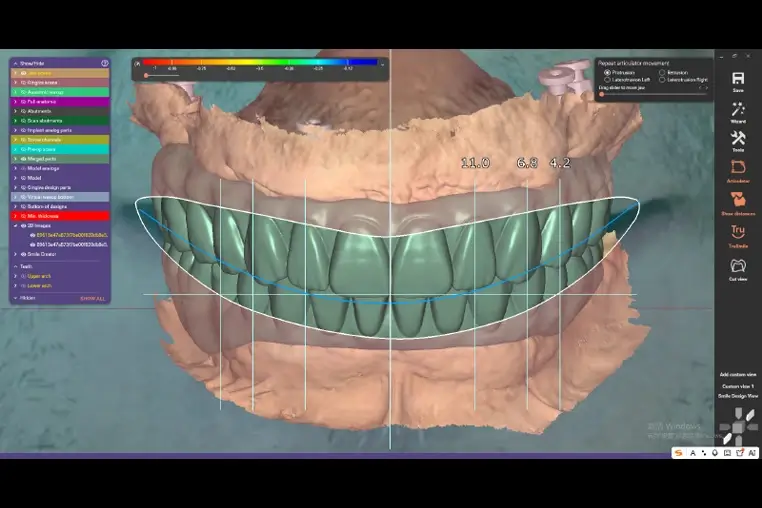
Step 2 — CAD Design
Once the digital files are approved, the restoration is designed using CAD software.
During this stage, technicians define:
- Margin lines
- Emergence profile
- Contact points
- Occlusal anatomy
- Prosthetic contours
Precise CAD design helps reduce:
- Open margins
- Occlusal interference
- Remake cases
- Clinical adjustment time
For implant-supported restorations, passive fit and prosthetic stability are especially important.
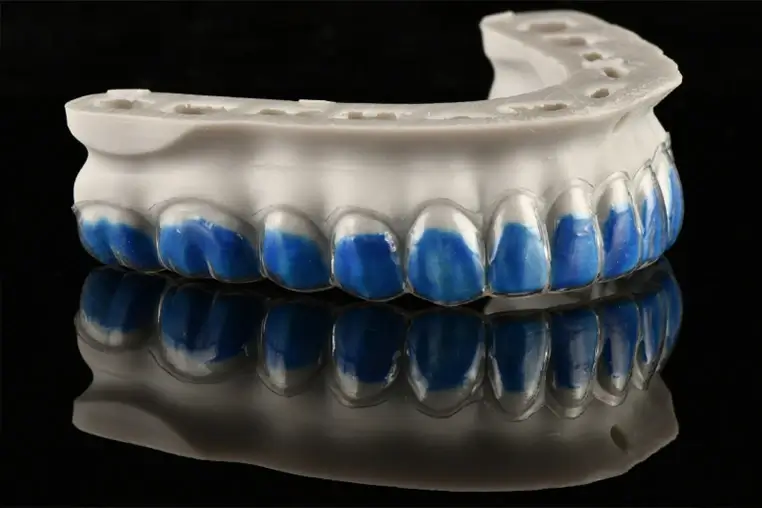
Step 3 — High-Precision Ceramic Milling
After design approval, the restoration enters the milling stage.
High-precision 5-axis milling systems are used to manufacture zirconia and ceramic restorations with accurate detail reproduction.
This stage is critical because poor milling accuracy may lead to:
- Marginal discrepancies
- Poor contact points
- Occlusal imbalance
- Increased risk of secondary caries
At JoyDentalab, we use digital milling workflows designed to improve restoration accuracy and consistency for dental laboratories and clinics.
Step 4 — Sintering Process
Zirconia restorations require controlled sintering after milling.
During sintering:
- Material density increases
- Final strength develops
- Shrinkage compensation occurs
Precise temperature control is essential because improper sintering may affect:
- Restoration fit
- Strength
- Esthetics
- Long-term stability
Controlled zirconia sintering is one of the most important factors in ceramic prosthesis manufacturing.
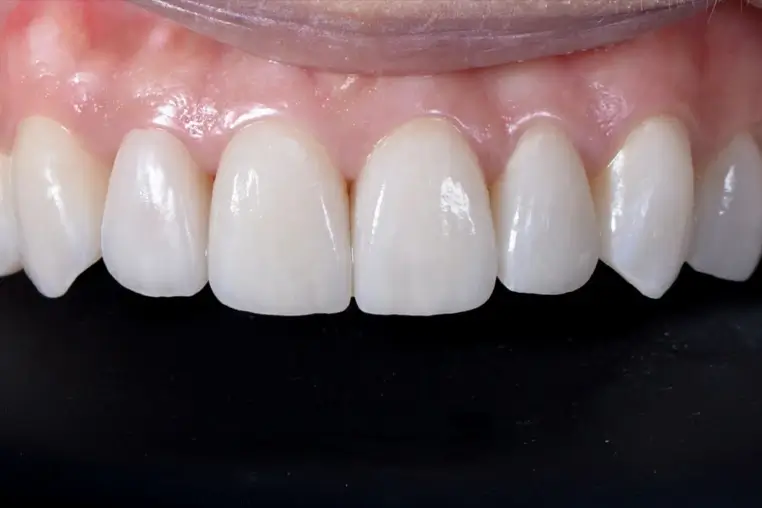
Step 5 — Coloring, Characterization, and Glazing
After sintering, restorations undergo esthetic finishing procedures.
These may include:
- Staining
- Layering
- Glazing
- Surface texture characterization
This stage allows technicians to reproduce:
- Natural translucency
- Anatomical details
- Individual shade characteristics
- Realistic surface texture
High-end ceramic restorations require both technical precision and artistic experience.
Step 6 — Quality Control and Final Verification
Before shipment, every ceramic fixed prosthesis undergoes quality inspection.
Our verification process includes:
- Marginal fit inspection
- Occlusal verification
- Contact point evaluation
- Surface inspection
- Implant interface verification
At JoyDentalab, multi-stage quality control helps reduce remakes and improve long-term clinical predictability.
Why Manufacturing Accuracy Matters in Ceramic Prostheses
Manufacturing precision directly affects the long-term success of ceramic restorations.
Poor manufacturing may lead to:
- Open margins
- Bacterial leakage
- Secondary caries
- Gingival inflammation
- Crown loosening
- Implant complications
For implant-supported prostheses, an inaccurate fit may also create mechanical stress and prosthetic instability.
This is why modern digital CAD/CAM workflows are essential in fixed prosthodontics.
For dental laboratories and clinics, restoration accuracy affects:
- Clinical outcomes
- Patient satisfaction
- Remake rates
- Chairside efficiency
- Long-term restorative stability
Digital CAD/CAM vs Traditional Manufacturing
| Feature | Digital CAD/CAM Workflow | Traditional Manual Workflow |
|---|---|---|
| Accuracy | High precision | Variable consistency |
| Marginal Fit | More predictable | Higher risk of discrepancies |
| Turnaround Time | Faster digital workflow | Longer manual process |
| Consistency | Stable repeatability | Technique dependent |
| Implant Accuracy | Improved passive fit | More adjustment required |
| Remake Rate | Lower | Higher |
As digital dentistry continues to evolve, CAD/CAM ceramic prosthesis manufacturing has become the industry standard for advanced restorative cases.
Why Dental Clinics and Laboratories Outsource Ceramic Prosthesis Manufacturing
Many dental clinics and laboratories outsource ceramic fixed dental prostheses manufacturing to specialized digital laboratories.
Benefits include:
- Access to advanced CAD/CAM systems
- Experienced ceramic technicians
- Improved production capacity
- Consistent restoration quality
- Faster turnaround times
- Reduced operational pressure
For complex implant and esthetic cases, outsourcing to a digital dental laboratory often improves both efficiency and restorative outcomes.
Why Dental Clinics and Laboratories Choose JoyDentalab
JoyDentalab supports global dental laboratories and clinics with ceramic fixed dental prostheses manufacturing services focused on digital precision and long-term restorative reliability.
We provide:
- High-translucency zirconia restorations
- Implant-supported prostheses
- Full-arch ceramic restorations
- CAD/CAM digital workflows
- Multi-stage quality control
- Internationally certified materials
- Experienced dental technicians
Our goal is to help partners reduce remakes, improve restoration fit, and deliver predictable clinical results.
Conclusion
Ceramic fixed dental prostheses manufacturing is no longer based solely on manual craftsmanship. Modern restorative success depends on digital precision, CAD/CAM accuracy, controlled zirconia processing, and strict quality verification.
For dental laboratories and clinics, manufacturing accuracy directly affects:
- Marginal fit
- Long-term durability
- Implant stability
- Patient satisfaction
- Biological success
At JoyDentalab, we believe that precision manufacturing is one of the foundations of high-quality ceramic fixed prostheses.
FAQs About Ceramic Fixed Dental Prostheses Manufacturing
What are ceramic fixed dental prostheses?
Ceramic fixed dental prostheses are permanent restorations fabricated from ceramic materials such as zirconia or lithium disilicate and fixed onto teeth or implants.
What materials are commonly used in ceramic prostheses?
The most common materials include zirconia, multilayer zirconia, lithium disilicate, and layered porcelain systems.
Why is CAD/CAM important in ceramic prosthesis manufacturing?
CAD/CAM workflows improve restoration precision, marginal fit, consistency, and manufacturing efficiency.
Are ceramic fixed prostheses durable?
Yes. Modern zirconia and ceramic materials provide excellent long-term strength and esthetics when manufactured accurately.
Why is marginal fit important in ceramic restoration
Accurate marginal fit helps reduce bacterial leakage, secondary caries, gingival irritation, and long-term restorative complications.
References
- Wikipedia – Dental Crown
https://en.wikipedia.org/wiki/Crown_(dentistry) - Wikipedia – Dental Prosthesis
https://en.wikipedia.org/wiki/Prosthesis - American Dental Association
https://www.ada.org/ - National Library of Medicine
https://pubmed.ncbi.nlm.nih.gov/ - Journal of Prosthetic Dentistry
https://www.thejpd.org/ - International Journal of Prosthodontics
https://www.quintpub.com/journals/ijp/